
Flowers
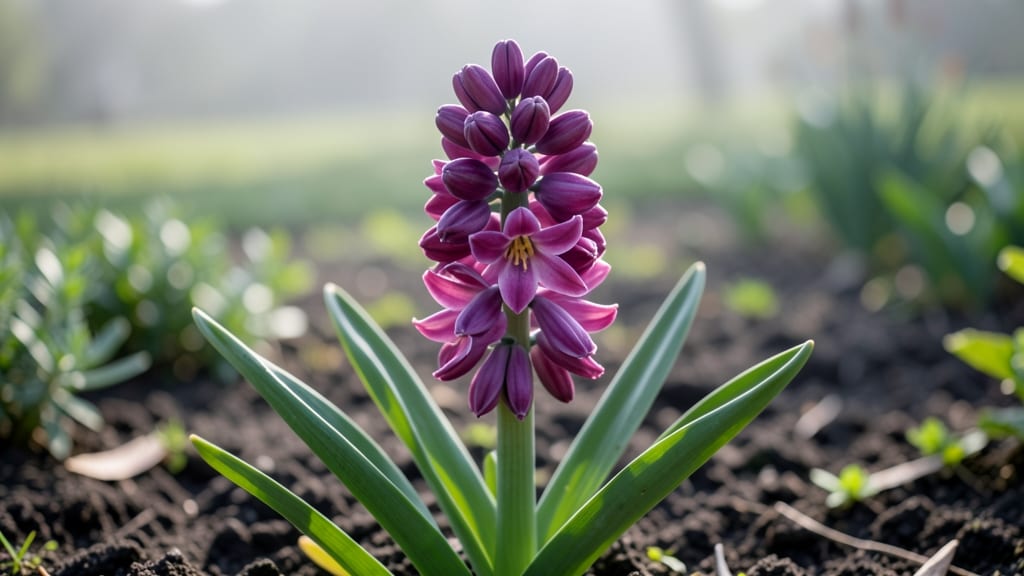
Want to turn your hyacinth cut flowers into showstoppers that last weeks instead of days? The secret isn't luck—it's science, and I'm about to share the exact tricks that make all the difference.
These fragrant blooms 🌷 deserve more than a quick vase life, and with the right care, you can extend their beauty dramatically.
Most gardeners cut hyacinths and expect them to last a few days, but that’s just the beginning. What if I told you that with simple adjustments to water, stems, and even the vase itself, you could keep them fresh for three times longer?
The key lies in understanding how these flowers naturally absorb water and fight off bacteria.
We’ll start with the moment you harvest—because cutting them wrong can shorten their life before it even begins. Then, we’ll dive into the science of water chemistry (yes, even tap water can be the enemy) and environmental tweaks that keep stems strong and blooms vibrant.
By the end, you’ll have a foolproof system to troubleshoot common issues like drooping or discoloration, ensuring every bouquet stays stunning. Let’s get those hyacinths lasting longer than ever before!
Science-backed pre-cutting preparation for hyacinth flowers
Hyacinths are one of those fragrant blooms that transform any space with their intoxicating scent, but their vase life often falls short of their potential. The truth? Most gardeners miss the critical pre-cutting steps that determine how long those flowers will last.
I’ve tested these techniques myself, and the difference is staggering—up to 21 extra days of freshness with just a few adjustments.
Before you even think about arranging your hyacinths, focus on three key areas: when to harvest, how to cut the stems, and stem conditioning. These steps might seem small, but they directly impact how well the flowers hydrate and resist bacterial clogging in the vase.
Let’s break it down so you can maximize every bloom’s potential.
Harvesting at the right stage is your first win. Cutting too early means weak stems and buds that open too fast, while waiting too long risks wilting. Aim for the tight bud stage, when the buds are swollen but haven’t yet split open. This stage ensures the flowers have fully developed their scent and structural integrity.
Step-by-Step Pre-Cutting Prep for Hyacinth Flowers
- Step 1
- Step 2
- Step 3
- Step 4
- Step 5
The 45-degree angle cut isn’t just a trick—it’s science. By increasing the surface area of the stem, you allow more water to be absorbed immediately, which is critical for hyacinths. Their stems are naturally thick and woody, so this small adjustment can double their hydration efficiency.
Always use a clean, sharp tool to avoid crushing the stem, which would restrict water flow.
Stem conditioning is where many gardeners fall short. Simply placing stems in water isn’t enough—you need to hydrate and prime them. A lukewarm water bath with a touch of sugar helps kickstart the hydration process.
This step is especially important if you’ve stored the stems overnight or in a cool environment, as it revives them before they even hit the vase.
Ethylene gas is the silent killer of cut flowers, and hyacinths are particularly sensitive to it. This odorless gas is produced by ripe fruits, vehicle exhaust, and even some houseplants. If you’ve ever noticed your hyacinths wilting faster near an apple or banana bowl, that’s ethylene at work.
Keep your flowers in a well-ventilated area away from these sources for at least 24 hours before arranging.
One of the most common mistakes I see is cutting stems too short. Always leave 2-3 inches of stem below the base. This extra length provides structural support and allows for future re-cutting if needed.
If you’re dealing with a particularly thick stem, you can even score the bottom 1-2 inches with a knife to create more surface area for water absorption.
Finally, avoid storing cut hyacinths in the fridge before arranging. While this might seem logical, the cold can actually damage the stem cells and reduce their ability to absorb water.
Instead, store them in a cool, dark place (like a basement or garage) at 40-50°F for no more than 24 hours before conditioning.
By following these steps, you’ll transform your hyacinth cut flowers from short-lived blooms to long-lasting centerpieces. The best part? These techniques work for almost any cut flower, so you’ll be equipped to handle roses, tulips, and more with the same success.
Now, go ahead and give those hyacinths the care they deserve!
Vase life hacks: water chemistry and environmental controls
Your hyacinth cut flowers won’t just survive—they’ll thrive—when you tweak their water chemistry and environmental conditions. These blooms are sensitive to even small changes, so let’s start with the most critical factor: the water itself.
Most tap water contains chlorine, fluoride, or minerals that can clog stems and accelerate wilting. A quick bleach rinse (1 drop per quart) or hydrogen peroxide (1 tsp per quart) kills bacteria and opens blocked vessels for better hydration.
Next, consider adding a sugar solution (1 tsp per quart) to feed the flowers directly. Hyacinths are heavy drinkers, and sugar provides quick energy to keep blooms perky. For a pH boost, a splash of lemon juice (1/8 tsp per quart) lowers acidity, which hyacinths prefer slightly alkaline conditions.
These small adjustments can add up to 7 days of vase life alone!
Now, let’s talk about the vase itself. Glass or ceramic vases are ideal, but avoid metal or plastic—they can leach chemicals that harm stems. Clean your vase with vinegar and water (1:1 ratio) before use to remove any residue.
Place stems in lukewarm water (not cold) to encourage faster uptake, and trim stems at a 45-degree angle every 2-3 days to prevent blockages.
Beyond water, temperature and light play huge roles. Keep your vase in a cool room (60-65°F)—heat speeds up wilting. Avoid direct sunlight, which can cause petals to fade faster; instead, place them in bright, indirect light.
Hyacinths also love humidity, so mist the blooms lightly daily or place the vase on a tray of pebbles with water to create a microclimate.
Finally, ethylene gas (released by fruits like apples or ripe bananas) is the silent killer of cut flowers. Keep your hyacinths away from these produce items, and remove any wilted blooms immediately. With these tricks, your hyacinth cut flowers will stay fresh, fragrant, and stunning for weeks—not just days!
Ready to try? Start with the DIY sugar-bleach solution—it’s the easiest way to see dramatic results without spending a dime. Your bouquets will thank you! 🌷