
Flowers
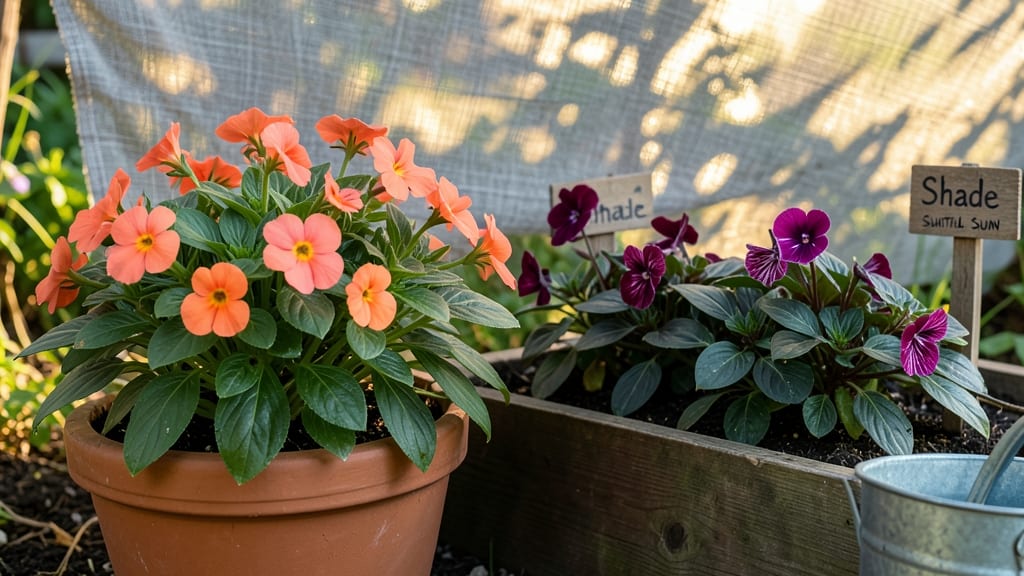
If your 🌸 impatiens flowers struggle in the sun or shade, you might be getting their light needs all wrong. These shade-loving stars actually need a delicate balance—too much sun scorches them, while too little leaves them leggy and sparse.
The good news? With the right approach, you can coax nonstop color from your plants, whether you're working with containers or garden beds.
Most gardeners assume impatiens can handle full shade, but the truth is more nuanced. Classic impatiens varieties prefer 4-6 hours of morning sun with afternoon shade, while New Guinea types can tolerate slightly more light.
Getting this balance right is the key to those showstopping blooms you've been dreaming of—no guesswork required.
I've tested different light setups over the years, and what works for one impatiens might fail for another. The secret lies in understanding how to adjust their environment based on your climate and growing conditions.
Let me walk you through exactly how to set them up for success, from choosing the perfect spot to troubleshooting common light-related problems.
Ready to transform your impatiens from lackluster to lush? We'll cover everything from soil prep to seasonal adjustments so you can enjoy months of continuous blooms—no matter where you live in zone 6a or beyond. Let's get those flowers popping!
 Best Window Placement
How much sun or shade impatiens need for maximum blooms
If you’ve ever planted impatiens expecting a nonstop floral display but ended up with sparse blooms, the culprit is likely light exposure.
These shade-loving beauties are famously picky about sunlight, and getting their light needs wrong can mean the difference between a lush, blooming bush and a leggy, underwhelming specimen.
The key lies in understanding the two main impatiens varieties—classic impatiens and New Guinea impatiens—and their unique sunlight tolerances.
Most gardeners assume impatiens thrive in full shade, but the truth is more nuanced. While they avoid harsh afternoon sun, they still need some direct light to trigger blooming. The misconception that they’re "shade-only" plants often leads to weak growth and fewer flowers.
Let’s break down exactly how much sun or shade your impatiens need—and how to spot when they’re unhappy.
Comparison Table: Classic vs. New Guinea Impatiens Light Needs
Classic impatiens (Impatiens walleriana) are the shade champions of the garden, thriving with just 4-6 hours of morning sunlight. This variety is what most gardeners picture when they think of impatiens in hanging baskets or shady borders.
However, they’ll still produce more blooms if given a few hours of direct light, especially in the cooler morning hours. Afternoon sun can scorch their delicate leaves, so protect them with dappled shade or a light fabric cover if needed.
New Guinea impatiens (Impatiens hawkeri), on the other hand, are sun-tolerant superstars. They can handle up to 10 hours of light, making them ideal for bright, indirect spots like east-facing windows or underneath trees.
These varieties often flaunt larger, more vibrant blooms when given more light, but they still avoid harsh midday rays. Think of them as the goldilocks of impatiens—not too much, not too little, but just right.
One of the biggest light-related mistakes I see is assuming all impatiens are the same. Plopping a New Guinea impatiens in a deep shade spot will result in leggy, sparse plants with fewer flowers, while a classic impatiens in too much sun will wilts and burn.
Always check the variety before planting, and observe your plants for signs of stress. If your impatiens are stretching toward light or dropping buds, it’s time to adjust their spot.
For container gardeners, light needs can shift dramatically depending on your setup.
A hanging basket in a south-facing patio might need afternoon shade, while one in a north-facing yard could benefit from a reflective surface (like a white wall or mirror) to bounce extra light onto the plants. Rotate containers occasionally to ensure even growth and prevent lopsided plants.
If your impatiens are leaning toward one side, they’re searching for light—time to reposition them.
Spotting light stress in impatiens is easier than you think. Over-exposure often shows up as yellowing leaves, crispy edges, or bleached patches, while under-exposure leads to long, weak stems (called etiolation) and fewer blooms.
If your plants look more foliage than flower, they’re likely not getting enough light. Conversely, if the leaves look sunburned or are curling, they’re getting too much direct sun.
The goal is a compact, bushy plant with a steady stream of blooms—not a tower of green or a fried mess.
Pro tip: If you’re unsure about your garden’s light conditions, use a light meter
5 Signs your impatiens aren’t getting the right light (and how to fix it)
Your impatiens flowers might be sending you SOS signals if they're not getting the perfect balance of sun or shade. Too much direct light can scorch delicate foliage, while too little leaves them stretching awkwardly toward any available light source.
I've seen both scenarios in my own garden, and the difference between a thriving plant and a struggling one often comes down to just a few tweaks in their environment.
Even experienced gardeners sometimes misjudge impatiens' light needs. These shade-loving beauties prefer bright indirect light rather than harsh afternoon sun, but they won't thrive in deep, dark corners either. The key is finding that sweet spot where they get enough light to bloom abundantly without getting stressed.
Let's explore the most common signs your impatiens are struggling with their light conditions.
⚠️ Light Stress Warning!
Impatiens are sun-sensitive plants that need 4-6 hours of morning sun maximum. Here's what happens when you get it wrong:
- Too much sun: Bleached, crispy leaves (like sunburn)
- Too little sun: Leggy stems with sparse blooms
- Wrong timing: Wilting in afternoon heat
Quick fix: Move plants to east-facing windows or under 50% shade cloth if leaves show brown spots within 2 weeks.
One of the first signs your impatiens need more light is when they start developing long, spindly stems with leaves spaced far apart. This "legginess" occurs when plants stretch toward any available light source, often resulting from being placed in too-shady spots.
I noticed this in my patio containers last summer when I moved them under a large oak tree for afternoon shade - they looked great at first, but within weeks, the stems were reaching awkwardly upward.
On the opposite end, over-exposure to sunlight reveals itself through bleached or crispy leaf edges that look like they've been sunburned. You might also see leaves curling or developing brown patches, especially on the sides facing direct afternoon sun.
This was my wake-up call when I tried placing my impatiens in a south-facing bed - within days, the leaves were showing these telltale signs of too much light.
Another clear indicator is when your impatiens produce far fewer flowers than expected or when the blooms are smaller than usual. These plants are famous for their continuous flowering, but they need proper light to maintain this performance.
I've found that plants in low-light conditions often focus their energy on leaf growth rather than flower production, resulting in that disappointing sparse bloom look.
If you notice yellowing leaves at the base of your impatiens, this could indicate either too much light causing stress or poor drainage from improper watering in hot conditions. The key is to check both the light exposure and your watering habits - sometimes these symptoms appear together.
I recommend moving the plant to a morning sun spot with afternoon shade while ensuring the soil stays consistently moist but not soggy.
For quick fixes, try these adjustments: relocate your impatiens to a spot with dappled sunlight, prune leggy stems to encourage bushier growth, or install a light-colored shade cloth (30-50% coverage) if they're getting too much direct sun.
I've had great success with a simple DIY shade solution using cheesecloth stretched over a frame - it diffuses the light perfectly while still allowing plenty of brightness for healthy growth. With these adjustments, you should see improvement within 2-3 weeks!