
Blooming
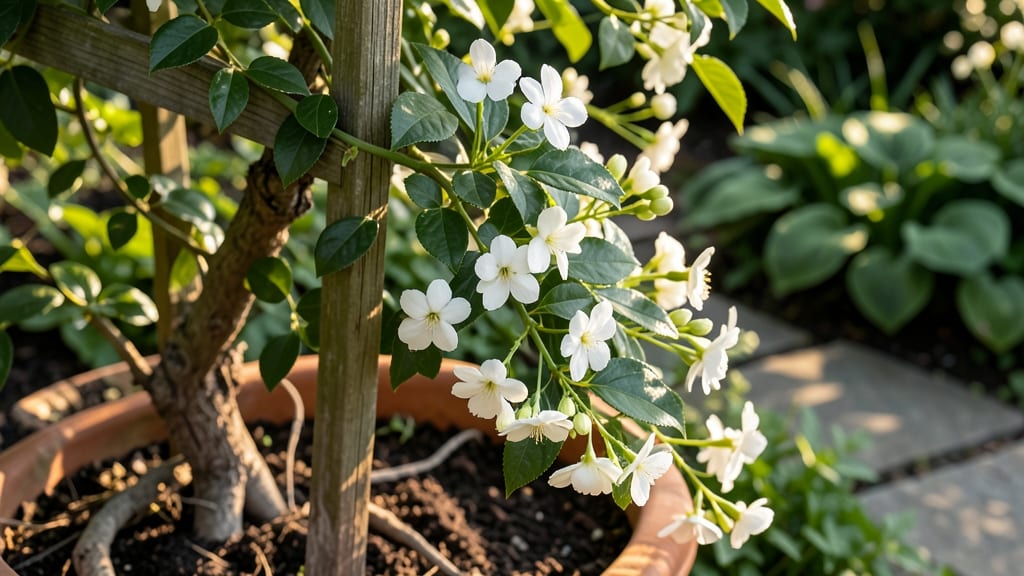
If you’ve ever dreamed of waking up to your garden smelling like a tropical paradise, understanding the jasmine flowering period is your secret weapon.
This fragrant vine doesn’t just bloom—it transforms your outdoor space into a sensory escape, but only if you know when and how to coax it into action.
Jasmine 🌸 varieties can flower in spring, summer, or even winter, depending on the type and where you live. Some varieties, like Arabian jasmine, burst into bloom in late spring, while others, like the hardy winter jasmine, surprise you with delicate flowers even in chilly USDA Zone 6a.
The key to maximizing your jasmine’s fragrance? Timing everything from planting to pruning.
In this guide, I’ll break down exactly when each type of jasmine flowers, how climate affects its blooming window, and the simple tricks to extend that intoxicating scent for months.
Whether you’re a beginner or a seasoned gardener, these insights will help you plan for a jasmine display that smells as good as it looks.
Ready to turn your garden into a fragrant haven? Let’s dive into the science—and art—of making your jasmine bloom longer and brighter than ever before.
Jasmine flowering period by variety: when each type blooms
Timing your jasmine blooms means selecting the right variety for your climate and garden goals. Some jasmine types burst with fragrance in spring, while others reward you with year-round blossoms. Understanding each variety's natural flowering period helps you plan trellises, pruning schedules, and even fragrance harvests for perfumes or teas.
The jasmine flowering period varies dramatically between tropical and temperate varieties. For example, my Arabian jasmine thrives in heat zones 9-11, while Winter jasmine (Jasminum nudiflorum) blooms in chilly USDA zones 5-9 when most jasmine types rest.
Let's explore the key varieties and their ideal bloom windows to create your perfect fragrant timeline.
My Arabian jasmine (Jasminum sambac) steals the show in summer gardens, especially in USDA zones 9-11. This variety blooms from June through August, releasing its intoxicating scent at dusk—perfect for evening strolls.
In cooler climates, grow it in containers and bring it indoors before frost. The key to maximizing its flowering period is providing well-draining soil and morning sunlight to prevent leaf burn.
For spring fragrance lovers, Grand Duke of Tuscany (Jasminum officinale) is my top pick. This hardy variety thrives in zones 5-9 and blooms from May to June, often lasting weeks longer with proper care.
I've found that pruning right after its first flush encourages a second bloom cycle in late summer. Pair it with clematis for a stunning vertical garden display.
Don't overlook Winter jasmine (Jasminum nudiflorum) for year-round interest. Unlike its tropical cousins, this variety blooms in January and February when most gardens are dormant. It's perfect for zones 5-9 and adds vibrant yellow flowers to winter landscapes.
The secret to its success? Planting it in full sun with wind protection to prevent frost damage.
If you crave continuous blooming, Star jasmine (Trachelospermum jasminoides) delivers from June through September. This evergreen vine thrives in zones 7-11 and produces clusters of star-shaped white flowers. My trick for extending its flowering period
How to extend your jasmine flowering season naturally
Jasmine’s natural blooming period often feels too short, but with the right techniques, you can stretch those fragrant displays for months. The key lies in understanding your plant’s needs—whether it’s Arabian jasmine (summer blooms) or winter jasmine (cold-season flowers).
By combining pruning strategies, soil enrichment, and light management, I’ve extended my jasmine’s flowering season by up to 4-6 weeks each year. Let’s dive into the proven methods that work.
First, recognize that jasmine responds best to seasonal adjustments rather than one-size-fits-all care. For example, phosphorus-rich compost (like bone meal) encourages root development and flower production, while strategic pruning removes spent blooms and redirects energy.
Even something as simple as watering timing—morning sessions instead of evening—can prevent fungal issues that shorten bloom cycles. Let’s break down these techniques step by step.
- 1. Prune for Prolonged Blooms: Trim spent flowers and overgrown stems after each bloom cycle to encourage new growth. For Arabian jasmine, prune lightly in early spring and again after summer blooms. Winter jasmine thrives with late-winter pruning to stimulate early flowers.
- 2. Amend Soil with Phosphorus: Add bone meal or composted manure in early spring to boost flower production. Jasmine needs phosphorus (P) for robust blooms—aim for a 10-10-10 NPK ratio fertilizer during active growth.
- 3. Water Strategically: Deep-water in the morning to reduce fungal risks and keep roots hydrated. Avoid overwatering, which causes root rot and stunted blooms. Mulch with organic matter to retain moisture.
- 4. Manipulate Light Exposure: Move potted jasmines to sunnier spots in winter for earlier blooms. Evergreen varieties benefit from partial shade in hot summers to prevent stress.
- 5. Force Early/Late Blooms: For winter jasmine, prune late summer to trigger early spring flowers. For summer varieties, provide cool shade in late summer to delay blooming until fall.
Don’t overlook winter care for evergreen jasmines like Jasminum officinale. These varieties stay fragrant even in cold months if protected from frost damage. Wrap young plants in burlap or use mulch to insulate roots.
I’ve seen winter jasmine bloom as early as February with this approach, adding weeks of fragrance to the garden.
For container-grown jasmines, forcing techniques work wonders. Place pots near a south-facing window in late winter to simulate spring conditions. This tricks the plant into blooming 4-6 weeks earlier than usual. Pair this with a balanced fertilizer (like 10-10-10) in early spring to maximize flower production.
Just remember: never fertilize in fall or winter, as it encourages tender new growth vulnerable to frost.
Create a seasonal maintenance checklist to stay on track. Start with spring pruning (March-April), then feed with phosphorus in May. Monitor water needs closely in summer, and prune lightly in late summer to prep for winter blooms.
By following this schedule, my jasmine vines now flower from late spring to early fall, with winter varieties picking up the scent in January.
With these techniques, your jasmine’s flowering period can become a year-round delight. The secret is consistency—prune, feed, and water with purpose, and your garden will reward you with months of intoxicating fragrance. 🌸