
Diseases
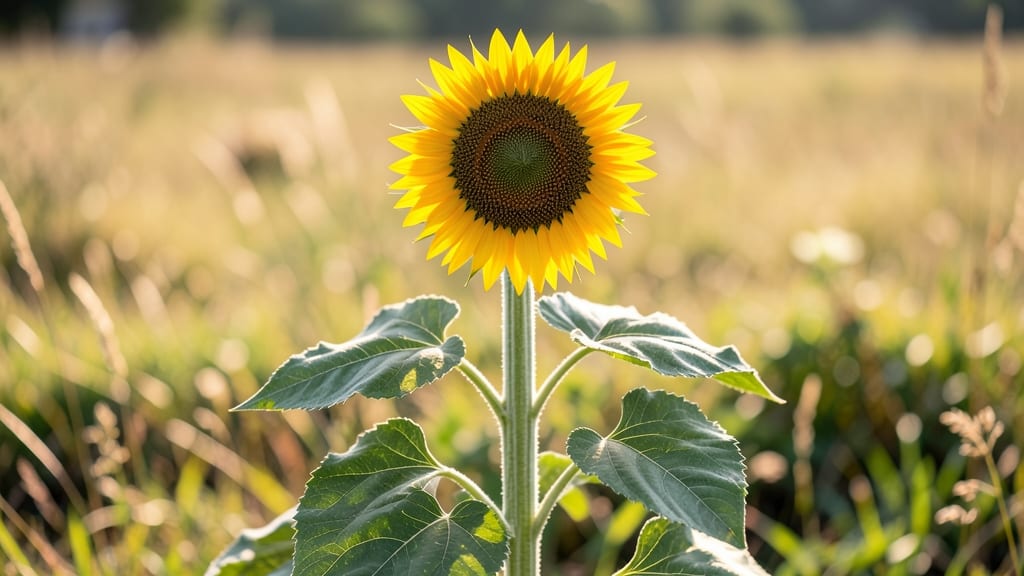
If your sunflower 🌻 is sporting large, vibrant leaves one day but yellowing patches the next, don’t panic—this is your plant’s way of talking to you.
Those lush green leaves are a sign of health, but when they start fading, it’s often a clear warning about what’s missing or going wrong in their care.
Whether you’re a seasoned gardener or just starting your sunflower journey in Zone 6a, understanding the root causes of yellowing leaves is the first step to bringing back that vibrant green.
From overwatering to nutrient deficiencies, I’ll break down the most common issues and show you exactly how to fix them—so your sunflowers can keep thriving from April all the way through September.
You’ll learn how to diagnose the problem fast, adjust your care routine, and even prevent future issues before they start. No more guessing games—just actionable tips to keep those leaves healthy and your sunflowers reaching their full potential. Let’s get those leaves back to their best!
The key is in the details—soaking up the right amount of sunlight, feeding the soil just right, and keeping an eye out for pests. With the right approach, your sunflowers will reward you with those massive, lush leaves you planted them for in the first place.
Ready to turn things around?
Why are your sunflower leaves turning yellow? 7 Common causes
Sunflowers are one of nature’s most dramatic plants, with those large, vibrant leaves serving as a powerhouse for growth. But when those leaves start turning yellow, it’s your plant’s way of signaling distress.
The good news? Most yellowing issues are fixable with the right diagnosis. Let’s explore the 7 most common causes and how to spot them in your sunflowers.
Yellowing leaves can appear in different patterns—some start at the edges, others spread from the center, or even show up as streaks. Each pattern tells a different story about what’s wrong.
By learning to recognize these visual clues, you can quickly identify the problem and take action before it’s too late. Let’s dive into the specifics so you can get your sunflowers back to their healthy, green glory.
Overwatering
Yellowing leaves with soft, mushy spots and potential wilting indicate overwatering. Roots suffocate when soil stays soggy, preventing nutrient uptake.
Nitrogen Deficiency
Pale yellow leaves, especially on older leaves, signal nitrogen deficiency. Sunflowers need this nutrient for leaf growth and vibrant color.
Underwatering
Yellowing leaves with crispy edges and dry soil indicate thirsty roots. Sunflowers need consistent moisture, especially during hot summer months.
Pest Infestation
Yellowing with chewed holes or sticky residue (aphids) means pests are feasting on your leaves. Common culprits include spider mites and beetles.
Fungal Diseases
Yellow spots with black or brown edges and powdery growth suggest fungal infections like powdery mildew or rust.
Poor Drainage
Yellowing leaves with root rot symptoms (bad smell, slimy roots) mean your soil isn’t draining properly. Sunflowers hate soggy feet!
Environmental Stress
Sudden yellowing after extreme heat or cold snaps is often stress-related. Sunflowers thrive in full sun (6-8 hours) but can’t handle sudden changes.
Now that you know the visual red flags to watch for, let’s tackle each cause individually. For example, if your sunflowers are showing yellowing with mushy leaves, the issue is almost certainly overwatering.
But if the yellowing starts with crispy edges, it’s time to check your watering schedule. Each of these problems has a specific solution, and knowing the difference saves time and effort.
One of the most common mistakes I see is assuming all yellowing is due to overwatering. But in reality, underwatering is just as likely, especially during the hot summer months when sunflowers are growing rapidly.
Pay attention to the soil—it should be moist but not soggy. Stick your finger about an inch deep; if it feels dry, it’s time to water.
Pests like aphids or spider mites can also cause yellowing, but they often leave behind other clues. Look for tiny webs, holes in the leaves, or a sticky residue called honeydew.
If you spot these, act fast with neem oil or insecticidal soap to protect your plants. Early intervention is key to preventing further damage.
Fungal diseases, like powdery mildew, often appear as yellow spots with a fuzzy coating. These thrive in humid conditions, so improving air
Step-by-step fixes for yellow sunflower leaves by root cause
Yellowing sunflower leaves can feel like a mystery, but the good news is that most issues have clear, actionable solutions. The first step is identifying the specific cause—whether it’s overwatering, nutrient deficiency, or pest damage.
Each problem requires a different approach, so let’s tackle them one by one to get those leaves back to their vibrant green.
If your sunflowers are planted in Zone 6a like mine, you know how quickly conditions can change. Too much rain in June or a sudden heatwave in July can throw off even the hardiest plants.
The key is acting fast—once you spot yellowing, check the soil moisture, leaf texture, and surrounding environment to narrow down the issue.
⚠️ Urgent Warning for Large Sunflower Leaves
If yellowing appears suddenly with crispy edges, your sunflowers may be suffering from overwatering or fungal infection. Act immediately by:
- Stop watering for 3-5 days to dry the soil
- Remove affected leaves with sterilized shears
- Apply neem oil or copper fungicide to prevent spread
🌱 Note: Yellowing near the base of leaves often signals root rot—transplant if soil is waterlogged.
For nutrient deficiencies, the fix is straightforward: amend your soil with a balanced fertilizer like 10-10-10. Sunflowers thrive with regular feeding every 4-6 weeks during their growing season (May through August).
Look for pale yellow leaves with green veins—this classic sign means your plants need more nitrogen. Mix 1 tablespoon of fertilizer into the top inch of soil around each plant, water deeply, and watch for new growth within 7-10 days.
If pests like aphids or spider mites are the culprit, you’ll notice sticky residue or tiny webs on the undersides of leaves. Combat them with a soapy water spray (1 tsp mild dish soap per gallon of water) or introduce beneficial insects like ladybugs.
For severe infestations, use pyrethrin-based insecticide in the early evening to protect pollinators. Always check leaves weekly during peak growing months to catch issues early.
Environmental stressors like poor drainage or inconsistent sunlight can also cause yellowing. Ensure your sunflowers get 6-8 hours of direct sunlight daily—move them to a sunnier spot if needed. If your soil is clay-heavy, mix in compost or perlite to improve drainage.
Mulch around the base with straw or wood chips to retain moisture and regulate soil temperature, which reduces stress on the roots.
Finally, don’t overlook the importance of pruning. Remove any yellow or damaged leaves to redirect the plant’s energy to new growth. For sunflowers, focus on trimming only the lower leaves to maintain airflow and prevent disease.
This simple step can make a world of difference in restoring leaf health and encouraging those large, lush leaves you’re aiming for.