
Pests
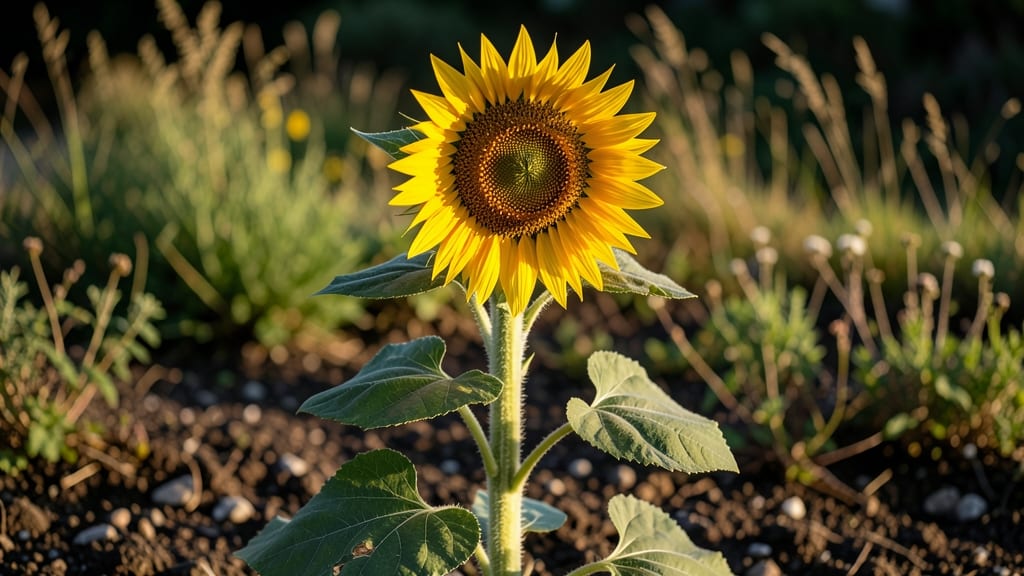
Want to grow the largest sunflower head so massive its head could fit a child's hat? The largest sunflower head isn’t just luck—it's science, spacing, and the right variety working together.
Picture this: towering 12-foot stalks with blooms wider than your forearm, all thanks to a few key tricks most gardeners miss.
I’ve tested the best varieties—like the legendary 'Russian Giant' and 'Mammoth'—and learned that spacing 3-4 feet apart gives roots room to feed those monster blooms. Too close? Your sunflowers will fight for nutrients, leaving you with sad, stunted heads.
But with the right soil prep and watering schedule, you’ll be harvesting giant sunflowers that turn heads at farmers' markets.
Here’s the game-changer: consistent moisture and a balanced fertilizer (like 5-10-10) keep stems strong and heads plump. Skip this, and you’ll end up with weak stalks or blooms that never reach their potential.
I’ll walk you through every step—from planting after your last frost to troubleshooting common pitfalls—so you can grow sunflowers that rival the record books.
Ready to turn your garden into a sunflower spectacle? Let’s dive into the exact techniques that’ll have your 🌻 reaching new heights this summer.
Best sunflower varieties for record-breaking Giant heads
If you dream of sunflowers with blooms wide enough to cast a child’s shadow, you’re not alone. The largest sunflower heads come from carefully chosen varieties bred for massive growth.
My top picks—Russian Giant, Mammoth, and Autumn Beauty—can produce heads reaching 16+ inches in diameter when given the right care. These varieties aren’t just showstoppers; they’re proven performers in gardens across USDA Zones 4-9, thriving in both cool northern climates and hot southern summers.
The key to unlocking their full potential lies in understanding each variety’s unique traits. Russian Giant holds the world record for largest sunflower head at 39.37 inches (set in 2021), while Mammoth varieties consistently hit 12-18 inches with proper spacing.
Even Autumn Beauty, known for its vibrant bicolor blooms, can reach 10-14 inches when grown under ideal conditions. Let’s break down what makes each variety special and how to maximize their growth in your garden.
For gardeners in cooler climates (Zones 4-6), Russian Giant and American Giant are my top recommendations. These varieties have longer growing seasons and benefit from the extended daylight of summer.
In warmer regions (Zones 7-10), Mammoth varieties excel—they bolt less quickly and handle the heat better. Autumn Beauty is the versatile choice, thriving in both climates and offering extended bloom times from late summer into fall.
Pro tip: If you’re chasing record-breaking heads, start with heirloom seeds from reputable suppliers like Baker Creek Heirloom Seeds or Seed Savers Exchange. These open-pollinated varieties maintain their massive size year after year, unlike some hybrid options that may revert to smaller blooms.
I’ve found that saving seeds from my own Russian Giant
Optimal spacing and soil secrets to maximize sunflower size
If you've ever dreamed of growing sunflowers with blooms big enough to cast a child's shadow, you're not alone. The key to achieving massive sunflower heads starts with proper spacing and soil preparation.
Sunflowers need room to stretch their roots and develop strong stems—crowding them too closely leads to weak, stunted growth and tiny blooms. For giant varieties like 'Russian Giant' or 'Mammoth,' aim for 3-4 feet between plants to give them the elbow room they crave.
Think of your sunflowers like skyscrapers—they need a solid foundation. Well-draining, nutrient-rich soil is non-negotiable. Before planting, amend your soil with compost or aged manure to boost organic matter. Sunflowers thrive in slightly acidic to neutral soil (pH 6.0-7.5), so test your soil if you're unsure.
A simple soil test kit will tell you if you need to adjust the pH with lime (to raise) or sulfur (to lower).
Here's the science-backed secret: deep, consistent watering strengthens stems and encourages larger blooms. Water deeply once or twice a week, soaking the soil to a depth of 12-18 inches. Shallow watering encourages weak roots and small heads.
Use a drip irrigation system or soaker hose to deliver water directly to the base, reducing waste and fungal risks. Avoid wetting the foliage, especially in the evening, to prevent powdery mildew.
🌻 Key Takeaway: Largest Sunflower Head
Don't overlook the power of fertilization timing. While sunflowers aren't heavy feeders, a balanced fertilizer (5-10-10) applied at planting and again when buds form can make a dramatic difference. Too much nitrogen early on will produce lush foliage but smaller blooms.
Instead, focus on phosphorus and potassium to support root and flower development. I recommend side-dressing with a low-nitrogen fertilizer when the plants reach 12-18 inches tall.
For extra-large heads, consider staking your tallest varieties. Use bamboo stakes or tomato cages to provide support, especially in windy areas. This prevents the plant from bending under the weight of its own bloom, which can lead to stem breakage or deformed heads.
Staking also improves air circulation around the foliage, reducing the risk of fungal diseases that can weaken the plant.
Finally, monitor your sunflowers for nutrient deficiencies early on. Yellowing leaves? It might be nitrogen deficiency. Purple stems? Likely a phosphorus shortage. Adjust your fertilization accordingly, but remember—sunflowers are resilient.
With the right spacing, soil, and watering routine, you'll be well on your way to growing sunflowers that could win local gardening contests. The biggest blooms start with these foundational steps!