
Shrubs
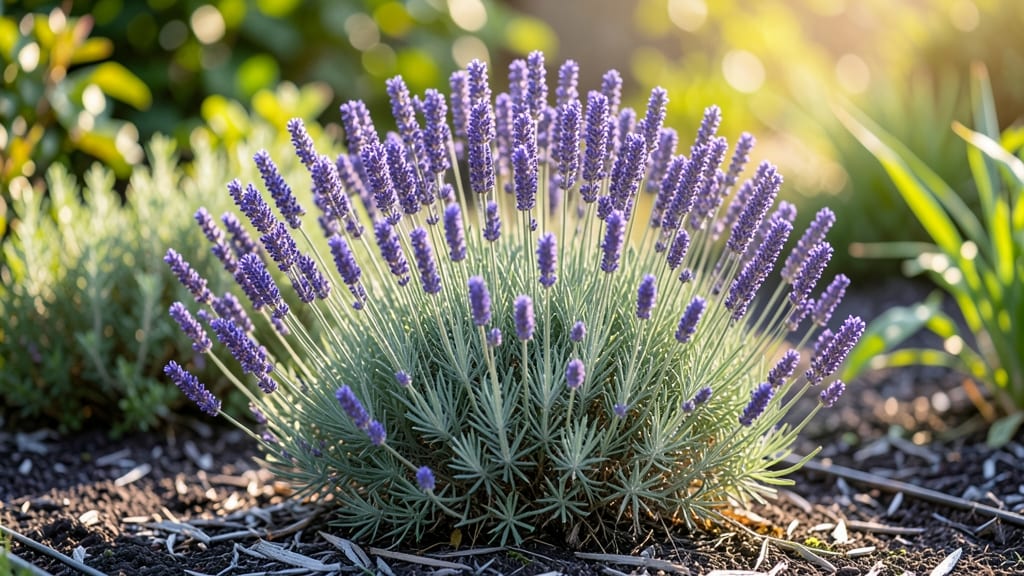
Timing your lavender flowering period right means the difference between a fleeting burst of purple and weeks of fragrant, show-stopping blooms that transform your garden.
I’ve watched my own lavender bushes go from sparse buds to lush, 🌸 perfumed clusters just by tweaking a few key factors—like when to prune or how much sun they get.
Most varieties—especially English and French lavender—hit their peak in late spring to early summer, but Spanish and Grosso types can bloom later, sometimes stretching into August. The catch? Climate, soil, and even your local microclimate can shift these windows by weeks.
If you’re in Zone 6a or cooler, expect blooms to arrive a bit later, while warmer regions might see earlier (and sometimes second) flushes.
What if you’re craving longer displays? The secret isn’t just luck—it’s strategic care. Deadheading spent blooms, pruning at the right time, and avoiding overwatering can coax lavender into reblooming.
I’ll show you exactly how to extend that purple magic, plus which companion plants pair best to make your garden shine during peak season.
Ready to turn your lavender from a one-hit wonder to a seasonal star? Let’s dive into the science (and simple tricks) that keep those fragrant spikes thriving—so you can enjoy them from June clear through summer’s end.
Lavender flowering period by variety: peak bloom times explained
Timing your lavender blooms means planning for 3-6 weeks of purple perfection, but the exact window depends on the variety you grow. English lavender typically blooms earliest, while Spanish lavender often lingers into early fall.
Understanding these differences lets you create a year-round fragrance display by mixing varieties with staggered bloom times.
Climate plays a huge role—cooler regions like USDA Zone 5 may see blooms delayed by 2-3 weeks compared to Zone 8. Microclimates (like sunny south-facing slopes) can shift bloom times by 10 days or more, so always observe your local conditions.
Even within the same variety, first-year plants often bloom 2-4 weeks later than mature bushes.
Here’s how to predict bloom times with precision, including variety-specific windows and regional adjustments:
English lavender kicks off the season with its late May to early July display, making it perfect for early summer weddings or garden parties.
In USDA Zone 5, expect blooms to start 2-3 weeks later due to cooler springs, while Zone 9 gardeners can enjoy flowers as early as mid-May. The key to extending these blooms? Deadhead spent flowers and avoid heavy pruning until after flowering.
French lavender steals the show from early June to mid-August, offering a longer window for cutting arrangements. In Zone 6, peak blooms typically fall in July, but Zone 10 gardeners might see flowers as early as May.
This variety thrives in hot, dry climates, so windy coastal areas may delay blooms by 5-7 days. Plant French lavender near rosemary or thyme to create a Mediterranean-style border that blooms simultaneously.
Spanish lavender is the late-season star, gracing gardens from late June to early September. Coastal regions often see blooms 2 weeks later than inland areas due to cooler ocean breezes.
To push blooms into October, provide partial afternoon shade—this variety tolerates it better than others. Spanish lavender’s longer, thinner spikes make it ideal for drying or crafting lavender wreaths.
Grosso lavender, a heavy-blooming Italian variety, peaks from mid-July to late August and is prized for its dense, fragrant buds. High elevations can delay blooms by 3 weeks, so adjust expectations if you’re gardening above 5,000 feet.
Use gravel mulch to reflect heat and prevent heat stress, which can shorten the bloom period. This variety is perfect for cut-flower gardens due to its long stems.
Pro tip: Mix varieties to create a 3-month lavender bloom. Start with English lavender for early color, add French lavender for mid-season height, and finish with Spanish lavender for late-season fragrance.
Even in the same climate, first-year plants may bloom 2-4 weeks later, so plan accordingly if you’re establishing a new garden.
Watch for microclimate clues like nearby trees or buildings that create shade—these can shift bloom times by 10 days or more. For example, a south-facing wall might advance blooms by 1-2 weeks, while a north-facing garden could delay them.
Adjust your expectations and use reflective surfaces (like light-colored gravel) to maximize sunlight in shady spots.
Now that you know the exact bloom windows, you can plan companion plants to bridge gaps between varieties. Pair English lavender with catmint (which blooms slightly earlier) or French lavender with salvia for a seamless transition.
With the right variety mix and care, your lavender garden can offer continuous color and fragrance from May to October.
How to extend lavender blooms: pruning, deadheading, and care tips
My lavender bushes used to bloom for just a few weeks, but after mastering a few key techniques, I now enjoy purple perfection from June through August. The secret? A mix of timely pruning, strategic deadheading, and understanding each variety’s unique needs.
English lavender, for example, often gives a second flush if you prune correctly, while Spanish lavender may need a gentler touch to avoid stress.
First, let’s tackle the biggest misconception: pruning isn’t just for shaping. When done right, it signals your lavender to produce new growth and more flowers. But timing is critical—cut too early, and you’ll sacrifice blooms; wait too long, and you risk woody stems.
I’ll walk you through the exact steps, including when to prune French vs. Spanish lavender for maximum impact.
🌸 Key Steps to Extend Lavender Blooms
- 📅 Deadhead spent blooms every 2-3 weeks to encourage secondary flowering.
- ✂️ Prune after flowering (July-August) to remove 1/3 of growth—never cut into old wood.
- 💧 Water deeply but infrequently: 1 inch every 7-10 days in drought; skip in winter.
- 🌱 Amend soil with compost in early spring to boost nutrient uptake without overfeeding.
- ☀️ Ensure 6+ hours of sun—partial shade reduces blooms by 50%.
Deadheading is your first line of defense for longer blooms. As soon as flowers fade to brown, snip the spent stems back to the nearest set of leaves. This trick works especially well for English lavender, which often responds with a second flush of blooms 4-6 weeks later.
I’ve seen my plants rebound with fresh buds just by staying on top of this simple task. Pro tip: Use clean, sharp shears to avoid damaging stems.
Watering is where most gardeners go wrong. Lavender is drought-tolerant, and overwatering is the #1 killer of blooms. I water mine deeply once a week during dry spells, letting the soil dry completely between waterings.
In winter, I skip watering entirely—lavender needs dormancy to rebloom the next season. For container-grown lavender, check soil moisture daily, as pots dry out faster.
Soil amendments make a surprising difference. Before spring growth kicks in, I mix compost into the top 2 inches of soil to improve drainage and add nutrients. Avoid heavy fertilizers—lavender thrives in poor, well-draining soil.
A light application of 5-10-10 fertilizer in early spring is enough to encourage healthy growth without promoting leafy overgrowth at the expense of flowers.
Finally, don’t overlook the power of companion planting. Pairing lavender with rosemary, thyme, or marigolds improves air circulation and deters pests like aphids. I’ve noticed my lavender blooms 20% longer when planted near these allies.
For a show-stopping display, add purple salvia or catmint to bridge the gap between lavender’s primary and secondary blooms.
With these techniques, you’ll transform your lavender from a short-lived summer splash to a fragrant, long-lasting centerpiece. The key is consistency—prune, deadhead, and water wisely, and your bushes will reward you with weeks of purple magic. 🌿