
Blooming
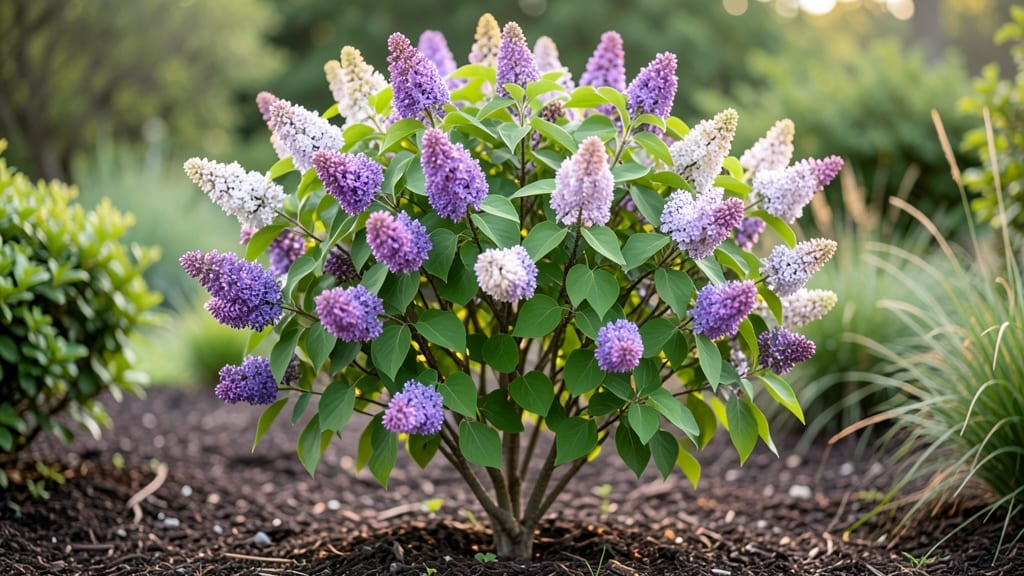
There's nothing like that first whiff of lilacs in the air—a fragrant signal that the flowering time of lilacs has truly begun. But if you've ever wondered why your 🌸 blooms seem to arrive earlier or later than your neighbor's, the answer lies in your USDA hardiness zone.
Lilac flowering time isn't one-size-fits-all; it shifts dramatically depending on where you live, with some regions seeing blooms as early as April and others waiting until May.
The key to timing your garden visits for peak fragrance starts with understanding your local climate. In Zone 6, where lilacs thrive, blooms typically appear in late April to early May, but colder zones like 3-5 can expect them a few weeks later.
Meanwhile, warmer zones (7-9) often see earlier blooms, sometimes stretching into late March. Knowing these patterns helps you plan everything from pruning to companion planting for the most stunning displays.
What if your lilacs aren't following the schedule? The issue might be simpler than you think—pruning at the wrong time, poor soil, or even a lack of sunlight can delay blooms. But don't worry: with the right care, you can encourage longer, more abundant flowering.
I'll walk you through the exact steps to maximize your lilacs' potential, so you're never left waiting for that signature scent to fill your garden.
Whether you're a seasoned gardener or just starting, this guide will help you predict, extend, and even troubleshoot lilac flowering time. Let's dive into the science behind those fragrant clusters and how you can make the most of your 🌸 season—no matter where you live.
Lilac flowering time by USDA hardiness Zone: month-by-month breakdown
Lilacs (Syringa spp.) are iconic spring shrubs, but their blooming windows vary dramatically across USDA hardiness zones 3-9. Understanding these differences helps you plan garden visits, pruning, and companion plantings for stunning displays. Climate, altitude, and microclimates all shift bloom times—sometimes by weeks!
In Zone 6 (the classic lilac zone), most varieties burst into bloom between mid-April and early May.
But move to Zone 3, and you might see flowers as early as late May, while Zone 9 gardeners often enjoy lilacs in February or March. Early bloomers like 'Sensation' or 'President Lincoln' may flower 2-3 weeks ahead of late varieties like 'Katherine Havemeyer' or 'Charles Joly.'
Regional variations matter too. Pacific Northwest lilacs often bloom 2-4 weeks later than their Midwest counterparts due to cooler springs. Meanwhile, Southern gardeners in Zone 8-9 may experience two bloom cycles—once in winter and again in spring—thanks to milder winters.
If you live in Zone 4-6, plan your lilac pruning for late June to early July—after blooms fade but before new growth hardens.
This timing ensures you don’t cut off next year’s flower buds, which form on old wood for most varieties. Zone 7-9 gardeners have more flexibility but should still prune 3-4 weeks after blooming to avoid sacrificing spring flowers.
For repeat blooming, choose varieties like 'Bloomerang' lilacs, which produce two flushes of flowers per season. These work best in Zones 5-9 and bloom
How to extend lilac blooming season with pruning and care
Lilacs (Syringa spp.) are famous for their fragrant blooms, but many gardeners struggle to get their shrubs to flower abundantly or for an extended period. The key lies in strategic pruning, fertilizing, and watering techniques that encourage healthy growth and repeat flowering.
With the right care, you can transform a single burst of blooms into a prolonged display that fills your garden with scent and color.
Most lilacs bloom just once a season, but with proper deadheading and pruning timing, you can coax them into producing a second flush of flowers later in the summer. The secret starts with understanding when and how to prune—cutting at the wrong time can actually reduce next year's blooms.
Let's break down the essential steps to maximize your lilac's flowering potential.
- Step 1: Prune Immediately After Blooming
Cut back spent blooms to the first set of leaves below the flower cluster. This encourages new growth that will produce next year's flowers. - Step 2: Apply Balanced Fertilizer in Early Spring
Use a 10-10-10 NPK fertilizer (½ cup per plant) after pruning but before new leaves emerge to fuel growth. - Step 3: Deadhead Regularly for Repeat Blooms
Remove faded flowers by cutting the stem just above a leaf node to prompt a second round of blooms in late summer. - Step 4: Water Deeply Once a Week
Provide 2 gallons of water per shrub in the morning to maintain consistent moisture without waterlogging. - Step 5: Mulch to Retain Moisture
Spread 2-3 inches of mulch around the base (avoid touching the trunk) to conserve water and regulate soil temperature. - Step 6: Light Pruning in Late Summer
Trim any overgrown branches to improve airflow, but avoid heavy pruning—this can reduce next year's blooms.
One common mistake is pruning lilacs in the fall or winter, which removes next year's flower buds. Always wait until after blooming to prune, and avoid cutting into old wood—this can weaken the shrub.
For established lilacs, a light rejuvenation pruning every 3-5 years can restore vigor and encourage more abundant blooms.
If your lilacs struggle to rebloom, check their sunlight exposure—most varieties need 6+ hours of full sun daily. Partial shade can reduce flowering. Pair these care tips with well-draining soil, and you'll enjoy lilacs in bloom from late spring through early summer, with a bonus flush in fall.
For dwarf varieties, follow the same steps but reduce fertilizer amounts by half to avoid overstimulating growth. And remember: lilacs are drought-tolerant once established, but consistent watering during their first two years ensures strong root development for future blooms.