
Flowers
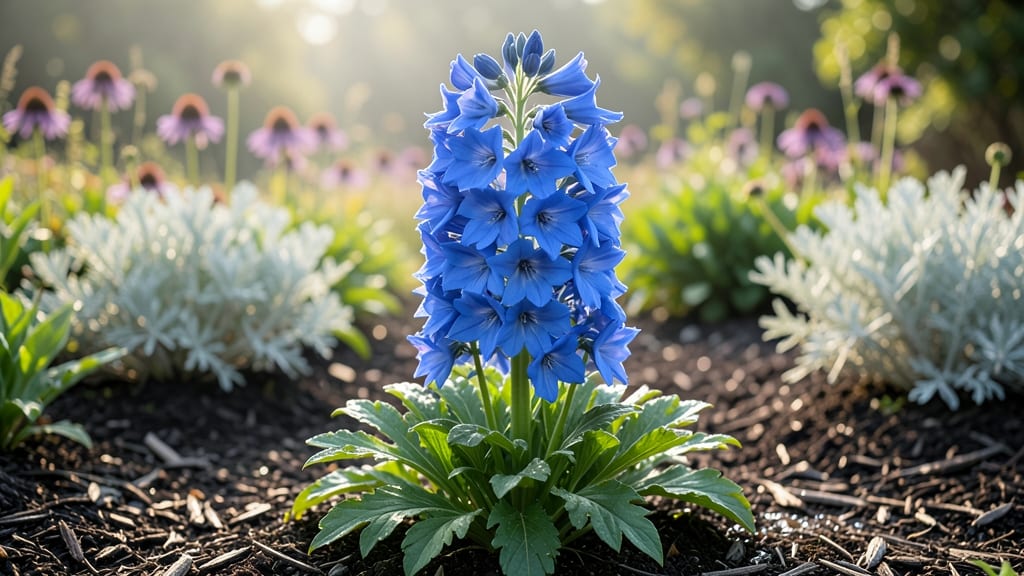
Long-stemmed blue flowers are the ultimate game-changer for any garden or vase arrangement, adding a touch of cool elegance that’s hard to beat. Whether you're crafting a romantic bouquet or designing a showstopping flower bed, these varieties bring a refreshing contrast that brightens up any space.
If you've ever struggled to find flowers that stay fresh and tall enough for cutting, you're in the right place. Delphinium 🌸, with its towering stems and vibrant blue blooms, is just one of the 7 stunning options that will transform your garden into a cutting garden paradise.
These flowers aren’t just beautiful—they’re practical too, with long stems that hold up perfectly in arrangements.
But here’s the thing: not all blue flowers are created equal. Some wilt quickly, while others fade fast in a vase. That’s why I’ve handpicked the best varieties that stay fresh longer and pair beautifully with other colors.
From classic Delphinium to bold Cornflowers, each one brings something unique to the table.
Ready to discover how to grow, harvest, and style these long-stemmed beauties? I’ll walk you through everything you need to know—so you can enjoy their stunning presence all season long. Let’s get started!
7 Best long-stemmed blue flowers for cutting gardens
If you're dreaming of a cutting garden filled with cool-toned blue blooms that bring drama and freshness to your arrangements, you're in the right place. These long-stemmed varieties aren't just stunning—they're designed to thrive in vases for days, making them perfect for bouquets, centerpieces, or even simple single-stem displays.
Whether you're a seasoned gardener or just starting, these seven top-performing blue flowers will elevate your garden and your floral designs.
What makes these flowers stand out? It's not just their vibrant blue hues—it's their exceptional stem length, durability, and ability to hold up beautifully in water. From the towering elegance of Delphinium to the delicate charm of Cornflowers, each variety brings something unique to your cutting garden.
Let's dive into the specifics so you can choose the perfect additions for your space.
| Flower Name | Average Stem Length | Bloom Season | Sunlight Needs | Soil Preferences | Vase Life (Days) |
|---|---|---|---|---|---|
| Delphinium | 24-36 inches | Mid to late summer | Full sun | Well-drained, fertile | 5-7 days |
| Cornflower (Centaurea cyanus) | 18-24 inches | Late spring to early fall | Full sun | Average, slightly dry | 7-10 days |
| Hydrangea (Bigleaf) | 12-24 inches | Mid to late summer | Partial shade | Moist, well-drained | 5-7 days |
| Statice (Limonium) | 12-20 inches | Summer to fall | Full sun | Well-drained, sandy | 10-14 days |
| Blue Salvia (Salvia nemorosa) | 18-24 inches | Late spring to summer | Full sun | Well-drained, dry | 7-10 days |
| Lupine (Lupinus) | 24-48 inches | Spring to early summer | Full sun | Well-drained, slightly alkaline | 5-7 days |
| Blue Thistle (Echinacea) | 18-36 inches | Mid to late summer | Full sun | Well-drained, average | 7-10 days |
The first flower on our list is Delphinium, often called the "Queen of the Garden." These towering blue giants can reach heights of 4-6 feet, making them a stunning focal point in any cutting garden.
Their long, sturdy stems hold up beautifully in arrangements, and their vibrant blue blooms add a touch of drama. Delphiniums thrive in full sun and well-drained soil, and they're perfect for adding height and structure to your bouquets.
Just be sure to stake them early, as their tall stems can become top-heavy.
Next up is Cornflower (Centaurea cyanus), a charming annual that brings a whimsical touch to any garden. These delicate blue blooms grow on stems that can reach up to 24 inches, making them ideal for mixed arrangements.
Cornflowers are incredibly easy to grow—they thrive in average garden soil and full sun, and they're drought-tolerant once established. Their long vase life means you can enjoy their beauty for nearly two weeks, making them a favorite for gardeners who love low-maintenance flowers.
For a softer, more romantic look, consider Bigleaf Hydrangea. These lush blue blooms grow on stems that can reach up to 24 inches, and they're perfect for adding texture and volume to your arrangements.
Hydrangeas prefer partial shade and moist, well-drained soil, which makes them ideal for gardeners in warmer climates. Their vase life is impressive, lasting up to a week, and they pair beautifully with other blue flowers or white blooms for a dreamy effect.
Statice (Limonium) is another fantastic choice for long-stemmed blue flowers, especially if you love dried arrangements. These papery blue blooms
How to grow and harvest long-stemmed blue flowers for maximum beauty
Long-stemmed blue flowers like delphinium and cornflowers are dreamy additions to any cutting garden, but their success depends on proper care. To achieve those tall, sturdy stems and vibrant colors, you’ll need to focus on a few key practices from planting to harvesting.
I’ve learned that consistent moisture, supportive structures, and timely deadheading make all the difference in keeping your blue blooms thriving.
One of the biggest mistakes gardeners make is overwatering or underwatering these delicate stems. Too much water causes floppy stems, while too little leads to weak blooms.
The secret lies in balanced hydration—watering deeply in the morning to keep roots moist but ensuring the soil drains well to prevent root rot. I’ve found that mulching around the base helps retain moisture while keeping the soil cool, which is especially important during hot summer months.
5 Pro Tips for Growing Long-Stemmed Blue Flowers
- 1. Plant in well-draining soil with a pH of 6.5-7.5. Amend heavy clay with compost to prevent waterlogging, which weakens stems.
- 2. Stake tall varieties like delphinium immediately after planting. Use soft ties or bamboo stakes to avoid damaging stems as they grow.
- 3. Fertilize lightly with a balanced 5-10-10 formula every 4-6 weeks during the growing season. Over-fertilizing leads to lush foliage but fewer blooms.
- 4. Harvest in the morning when buds are just opening. Cut stems at a 45-degree angle below a node to encourage regrowth and longer vase life.
- 5. Deadhead spent blooms regularly to redirect energy into new growth. For cornflowers, snip entire stems down to the base to prevent reseeding.
Harvesting at the right time is crucial for both the health of your plants and the longevity of your cut flowers. I always cut delphinium stems when the lower buds are just beginning to open—this ensures the rest of the stem will bloom in the vase.
For cornflowers, wait until at least 50% of the buds are open to maximize their vase life. Always use clean, sharp shears and cut stems at an angle to increase water absorption.
Companion planting can also boost your blue flowers’ performance. Pairing delphinium with marigolds deters pests like aphids, while lavender nearby repels slugs. I’ve noticed that statice thrives when planted near roses, as the roses provide shade during the hottest part of the day.
Just avoid planting blue flowers near mint or comfrey, which can stunt their growth.
To extend vase life, give your cut stems a fresh cut and place them in lukewarm water with a flower food packet. Change the water every 2-3 days and trim stems again to prevent bacterial growth.
I’ve had hydrangea stems last up to 10 days in a vase with these simple steps, and the blue hues stay vibrant longer.
With these tips, your long-stemmed blue flowers will not only look stunning in your garden but also create breathtaking arrangements that last. The key is consistency—whether it’s watering, staking, or deadheading—small efforts lead to big rewards. Happy gardening! 🌷