
Mower
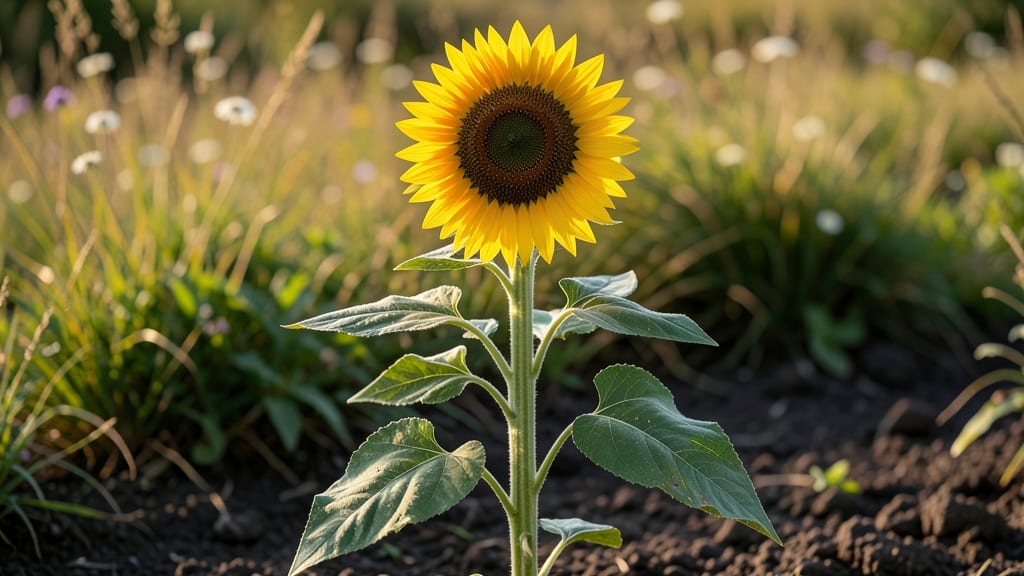
Picture this: a 🌻 Mammoth Russian Sunflower with a height that stretches skyward like a natural skyscraper, its towering presence casting shadows across your garden. This isn't just any sunflower—it's the tallest variety around, capable of reaching 12 to 15 feet when given the right conditions.
But what exactly makes these giants grow so massive, and how can you coax one to reach its full potential in your backyard?
Most sunflowers top out around 5 to 6 feet, but the Mammoth Russian Sunflower shatters expectations with its unmatched height. Whether you're a seasoned gardener or a curious beginner, understanding the secrets behind its growth can transform your garden into a sunflower wonderland.
Let’s explore why this variety dominates others and how you can cultivate one that rivals the giants you’ve only seen in photos.
The key to unlocking this sunflower’s full height lies in a few critical factors: soil quality, sunlight exposure, and proper spacing. Unlike shorter varieties, Mammoth Russian Sunflowers need room to stretch their legs—literally.
With the right care, you could be growing a sunflower that’s taller than you are, making your garden the talk of the neighborhood. Ready to learn how?
From planting tips to maintenance tricks, we’ll cover everything you need to know to maximize your Mammoth Russian Sunflower’s height. Whether you’re comparing it to other giant varieties or just want to grow the tallest sunflower in your area, this guide has you covered. Let’s get started!

How tall does the Mammoth Russian sunflower grow?
The Mammoth Russian Sunflower (Helianthus annuus) is a true giant in the gardening world, capable of reaching staggering heights between 10 to 15 feet under optimal growing conditions. This variety isn't just tall—it's one of the tallest sunflowers cultivated, often surpassing even the American Giant variety.
Its towering stature makes it a standout feature in any garden, but achieving that maximum height requires understanding its growth habits and environmental needs.
Most gardeners report mature heights of 12 to 14 feet when grown in fertile, well-drained soil with full sunlight exposure. However, some exceptional specimens have been documented reaching up to 16 feet in ideal climates, like those found in USDA Zones 5-9.
The key to unlocking this massive growth lies in genetics, soil quality, sunlight, and proper spacing—all of which we'll explore in detail below.
| Growth Factor | Ideal Specification | Height Impact |
|---|---|---|
| Sunlight | 6+ hours of direct sun daily | Maximizes photosynthesis for 12-15 ft growth |
| Soil Type | Loamy, well-draining, rich in organic matter | Supports 10-14 ft stems with strong roots |
| Spacing | 18-24 inches between plants | Prevents competition for nutrients, ensuring full height potential |
| Watering | Deep watering 2-3 times per week | Maintains 10-12 ft growth in dry climates |
| Fertilizer | Balanced 10-10-10 NPK, applied every 4-6 weeks | Boosts growth to 14-16 ft in optimal conditions |
The Mammoth Russian Sunflower owes its extraordinary height to a combination of genetic dominance and environmental factors. Unlike smaller sunflower varieties, this plant has a longer growing season and thicker stems capable of supporting its massive weight.
Its taproot system can extend 3 to 5 feet deep, allowing it to access nutrients and water from deep within the soil—a critical advantage during drought conditions.
One of the most fascinating aspects of this sunflower is its growth rate. In the first 60 days, you can expect 6 to 10 feet of growth under ideal conditions.
By day 90, many plants will have reached their maximum height, though some may continue to grow slowly until frost. This rapid vertical growth is why many gardeners describe the Mammoth Russian as a "sunflower on steroids"—it doesn’t just grow tall; it dominates the garden landscape.
However, not all gardens are created equal. Soil quality plays a critical role in determining whether your sunflower will hit 12 feet or stay closer to 8 feet.
Heavy, clay-based soils can stunt growth, while loamy, well-amended soil with compost or aged manure provides the nutrients needed for optimal height. Conduct a soil test before planting to ensure your garden has the right balance of nitrogen, phosphorus, and potassium—the three key nutrients for sunflower growth.
Sunlight is another non-negotiable factor. The Mammoth Russian Sunflower thrives in full sun (6+ hours daily), but even slight shade reductions can lead to leaning stems or stunted growth. If you're growing this variety in a partially shaded area, expect heights to drop by 20-30%.
For best results, plant it in the sunniest spot in your garden, preferably where it won’t be overshadowed by trees or taller structures.
Proper spacing is often overlooked but is essential for maximizing height. Plant seeds 18 to 24 inches apart to give each sunflower enough room to develop a strong, unobstructed stem.
Crowding can lead to weak, spindly growth or competition for nutrients, both of which will limit height potential. If you're growing multiple Mammoth Russians, consider dedicating an entire garden bed to them for the best results.
Finally, wind and staking can make or break your sunflower’s height. Without support, tall stems can bend or snap under their own weight, especially in windy conditions. Install bamboo stakes or metal cages early in the growing season to provide structural support.
This not only helps the plant reach its full height but also protects the flower head from damage, ensuring a showstopping display when it finally blooms.
For those aiming to grow a record-breaking Mammoth Russian, consider these pro tips: Start seeds indoors 4-6 weeks before the last frost, use slow-release fertilizer, and mulch heavily to retain moisture.
With the right conditions, your sunflower could easily surpass 14 feet, making it the tallest plant in your neighborhood—and a conversation starter for years to come. 🌻
Tips to maximize Mammoth Russian sunflower height in your garden
To coax your Mammoth Russian Sunflower to reach its 12-to-15-foot potential, start with rich, well-draining soil. These giants thrive in soil with high organic matter—think compost or aged manure mixed into the top 12 inches.
A soil test can reveal if your garden lacks essential nutrients like phosphorus and potassium, which fuel rapid stem growth. Amend the soil with a balanced fertilizer (10-10-10) before planting to give your sunflower a strong foundation.
Next, prioritize full-sun exposure—at least 6 to 8 hours daily. Unlike shorter varieties, Mammoth Russians demand uninterrupted sunlight to develop their towering stature. Plant them in the southernmost part of your garden or near a south-facing fence to maximize light absorption.
Even partial shade can stunt growth, so avoid planting near tall trees or structures.
- 🌱 Soil Prep: Mix compost into the top 12 inches of soil for nutrient-rich growth.
- ☀️ Sunlight: Ensure 6+ hours of direct sun daily—no compromises!
- 🪴 Spacing: Plant 18-24 inches apart to prevent overcrowding and encourage vertical growth.
- 💧 Watering: Deep water 2-3 times per week during dry spells to support stem strength.
- ✂️ Staking: Use bamboo stakes or cages early to prevent stem bending from wind.
Proper spacing is another game-changer. Crowding plants forces them to compete for nutrients and sunlight, which stunts their height. Space your Mammoth Russians 18 to 24 inches apart in rows that are 3 feet apart.
This gives their roots room to expand and their stems room to stretch upward without leaning. If you’re short on space, consider growing them in raised beds or containers with at least 18 inches of depth.
Watering plays a crucial role in height development. These sunflowers need deep, consistent moisture, especially during their first 6 weeks of growth. Water at the base of the plant in the morning to reduce evaporation and fungal risks.
Avoid overhead watering, which can weaken stems and make them susceptible to powdery mildew. During hot summers, increase watering to every 2-3 days to keep the soil evenly moist but not waterlogged.
Don’t forget about staking—a secret weapon for maximizing height. Mammoth Russians can become top-heavy as they grow, especially in windy conditions. Install bamboo stakes or tomato cages at planting time and gently tie the main stem to the support as it grows.
This prevents the stem from bending or breaking, allowing it to grow straight and tall. If you miss this step, your sunflower may grow lopsided or even fall over before reaching its full height.
Finally, monitor for pests and diseases that can sabotage growth. Common culprits like aphids and sunflower moths can weaken stems, while fungal diseases thrive in damp conditions. Use neem oil or insecticidal soap for pests and ensure good air circulation around plants.
With these tips, your Mammoth Russian Sunflower will stand tall and proud, reaching heights that will amaze your neighbors. 🌻