
Blooming
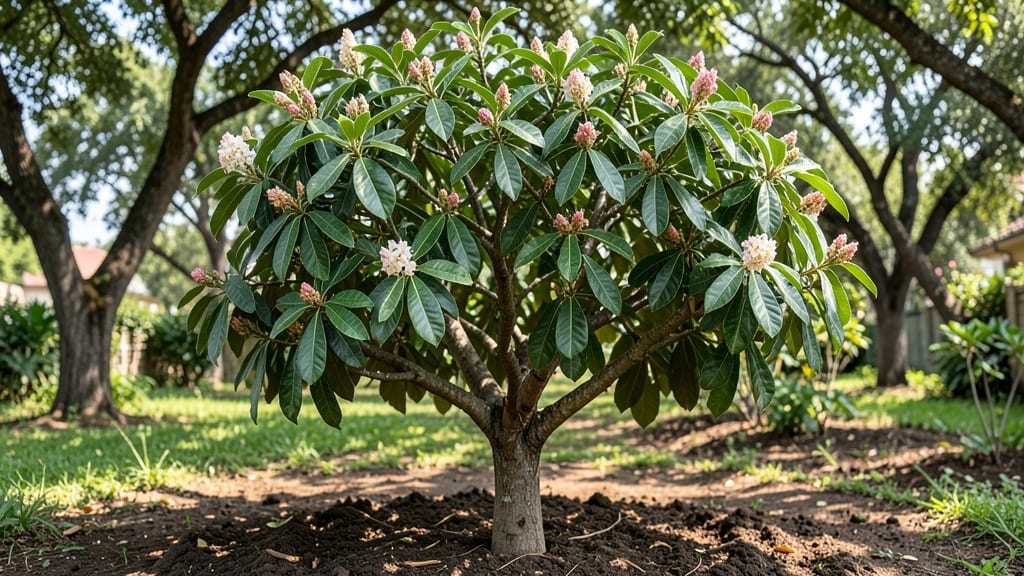
Understanding the mango flowering stages could mean the difference between a bountiful harvest and a tree full of empty blossoms. Your 🥭 tree might look like it’s in full bloom, but not every flower will turn into fruit—and knowing why makes all the difference.
For most growers, the real mystery lies in those first few weeks after flowering begins. What you don’t see—like temperature shifts or hidden pests—can silently sabotage your fruit set before you even notice. The good news? With the right timing and care, you can boost your tree’s success rate dramatically.
In this guide, I’ll walk you through each stage of mango flowering, from the first tiny buds to the moment fruit begins forming. You’ll learn how to spot healthy flowers, adjust your care routine, and even troubleshoot common problems before they become costly mistakes.
Whether you’re a backyard gardener in Phoenix or a commercial grower in Southeast Asia, these insights will help you maximize your yield—no guesswork required.
3 Stages of mango flowering: what each phase means for fruit production
Did you know mango trees produce flowers in just three distinct stages—but only one leads to fruit? Understanding these stages is the key to maximizing your harvest, whether you're a commercial grower or a backyard gardener.
The panicle formation stage sets the foundation, while anthesis determines pollination success, and fruit set decides your final yield. Each phase requires specific environmental conditions to ensure a bountiful crop.
Mango trees typically flower in late winter to early spring, though timing varies by variety and climate. For example, tropical varieties like Alphonso bloom earlier than subtropical types like Tommy Atkins. The three stages—panicle formation, anthesis, and fruit set—each play a critical role in fruit production.
Missing the mark in any stage can lead to flower drop or poor-quality fruit, so let’s break down what happens at each phase and how to optimize conditions.
Key environmental factors like temperature (75–95°F), humidity (60–80%), and pollinator activity directly impact each stage. For instance, temperatures below 65°F or above 100°F can cause flowers to abort, while low humidity increases stress. Understanding these factors helps you create ideal conditions for your mango tree’s flowering success.
The first stage, panicle formation, is where flower buds begin to develop into panicles—those distinctive, feathery clusters you’ll spot on your mango tree. This stage is highly sensitive to temperature fluctuations.
If nights drop below 60°F, buds may fail to open, leading to flower drop. To prevent this, use row covers or mulch to retain soil warmth, especially in subtropical climates.
During anthesis, or flower opening, your mango tree’s flowers fully bloom over 5–7 days, releasing a sweet fragrance that attracts pollinators like bees and wasps. This is the most critical stage for fruit production.
If pollination fails—due to lack of bees or poor weather—flowers will drop within 24–48 hours. To boost pollination, plant bee-friendly flowers like sunflowers or marigolds nearby or manually pollinate with a soft brush.
After successful pollination, you’ll enter the fruit set stage, where tiny fruits begin to form. However, not all pollinated flowers will develop into mangoes. Environmental stress (drought, extreme heat, or nutrient deficiencies) can cause premature fruit drop.
To support this stage, ensure your tree receives consistent watering (deep soaks every 5–7 days) and a balanced fertilizer (NPK ratio of 6-6-6) to prevent nutrient imbalances.
One common challenge is flower drop, where unproductive flowers fall off before setting fruit. This often happens due to inconsistent pollination or nutrient deficiencies. To reduce drop, apply a light dose of potassium (like banana peel tea) and ensure humidity stays above 60%.
In arid climates, mist the tree lightly during anthesis to mimic tropical conditions.
For commercial growers, thinning fruit during the set stage is essential. Overcrowded mangoes compete for nutrients, resulting in small, poor-quality fruit. Remove excess fruits (leave 6–8 inches between each) to allow remaining mangoes to grow larger and sweeter.
Use sterilized pruning shears and work on a dry, sunny day to prevent disease spread.
Monitor your tree closely during these stages, as visual cues can reveal potential issues. For example, yellowing leaves may indicate nutrient deficiency, while drooping panicles suggest underwatering.
Adjust care based on these signs—mulch heavily in dry spells and reduce fertilizer if new growth appears stressed. Patience and observation are key to a successful mango harvest.
By understanding each stage’s unique requirements, you can troubleshoot problems early and create optimal conditions for your mango tree.
Whether you’re dealing with panicle formation, anthesis, or fruit set, small adjustments—like temperature control, pollinator support, or nutrient management—can make a big difference in your final yield.
With the right care, your tree will reward you with juicy, sweet mangoes in just 3–6 months!
How to identify healthy vs. unproductive mango flowers (with visual clues)
Not all mango flowers are created equal—and knowing the difference between productive and unproductive blooms can save you from wasted energy. Healthy flowers are your tree’s ticket to a fruitful harvest, while weak or stressed ones will simply drop.
The key lies in observing three critical visual clues: size, color, and scent. For example, productive flowers have larger petals and a sweet, honey-like fragrance, while unproductive ones may appear stunted or lack aroma entirely.
Even if your tree is covered in blossoms, only about 10-30% will typically develop into fruit. This is why understanding these differences is essential. Without proper pollination or healthy flower development, your mango tree might look beautiful but yield little to nothing.
The good news? You can manually pollinate if natural pollinators like bees are scarce, giving your flowers the extra boost they need to set fruit.
Here’s a quick pros-cons breakdown to help you assess your mango flowers at a glance:
- Size: Larger petals (1.5–2.5 cm wide)
- Color: Bright yellow or pinkish hues
- Scent: Strong, sweet fragrance
- Stamens: Long, visible filaments
- Location: Often on younger branches
- Size: Small, underdeveloped petals
- Color: Pale green or dull yellow
- Scent: Little to no fragrance
- Stamens: Short or missing filaments
- Location: Often on older wood
If you’re unsure whether your flowers are healthy, use this quick checklist before fruit set begins:
✅ Petal Size: Measure a few flowers—productive ones should be noticeably larger.
✅ Color Vibrancy: Healthy flowers have rich, bright colors, not washed-out tones.
✅ Scent Test: Hold a cluster to your nose—strong scents indicate readiness for pollination.
✅ Stamen Check: Gently separate petals to inspect stamens; long filaments mean better pollination success.
For trees in areas with low bee activity, manually pollinate by gently shaking branches during peak bloom (early morning) or using a small brush to transfer pollen between flowers.
This mimics natural pollination and can dramatically increase fruit set. Just be sure to do it on a dry, sunny day when flowers are fully open for best results.
By mastering these visual clues, you’ll transform guesswork into a strategic approach to mango fruit production—leading to a tree bursting with ripe, juicy mangoes come harvest season. 🌱