
Flowers
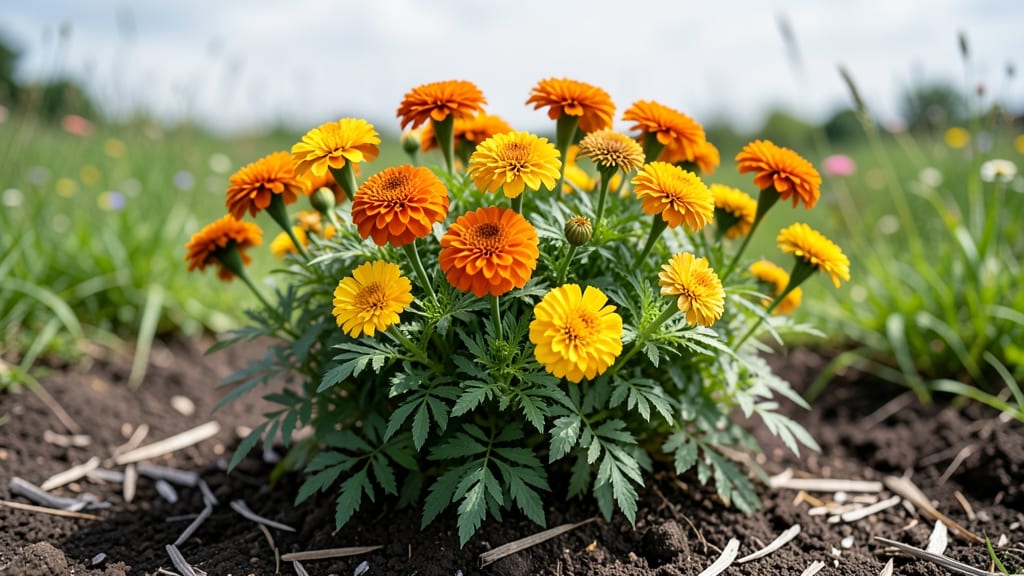
Most gardeners assume marigolds are low-maintenance, but timing is everything. Plant too early, and frost will nip tender seedlings. Too late, and you’ll lose weeks of potential blooms. In USDA Zone 6a, like many temperate regions, the sweet spot is April to May—but even then, variety matters.
French marigolds, for example, thrive with a head start, while African types can handle slightly cooler soil.
Here’s the game-changer: By aligning your planting schedule with your zone’s frost dates and choosing the right marigold type, you can stretch those cheerful blooms from July to October.
I’ll break down the exact weeks to plant for your region, plus pro tips to keep your marigolds flowering longer—no guesswork, just bold results.
Ready to turn your garden into a nonstop marigold show? Let’s dive into the science (and shortcuts) that will have your 🌼 beds bursting with color all season long.
Best planting weeks for marigolds by USDA zone (with exact dates)
Marigolds are one of the easiest flowers to grow, but their bloom time depends entirely on when you plant them. Whether you're growing French marigolds, African marigolds, or signet varieties, timing your plantings to match your USDA zone ensures vibrant blooms from early summer to frost.
Plant too early, and you risk leggy, weak stems. Too late, and you might miss the full flowering season.
Most gardeners aim to plant marigolds 3-4 weeks before the last frost in spring, but the exact dates shift dramatically depending on your zone. For example, in Zone 10, you might plant as early as February, while in Zone 3, you’ll wait until May.
Even within zones, microclimates—like urban heat islands or sheltered garden spots—can shift your ideal planting window by 1-2 weeks.
Below is your zone-by-zone planting guide, including exact weeks and adjustments for cooler or hotter microclimates. Use this to time your plantings for maximum bloom time and continuous color all season.
For African marigolds, which are larger and slower to mature, aim for the earlier end of your zone’s planting window.
These varieties need 60-90 days to bloom, so planting in March (Zones 7-10) or late April (Zones 5-6) ensures they’re ready by summer. French marigolds, on the other hand, bloom faster (45-60 days), so you can push your planting dates 1-2 weeks later for a second flush of blooms in late summer.
If you’re in a cooler microclimate—like a shaded garden bed or high-altitude area—delay your planting by 1-2 weeks to avoid cold soil. Conversely, in hotter microclimates, such as urban sidewalks or south-facing patios, you can plant 1-2 weeks earlier since the ground warms up faster.
Always check your soil temperature with a thermometer; marigolds thrive when it’s above 50°F.
For a continuous bloom display, consider making successive plantings every 2-3 weeks during your zone’s ideal window. This strategy works especially well for signet marigolds, which are compact and perfect for containers.
For example, in Zone 7, plant a batch in March, another in April, and a final one in May to enjoy blooms from May through October.
One common mistake is planting marigolds too close to the last frost, which stresses seedlings. Instead, use row covers or start seeds indoors 4-6 weeks before your zone’s last frost date. Hard
How to extend marigold flower time with successive plantings
Marigolds are nature’s gift for long-lasting color, but their flower time often fades too soon if you plant them all at once. The secret to a garden bursting with blooms from early summer to frost is successive plantings—a simple strategy that ensures fresh flowers every 2-3 weeks.
I’ve used this method for years in my USDA Zone 6a garden, and it’s the reason my marigolds never take a break from blooming.
Here’s how it works: Plant your first batch of marigold seeds or seedlings 3-4 weeks after your last frost date, then add new batches every 2-3 weeks until 6-8 weeks before your first frost.
This staggered approach creates a continuous bloom cycle, so when the first batch starts to fade, the next one is just opening up. It’s like having a never-ending supply of cheerful 🌼.
- Step 1: Start with French marigolds (they bloom fastest) 3-4 weeks after frost.
- Step 2: Plant African marigolds (taller, later bloomers) 4-6 weeks after frost.
- Step 3: Add signet marigolds (compact, great for borders) 2-3 weeks after each batch.
- Step 4: Stop planting 6-8 weeks before frost—give seedlings time to mature.
Timing is critical, but so is seedling care. After planting, keep young marigolds well-watered but not soggy—aim for 1 inch of water per week. Use a light mulch (like straw) to retain moisture and suppress weeds, which can compete with your seedlings for nutrients.
I’ve found that morning watering is best—it gives the soil time to dry out slightly during the day, reducing the risk of fungal diseases like powdery mildew.
To boost marigold longevity, pair them with the right companion plants. Marigolds thrive near tomatoes, peppers, and herbs like basil, but avoid planting them with potatoes or cabbage—they can stunt each other’s growth.
I like to interplant marigolds with nasturtiums; the nasturtiums attract pests away from my veggies, while the marigolds keep the nasturtiums pest-free. It’s a win-win for pest control and extended bloom time.
Don’t forget to deadhead spent blooms regularly—this encourages your marigolds to produce even more flowers. Pinch off the faded blooms with your fingers or use clean pruning shears, and watch your plants respond with fresh buds in just 7-10 days.
I deadhead my marigolds every 3-4 days during peak bloom season, and it keeps my plants looking full and vibrant for weeks longer than if I ignored them.
With successive plantings and a little extra care, you can enjoy marigold blooms from July through October—or even later in warmer climates.
The key is consistency: stick to your 2-3 week planting schedule, keep up with watering and deadheading, and your garden will be a nonstop parade of color all season long. Trust me, once you try this method, you’ll never plant marigolds just once again!