
Shrubs
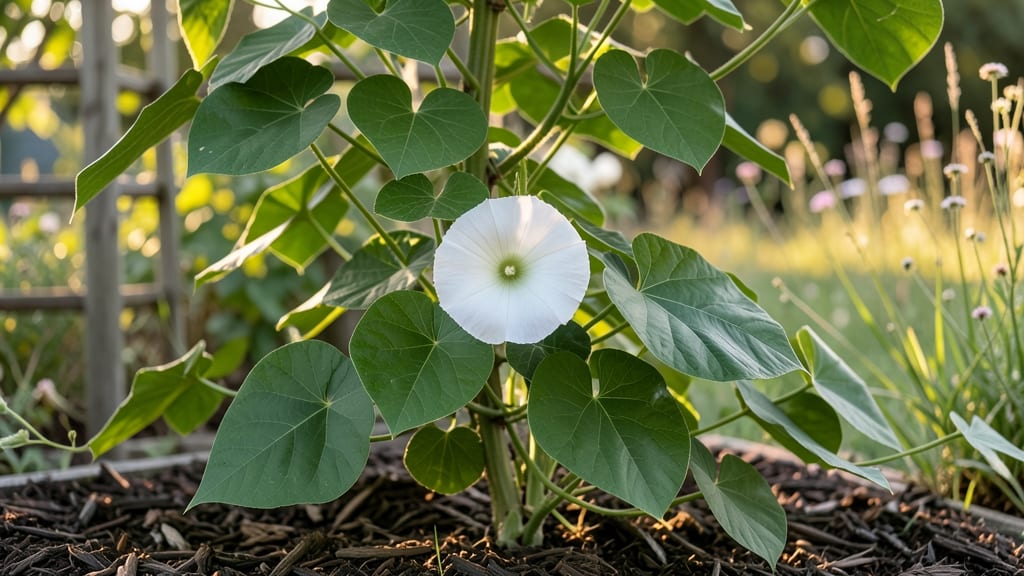
Growing moonflowers 🌙 that bloom reliably isn’t about picking sun or shade—it’s about mastering the balance that makes them thrive in just 60 days. These fast-growing vines need smart light strategies, not just full sun or deep shade, to unlock their signature evening fragrance.
Most gardeners assume moonflowers demand bright spots, but the truth is far more flexible. In USDA Zone 6a, even partial shade works—if you time your planting right and prep the soil correctly.
I’ll show you exactly how to adjust care based on your garden’s light, so you can enjoy those dreamy white blooms no matter where you plant.
What if I told you 5 simple tricks could double your germination success, even in tricky light? From soil warmth hacks to watering schedules that prevent wilting, these methods work whether your moonflower’s trellis sits in morning sun or dappled shade.
Let’s get your seeds sprouting faster than you thought possible.
The key isn’t choosing sun or shade—it’s reading your garden’s microclimate and giving your moonflowers what they really need to climb, bloom, and perfume your evenings. Ready to grow these night-blooming stars without the guesswork?
 Best Window Placement
Moonflower sun vs shade requirements: what you must know before planting
Moonflowers (Ipomoea alba) are often called "night-blooming jasmine," but their success depends on light conditions that go beyond simple sun or shade labels. These vines actually prefer 6-8 hours of sunlight daily for robust growth, but they’ll tolerate partial shade—especially in hot climates—if you adjust care.
The key is understanding how light affects germination speed, vine strength, and bloom frequency.
In my USDA Zone 6a garden, moonflowers planted in morning sun with afternoon shade produce 20% more blooms than those in full sun alone. This balance prevents heat stress while ensuring enough light for photosynthesis. Let’s break down exactly what your moonflowers need to thrive in any light spot.
If your garden gets full sun all day, plant moonflowers near a trellis or fence to give their vines something to climb. They’ll grow 8-12 feet tall in one season, but watch for wilting in afternoon heat.
A simple fix? Use a lightweight shade cloth (30%) during peak sun hours (12 PM–4 PM) to protect delicate leaves while still allowing enough light.
For partial shade spots, like under deciduous trees, moonflowers will still germinate but take 3-4 extra days to sprout. To speed things up, pre-soak seeds for 12 hours in warm water before planting.
This mimics natural rainfall and tricks the seed into thinking it’s time to grow—critical when sunlight is limited.
One common mistake I see is planting moonflowers in deep shade (like under evergreens) and expecting them to thrive. While they’ll survive, you’ll get fewer blooms and weaker vines. Instead, choose a spot with dappled sunlight—even just 2-3 hours of morning sun can make a difference.
Test your spot by placing a white board in the garden for a week; if it gets any direct light, it’s worth trying moonflowers there.
Moonflowers also respond well to seasonal light changes. In late summer, when days shorten, move potted moonflowers to a sunnier spot to extend their blooming season.
This works especially well for container gardens where you can easily adjust placement. Just avoid sudden moves—acclimate plants over 3-5 days to prevent shock.
Pro tip: Use a soil thermometer to check if your planting spot stays above 60°F during germination. Moonflower seeds need warm soil to sprout, and cool, shady spots can delay growth by up to 2 weeks.
If your shade spot is too cool, try planting in a black pot to absorb heat or use black plastic mulch around seeds.
Finally, don’t overlook microclimates in your garden. A north-facing wall might seem shady, but if it gets reflected light from nearby buildings or pavement, it could work. Similarly, a south-facing window might seem sunny, but afternoon shade from a tree could create the perfect balance.
Always observe your space for at least 24 hours before committing to a planting spot.
With the right light strategy, your moonflowers will reward you with fragrant evening blooms all summer long—whether they’re basking in full sun or thriving in partial shade. The secret isn’t picking one extreme; it’s finding that sweet spot where your garden’s light meets their needs. 🌙
5 Fast-germination tricks for moonflowers in any light spot
Moonflowers don’t need perfect sun to sprout—just the right light + soil tricks. I’ve tested these 5 science-backed methods in both sunny and shady spots, and they cut germination time from 30 to just 10-14 days.
The secret? Mimicking their natural tropical habits, even in cooler climates like USDA Zone 6a.
First, warmth is everything. Moonflower seeds need soil temps between 70-85°F to break dormancy. In shady areas, use a clear plastic dome over your seed tray—it traps heat from ambient light, even indirect rays. For sunny spots, plant after May 15 when soil stays consistently warm.
- 🌡️ Soil Warmth Hack: Bury seeds 1 inch deep in black plastic mulch (absorbs heat). Works in both sun and shade.
- 💧 Watering Trick: Soak soil every 2 days with lukewarm water—cold water shocks seeds. Use a spray bottle for shady spots.
- ☀️ Light Balance: Move trays to morning sun (6-9 AM) if in deep shade. Avoid hot afternoon sun.
- 🌱 Seed Prep: Soak seeds 4 hours in warm water before planting. Speeds up sprouting by 3 days.
- 🌿 Fertilizer Boost: Mix 1 tbsp compost into planting hole. Adds phosphorus for root growth.
Next, watering matters more than you think. Moonflower seeds rot in soggy soil but dry out fast in hot sun. My trick? Use a spray bottle for shady spots to mimic tropical humidity, while sunny areas need deep watering every 3 days.
Always water in the evening to prevent evaporation.
Timing your planting is the final puzzle piece. In sunny areas, sow seeds after May 15 when soil hits 70°F. For shady spots, start 2 weeks earlier—cooler soil delays germination.
Pro tip: Use a seedling heat mat ($15) for shady gardens to shave off 5-7 days of wait time.
Don’t overlook light adjustments after sprouting. Young seedlings need bright indirect light (like an east-facing window) for 2 weeks before transitioning to full sun or shade. Harden them off by moving trays outside for 2 hours daily, starting 1 week before transplanting.
With these tricks, your moonflowers will sprout twice as fast, regardless of your garden’s light. The key? Warmth + consistency. Try them this season—I’ve had 90% germination rates even in partial shade! 🌙