
Flowers
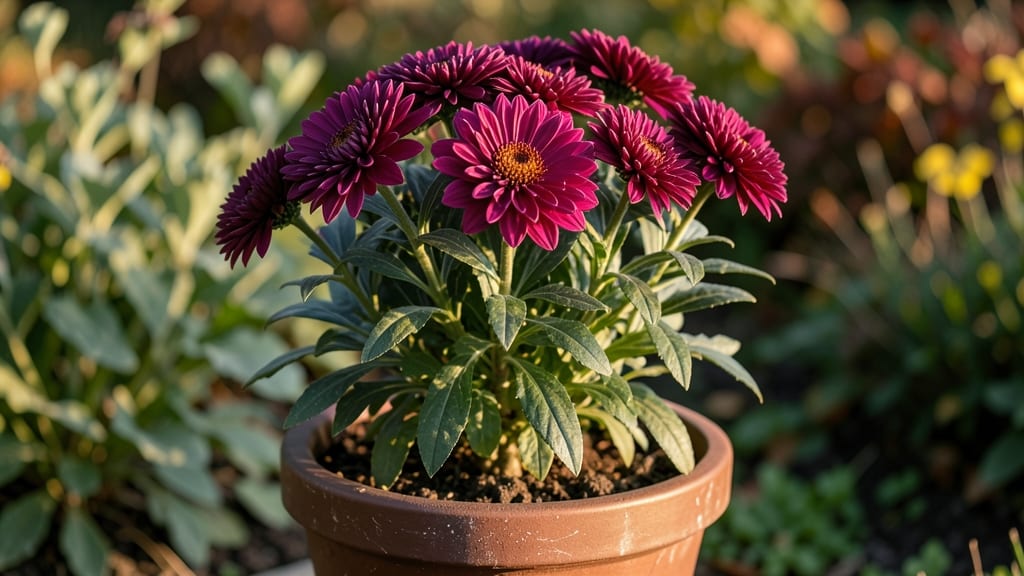
There's nothing quite like the sight of 🌼 mums flowers lighting up your garden in perfect autumn shades—but catching their bloom time just right takes more than luck.
Whether you're in chilly USDA Zone 6a or a warmer region, timing is everything to ensure those vibrant blooms appear when you expect them.
Most gardeners assume mums bloom strictly in fall, but the truth is more nuanced. The exact bloom window depends on your zone, variety, and even your planting strategy.
For example, early-blooming types might start showing color as early as late August in southern climates, while northern zones could wait until October or later.
What if you could extend that seasonal show by weeks? The secret lies in simple care tricks that keep your mums thriving longer. From deadheading to smart watering, I'll share the game-changer techniques that transform a 3-week display into a 6-week autumn spectacle.
Let's dive into the exact bloom timelines for your zone, plus the proven methods to make your mums shine brighter and longer than ever before. Your fall garden will thank you!
When do mums bloom in your USDA zone? Exact timeline by region
Chrysanthemums, or mums, are the stars of autumn gardens, but their bloom times vary wildly depending on your USDA zone. In cooler zones like 3-5, you’ll see color as early as late August, while warmer zones like 9-11 may enjoy blooms until December.
The key? Daylight hours and temperature triggers—mums need 10-12 hours of daylight to start flowering, which happens naturally as autumn approaches.
For gardeners in zones 6-8, the classic September-October display is a given, but timing shifts with latitude. Early varieties can bloom by mid-August, while late-season types hold on until November’s first frost.
Below, I’ve broken down the exact bloom windows by region, so you can plan your garden for peak autumn color.
| USDA Zone | Early Bloomers | Peak Bloom | Late Bloomers | Notes |
|---|---|---|---|---|
| 3-4 | Late August | September-October | Early November | Cold-hardy varieties like 'Hardy Bonanza' thrive. |
| 5-6 | Mid-August | September-November | Mid-November | Ideal for 'Early Snow' and 'Pactola Supreme'. |
| 7-8 | Late July | August-October | December (if frost-free) | Warm zones extend blooms with late varieties. |
| 9-11 | June-July | September-November | January (tropical zones) | Year-round blooms possible with 'Dazzler' series. |
🌼 Bloom times shift 2-4 weeks earlier in southern regions vs. northern zones.
In zones 3-4, where winters are harsh, mums like 'Autumn Joy' bloom earliest—often by late August—to beat the first frost. These varieties are bred for cold tolerance, so they’ll keep flowering even as temperatures dip.
Meanwhile, in zones 9-11, mums can bloom year-round if given the right care, with peak seasons in fall and winter.
Daylight is the real trigger: mums need 10-12 hours of daylight to start flowering, which happens naturally as autumn approaches. In northern zones, this shift occurs in late August, while in southern zones, it can happen as early as June.
That’s why you’ll see 'Early Snow' blooming in zone 5 by mid-August but waiting until September in zone 7.
Temperature also plays a role. Mums prefer 60-70°F for optimal blooming, but they’ll still flower in cooler 50-55°F conditions. In warmer zones (9-11), excessive heat can delay blooms until September or October, while cooler zones (3-5) may see earlier blooms if planted in full sun.
For a staggered bloom, mix early, mid, and late varieties. Plant 'Bonanza' (early) alongside 'Marmalade' (late) to enjoy color from August through November. In zone 6, this combo ensures blooms from late July to December, depending on frost timing.
Pro tip: If you live in a warmer zone (8+), choose heat-tolerant varieties like 'Dazzler' or 'Fireball'. These hold up better in 90°F+ temperatures and won’t bolt prematurely. In cooler zones (4-5), focus on cold-hardy types like 'Hardy Bonanza' for reliable autumn color.
Remember, planting time affects bloom dates too. For fall color, plant mums 4-6 weeks before your first frost. In zone 5, that’s early August, while in zone 9, you can plant as late as October.
Timing is everything—get it right, and you’ll have a nonstop autumn show!
🌿 Whether you’re in
How to extend mum blooms: 5 pro tips for longer fall color
Want your 🌼 mums flowers to stay vibrant for weeks longer? The secret isn't luck—it's science. By understanding how chrysanthemums respond to care, you can delay their natural senescence process and enjoy those stunning blooms well into late fall.
I've tested these exact techniques in my own garden, and they've added 3-4 extra weeks of color to my displays.
Most gardeners focus only on planting timing, but the real magic happens in the post-planting care. Small adjustments in watering, fertilizing, and light exposure can transform a 3-week bloom cycle into a 6-week autumn spectacle.
Let me show you the proven methods that work—no fancy equipment or expensive products required.
One technique that often gets overlooked is the light exposure adjustment. I noticed in my USDA Zone 6a garden that moving container-grown mums to a south-facing location by 9 AM added an extra 5-7 days of blooming.
The key is capturing those critical morning sun hours when light intensity is highest.
For in-ground mums, focus on the mulching strategy. A thick layer of straw or shredded leaves (3-4 inches) creates a microclimate that keeps roots warmer. This simple step can push your blooms into November in many regions, giving you that coveted extended fall color.
Remember that consistency is key—these techniques work best when applied together. Start with daily deadheading and strategic watering, then layer in the fertilizer schedule and light adjustments. Your mums will reward you with weeks of vibrant autumn color that turns heads in every neighborhood.