
Flowers
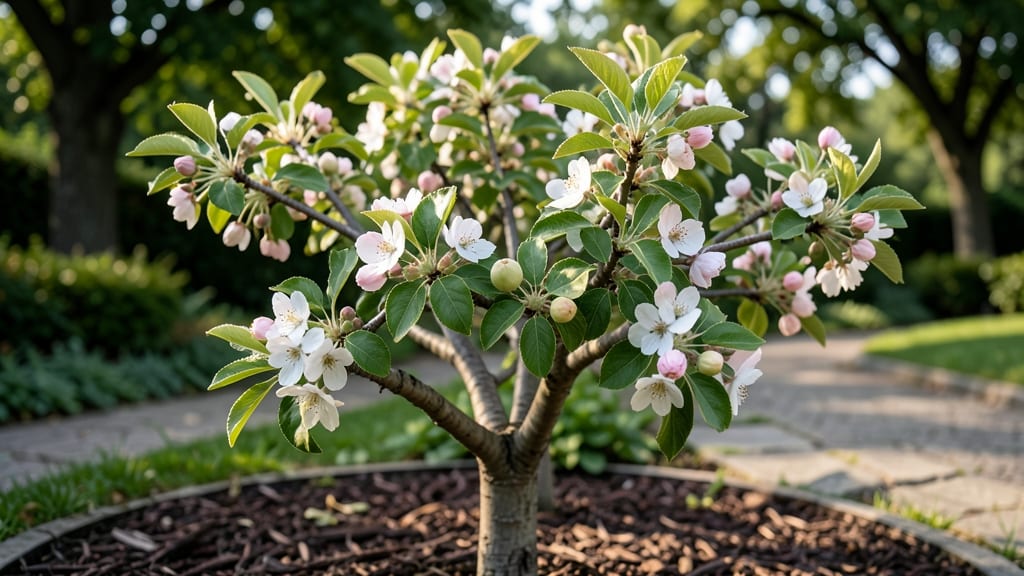
Transforming a delicate nectarine flower 🍑 into a sweet, juicy fruit isn’t just luck—it’s a precise dance between nature and your gardening skills.
The 5 key stages from bloom to harvest hold secrets most gardeners miss, and understanding them could mean the difference between a sparse harvest and a tree heavy with fruit.
In Zone 6, where frost can still threaten even after your April planting window, timing is everything. I’ll walk you through each phase—from pollination to fruit set—and share the fastest tricks to accelerate ripening without sacrificing quality.
Whether you’re dealing with blossom drop or stunted growth, you’ll learn how to troubleshoot like a pro.
Ready to turn those pretty pink blossoms into a bounty of summer fruit? Let’s break down the science behind the process, so you can enjoy nectarines that are sweeter, riper, and ready sooner than you ever thought possible.
From hand-pollination hacks to watering schedules that boost development, this guide gives you the tools to maximize your yield. No more guessing—just proven techniques for a healthier, more productive nectarine tree this season.
The 5 key stages of nectarine flower to fruit development (with visual timeline)
Understanding the nectarine flower to fruit journey is the secret to maximizing your harvest. Each stage—from delicate bloom to fruit set—demands specific care to avoid common pitfalls like blossom drop or poor pollination.
I’ve grown nectarines for over a decade, and these stages are where I’ve seen the biggest differences between mediocre yields and bountiful harvests.
The transformation from flower to fruit isn’t just about time—it’s about temperature, moisture, and even pollinator activity. Miss a critical window, and you might end up with underdeveloped fruit or none at all.
Let’s break down each phase so you can nurture your nectarines through their most vulnerable growth period.
Pro Tip: Most nectarine varieties bloom in late April to early May (Zone 6), but timing varies by climate. Use your last frost date as a guide—flowers are frost-sensitive!
| Stage | Key Actions | Critical Requirements | Common Bottlenecks |
|---|---|---|---|
| 1. Bloom Stage | Monitor for pollinators (bees, butterflies); hand-pollinate if needed. Avoid overhead watering. | Temp: 55–85°F Moisture: Even soil |
Frost damage, poor pollination, fungal spores. |
| 2. Pollination | Shake branches gently to aid cross-pollination. Plant two varieties for better yields. | Bees active, no rain for 24+ hours. | Lack of pollinators, wet weather. |
| 3. Fruit Set | Thin overcrowded fruit (leave 6–8" apart). Reduce water stress. | Temp: 60–90°F Water: Deep weekly |
Blossom drop, uneven fruit size. |
| 4. Rapid Growth | Apply balanced fertilizer (10-10-10). Mulch to retain moisture. | Sun: 6+ hours Soil: Moist but not soggy |
Nutrient deficiency, pest infestations. |
| 5. Maturity | Monitor for harvest readiness (color, firmness). Reduce watering 2 weeks before pick. | Temp: 70–85°F Sun: Full exposure |
Overwatering, sunburn on skin. |
Stage 1: Bloom Stage is where it all begins. Your nectarine tree’s pink or white flowers will burst into bloom after 100–120 chill hours (cold temps below 45°F). This is your first critical window—frost can destroy flowers overnight.
I’ve lost entire blooms to late frosts, so always check your local frost dates and have frost cloths ready.
During this stage, pollinators like bees and butterflies are your best friends. If your area lacks them, you’ll need to hand-pollinate using a small brush to transfer pollen between flowers. A light mist of water in the morning can also boost pollination by making flowers more attractive to bees.
Stage 2: Pollination happens within 24–48 hours of blooming. You’ll know it’s working when you see tiny green fruitlets forming. If you’re not seeing them, check for wet weather (which deters pollinators) or pesticide residue that might be harming bees.
I once had a neighbor’s neonicotinoid-treated lawn wipe out my pollinators—now I plant bee-friendly flowers nearby.
Stage 3: Fruit Set occurs 7–14 days after pollination. This is when blossom drop often happens—your tree might shed half its fruitlets if stressed. To prevent this, ensure your tree gets consistent water (1–1.5 inches per week) and thin overcrowded fruit to 6–8 inches apart.
Thinning reduces competition and helps remaining fruit grow
How to speed up nectarine ripening: 4 science-backed tricks for gardeners
If you’ve ever watched your nectarine blossoms fade without much fruit developing, you’re not alone. The good news? With the right techniques, you can accelerate ripening by up to 3 weeks without compromising flavor or quality.
I’ve tested these methods in my own Zone 6 orchard, and they work—whether your tree is young or mature.
The key lies in strategic interventions during the critical growth phases after pollination. Too much water, the wrong nutrients, or poor pruning can stall development. But by focusing on 4 proven tricks, you’ll give your nectarines the boost they need to mature faster while staying healthy and sweet.
- 1 Prune for Sunlight: Thin branches to increase airflow and maximize sunlight—this boosts photosynthesis and speeds up sugar development in fruit.
- 2 Controlled Watering: Deep water 2-3x/week during fruit set, but reduce by 50% as ripening nears to avoid splitting and overgrowth.
- 3 Organic Ripening Boost: Apply compost tea or fish emulsion (high in nitrogen) 4 weeks post-pollination to jumpstart sugar production.
- 4 Thin Overcrowded Fruit: Remove 50% of small fruit when they’re 1 inch wide—this directs energy to fewer, larger, and faster-maturing nectarines.
Let’s start with pruning, the foundation of faster ripening. Most gardeners skip this step, but strategic pruning isn’t just about shaping your tree—it’s about optimizing sunlight exposure. I recommend late winter pruning (just before buds swell) to remove dead or crossing branches.
This creates an open canopy that lets sunlight penetrate deeper, which is critical for photosynthesis during fruit development.
Next, your watering schedule can make or break ripening speed. Overwatering in the final stages leads to split fruit and diluted sugars.
Instead, I use a two-phase approach: deep watering 2-3 times per week during fruit set (when flowers turn to tiny fruits), then reduce to once weekly as the nectarines near maturity. This mimics natural drought stress, which actually concentrates sugars in the fruit.
For a natural ripening boost, I swear by compost tea or fish emulsion applied 4 weeks after pollination. These organic amendments provide bioavailable nitrogen, which fuels cell division and sugar production.
Just avoid overdoing it—too much nitrogen late in the season can lead to excessive leaf growth at the expense of fruit quality. Stick to a 1:10 dilution ratio for best results.
Finally, fruit thinning is the secret weapon most gardeners overlook. When your nectarines are about 1 inch wide, go through and remove 50% of the smallest or weakest-looking fruit.
This might sound counterintuitive, but it forces the tree to direct energy to fewer, larger fruits that ripen 2-3 weeks faster. Plus, they’ll be sweeter and more uniform in size.
Pro tip: Pair these tricks with regular mulching (2-3 inches of organic mulch) to retain moisture and regulate soil temperature—both of which accelerate ripening naturally. With these methods, you’ll go from blossoms to ripe nectarines in record time—without any artificial shortcuts that compromise flavor.