
Flowers
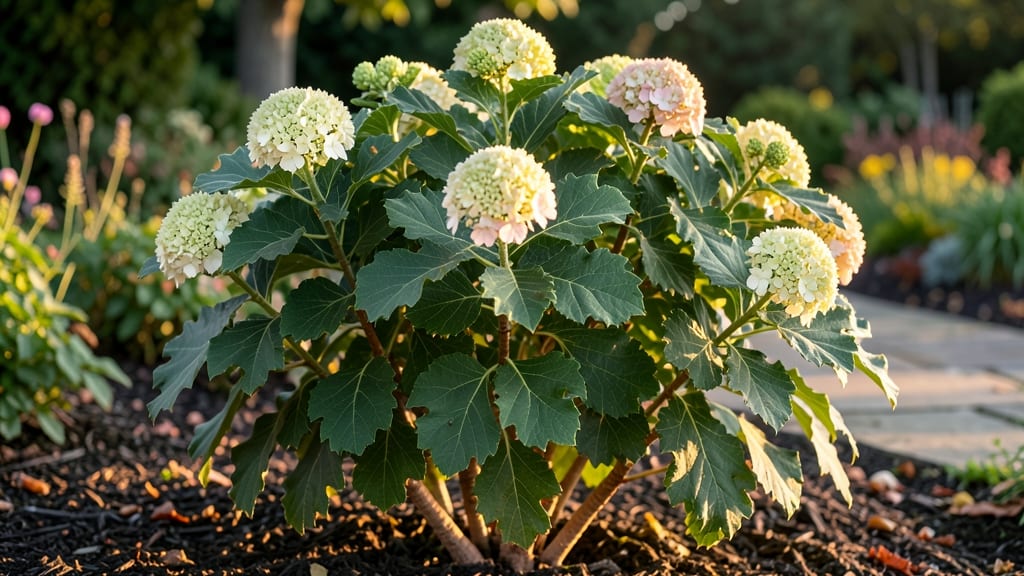
Oakleaf hydrangea flower care: pruning, watering, and soil secrets for vibrant blooms
The oakleaf hydrangea (Hydrangea quercifolia) is a shade garden superstar, offering year-round interest with its oak-shaped leaves and seasonal blooms.
But to unlock its full potential—from purple spring foliage to deep red fall hues—you need to master three critical care elements: pruning timing, watering techniques, and soil management. Let’s dive into the secrets that will transform your hydrangea from merely pretty to showstopping.
Most gardeners make one of two mistakes with oakleaf hydrangeas: pruning at the wrong time or overwatering. Both can stunt growth and reduce blooms.
The key is understanding that this plant blooms on old wood (last year’s growth) and new wood, giving you flexibility—but only if you time your cuts correctly. Meanwhile, soil pH isn’t just about flower color (though that’s a fun bonus); it directly impacts foliage vibrancy and disease resistance.
Let’s break it down so you can avoid common pitfalls and keep your hydrangea thriving.
🌿 Pro Tip: Oakleaf hydrangeas thrive in USDA Zones 5-9, but their care needs shift with the seasons. A seasonal care calendar will keep you on track—whether you’re in Zone 5’s harsh winters or Zone 9’s mild climate. Below, we’ll cover the essentials, but first, let’s tackle the most confusing part for beginners: pruning.
Pruning oakleaf hydrangeas is not a one-size-fits-all task. The late winter prune (February-March) is your chance to reset the plant for the season. Cut back 1/3 of the oldest stems to the ground—this stimulates new, vigorous growth and ensures larger blooms in summer.
Think of it as giving your hydrangea a haircut to reveal its best features. Avoid pruning in fall or early spring, as this can remove next year’s flower buds.
Summer pruning is all about maintenance and airflow. After your hydrangea finishes blooming (usually June-July), trim back any overcrowded or leggy branches to encourage compact growth. This step is crucial for preventing fungal diseases like powdery mildew, which thrives in dense, humid foliage.
A little deadheading (removing spent blooms) can also extend the flowering season by redirecting energy to new flowers.
When it comes to watering, oakleaf hydrangeas hate soggy roots but crave consistency. The secret is deep, infrequent watering—think 1-1.5 gallons per plant every 7-10 days for established shrubs. Newly planted hydrangeas need more frequent watering (every 3-5 days) to help roots establish.
Always water in the morning to reduce evaporation and prevent fungal issues. A 3-inch layer of mulch around the base retains moisture and protects roots from temperature swings.
Soil pH is where the magic happens for oakleaf hydrangeas. These plants are acid-lovers, and their foliage
How to extend oakleaf hydrangea color beyond summer: winter interest and year-round tricks
The oakleaf hydrangea's fiery fall foliage is a garden showstopper, but most gardeners let the color fade by winter. With the right techniques, you can preserve those stunning red and purple hues well into late fall—and even coax early spring color.
The secret lies in cultivar selection, strategic mulching, and smart pruning. Let's unlock your hydrangea's hidden seasonal potential.
First, choose the right oakleaf hydrangea cultivars for extended color. Varieties like 'Snow Queen' maintain creamy white blooms longer, while 'Pee Wee' offers compact size with reliable fall color. For maximum winter interest, select dwarf varieties like 'Little Suzie' that stay colorful even when covered in snow.
These selections naturally resist early color fade, giving you a head start on seasonal beauty.
Here's the key decision point: Should you prioritize fall foliage preservation or early spring color? Each approach requires different care techniques that directly impact your hydrangea's winter performance.
Fall Foliage Preservation vs Early Spring Color
Fall Foliage Preservation
- Pros: Vibrant fall colors last longer
- Pros: Less winter dieback
- Cons: May delay spring growth
- Cons: Requires more winter protection
Early Spring Color
- Pros: Faster spring emergence
- Pros: Less winter damage
- Cons: Fall colors fade sooner
- Cons: Requires strategic pruning
To preserve fall colors, apply a 4-6 inch layer of mulch around your hydrangea's base in early November. This acts like a thermal blanket, protecting roots from temperature fluctuations that cause color loss.
For extra protection in cold climates, wrap the base with burlap after the first hard frost. This simple technique can extend vibrant foliage color by 4-6 weeks into winter.
For early spring color, prune in late winter (February-March) to remove dead wood while preserving next year's blooms. Cut back one-third of the oldest stems to encourage new growth. This rejuvenation pruning stimulates fresh foliage that emerges 2-3 weeks earlier than unpruned plants.
Just avoid heavy pruning if you want to preserve fall foliage—it needs those stems to display color.
Don't forget about watering in fall. While you reduce frequency, give your hydrangea a deep watering every 2 weeks until the ground freezes. This hydrates roots for winter and prevents early color fade.
In drought-prone areas, consider installing a drip irrigation system on a timer for consistent moisture without overwatering.
With these techniques, your oakleaf hydrangea will reward you with year-round interest—from fiery fall foliage to early spring blooms. The key is balancing protection with growth stimulation at the right times.
Start with the right cultivar, then adjust your care based on whether you prioritize fall color or spring emergence. Your garden will thank you with extended seasonal beauty that keeps neighbors reaching for their cameras! 🌿