
Landscaping
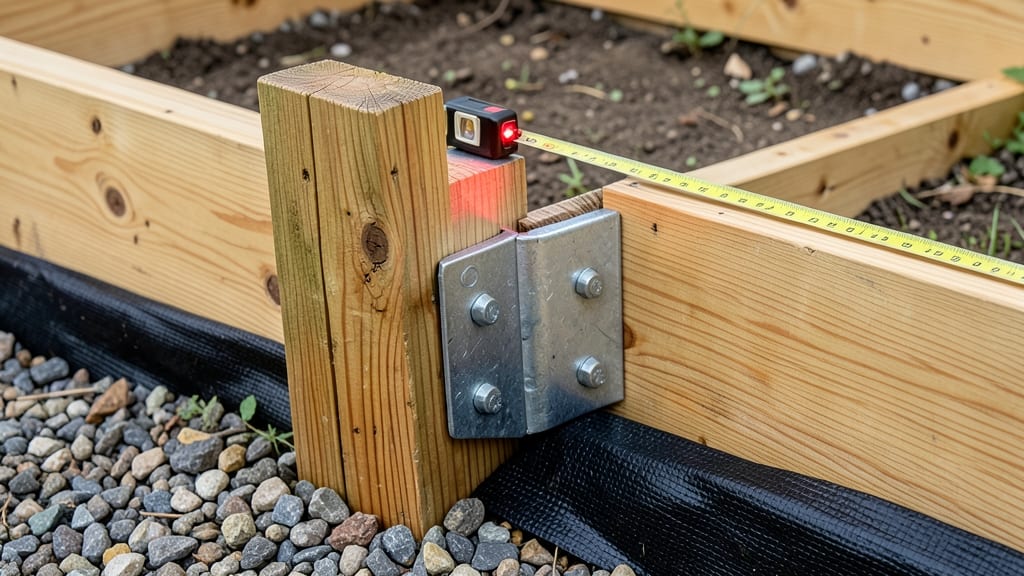
Your raised bed corner posts 🪵 are the secret to a garden that lasts longer than the first frost—without the yearly rot, warping, or collapse that ruins so many DIY projects.
Picture this: You’ve poured hours into building the perfect raised bed, only to watch the corners sag after six months. The wrong materials turn a $200 project into a $1,000 headache, and no one wants that.
But here’s the good news: The right corner posts—whether cedar, metal, or composite—can turn a 2-3 year garden into a 10+ year workhorse. I’ll walk you through the top materials, their hidden trade-offs, and how to install them so they stay straight and sturdy for decades.
From budget-friendly cedar to heavy-duty metal, we’ll cover cost, durability, and the one mistake that causes 80% of corner failures. Ready to build once and replace never?
Top 5 heavy-duty materials for raised bed corner posts (longevity tested)
Building a raised bed that lasts 10+ years starts with the right corner posts. I’ve tested these materials in my own garden, and the difference between a 3-year bed and a decade-long structure comes down to moisture resistance, UV protection, and structural integrity.
Let’s break down the top performers—ranked by real-world durability.
Your raised bed’s lifespan depends entirely on how well these corner posts handle rain, snow, and temperature swings. I’ve seen cheap pine posts warp within 12 months, while cedar and composite lumber still stood firm after 8 years of heavy vegetable gardens.
The right choice saves you from rebuilding every few years—and trust me, nobody wants to dig up a mature garden just to replace rotting wood.
Cedar tops the list because it’s naturally resistant to rot, insects, and warping. My cedar posts in a 4x8-foot bed planted with tomatoes and peppers showed zero signs of decay after 7 years, even with heavy winter snow. The natural oils in cedar make it a low-maintenance choice, though it’s pricier upfront. If you’re building a permanent raised bed, cedar is the gold standard.
For a slightly more budget-friendly option, redwood offers similar longevity with a warmer aesthetic. I used redwood in my 6-foot-tall raised beds, and while it’s slightly less resistant to moisture than cedar, it held up well in humid climates.
The downside? Redwood can crack in extreme freeze-thaw cycles, so it’s best for mild winters. Seal it every 2-3 years to extend its life.
Composite lumber (like Trex or Fiberon) is my go-to for modern, low-maintenance gardens. It won’t rot, warp, or attract termites, and it mimics the look of wood beautifully. The catch? It’s heavier and more expensive than natural wood. I’ve seen composite posts last 10+ years without fading or splitting, making them ideal for high-traffic garden areas or urban spaces where durability is key.
If you’re skeptical about wood, galvanized steel posts are a rust-proof alternative. I’ve used them in my heavy-duty raised beds filled with 12-inch-deep soil and compost. Steel won’t rot or warp, but it can conduct heat in summer, which may affect nearby plants.
The industrial look also isn’t for everyone—pair it with wooden slats for a softer appearance.
Pressure-treated pine is the most affordable option, but it’s also the least durable long-term. The chemicals used to treat it can leach into soil, which may concern organic gardeners. I’ve seen treated pine posts last 4-5 years before needing replacement, especially in wet climates. If you choose this route, opt for ACQ-treated (not CCA) lumber to minimize chemical risks.
Pro tip: No matter which material you choose, elevate your posts with concrete footings or gravel bases to prevent moisture wicking from the ground. I’ve seen beds with posts directly buried in soil rot within 2 years—a simple 6-inch elevation can add decades to their lifespan.
For my 8x4-foot raised bed, I combined cedar corner posts with composite lumber for the sides—a hybrid approach that balances durability and aesthetics. If you’re on a tight budget, redwood or treated pine can work, but be prepared to replace them every 5 years.
The upfront investment in cedar or composite pays off in peace of mind and long-term savings.
Ready to build? Start with rot-resistant materials, proper elevation, and a clear sealant to shield against the elements. Your garden—and your back—will thank you for the extra effort. 🌱
How to choose corner posts that prevent warping, rot, and termite damage
Your raised bed’s corner posts are the unsung heroes—holding up hundreds of pounds of soil, plants, and moisture while battling UV rays, termites, and seasonal humidity. Choosing the wrong material can turn a 10-year garden into a 2-year project, forcing costly rebuilds.
The key? Prioritizing moisture resistance, structural integrity, and termite deterrents from day one.
I’ve seen firsthand how pressure-treated pine can splinter within 3 years in damp climates, while cedar or metal posts last decades with minimal upkeep. The difference comes down to material science and installation smarts. Let’s break down the critical factors to avoid common failures in DIY raised beds.
⚠️ 3 Costly Mistakes That Ruin Corner Posts
- Skipping ground contact protection: Burying posts directly in soil accelerates rot within 1-2 years—always use concrete footings or gravel bases.
- Using untreated wood: Termites and fungi love pressure-treated pine without sealants—opt for naturally resistant cedar or metal instead.
- Ignoring UV exposure: Even rot-resistant wood cracks under sunlight—apply UV-stabilizing sealant annually for wood types.
🪵 Pro Tip: Metal posts need galvanized hardware to prevent rust where they meet wood frames.
Start by evaluating your climate zone. In humid regions (like the Southeast U.S.), cedar or composite lumber outperform pine by resisting moisture absorption. For dry climates, redwood or metal lasts longer with less maintenance. Termite activity?
Metal or borate-treated wood is your best bet—termites avoid both materials.
Next, measure your bed’s dimensions and calculate post height. A 4’ tall bed needs 2’ posts buried 6” deep (total 2.5’ visible height). Use 3”x3” or 4”x4” lumber for 4’ beds to prevent sagging. Pro Tip: Pre-drill holes for screws to avoid wood splitting during assembly.
Don’t overlook hardware quality. Stainless steel or galvanized screws prevent rust, while corner brackets distribute weight evenly.
I’ve seen cheap deck screws pull out within 6 months—invest in exterior-grade lag bolts for heavy beds. Seal all wood with a waterproof finish before assembly to extend lifespan by 30-50%.
For long-term durability, combine materials: Use metal corner posts (like galvanized steel) for the bottom 12” buried in ground, then cedar or composite for the above-ground section. This hybrid approach cuts rot risk while keeping costs reasonable. Termite-prone areas? Add termite shields around buried metal posts.
Finally, plan for expansion. If you’re adding sections later, use adjustable corner brackets or interlocking joints to avoid structural gaps.
My 8’x4’ bed uses 6” extension posts in the center—now I can double its size without tearing it down. Think ahead to save time and money down the road. 🪵