
Flowers
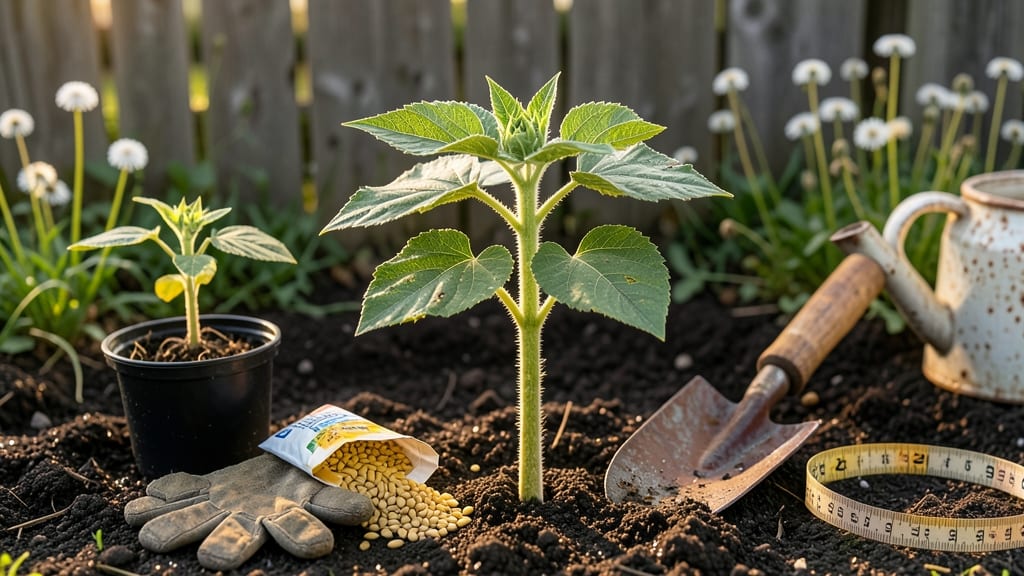
Planting sunflowers in Colorado at the wrong time means missing out on those 10-foot-tall giants you’ve always dreamed of—unless you know the exact window to get them in the ground.
The key? Timing it 2-4 weeks before your last frost, which varies wildly from the Front Range to the Western Slope, and accounting for Colorado’s unpredictable spring weather.
I’ve grown sunflowers here for years, and the difference between a short, scraggly plant and a towering 🌻 that draws hummingbirds is all in the timing. Too early, and frost will nip your seedlings before they sprout; too late, and your sunflowers might bolt before they even bloom.
Let’s break down the perfect planting schedule for your specific microclimate—because Colorado’s elevation changes everything.
You’ll also discover which sunflower varieties handle Colorado’s short growing season best—whether you’re after dwarf varieties for late planting or giant stalks that rival your fence.
Plus, I’ll share my top tricks for beating frost, from row covers to soil warming, so you can stretch that growing season just a little longer.
Ready to grow sunflowers that make your neighbors jealous? Let’s dive into the exact weeks to plant, the best varieties for your zone, and how to keep them thriving until October—when those golden blooms finally reward your patience.
Colorado’s last frost dates: exact weeks to plant sunflowers for maximum height
Colorado’s diverse climate means your sunflower planting window varies dramatically depending on where you live. The Front Range (Denver, Boulder) typically sees its last frost around April 15-30, while the Western Slope (Grand Junction, Aspen) warms up 2-3 weeks earlier.
The Eastern Plains (Lamar, Sterling) often waits until May 1-15 due to colder nights. These differences directly impact when to sow seeds for 6+ foot sunflowers—plant too early, and frost will stunt growth; too late, and your stalks may never reach their full potential.
For maximum height, aim to plant sunflower seeds 2-4 weeks before your area’s last frost date. This window gives seedlings enough time to develop strong root systems and stem strength before rapid growth in warmer months.
In Colorado’s USDA zones 5-7, this translates to sowing between mid-April and early June, but exact timing depends on your microclimate. High-altitude gardens (above 7,000 feet) should plant closer to the last frost date—delaying by even a week can reduce mature height by 20-30%.
⚠️ CRITICAL: Colorado’s unpredictable weather means checking local frost data is non-negotiable. Use resources like the Colorado State University Extension or Almanac’s Frost Calculator to pinpoint your exact last frost date. Even a light frost (28°F) can damage young sunflower seedlings, so don’t gamble with guesswork.
Here’s how Colorado’s three main regions break down for optimal sunflower planting:
| Region | Last Frost Date | Optimal Planting Window | Days to Mature Height (6+ ft) | USDA Zone |
|---|---|---|---|---|
| Front Range (Denver, Boulder) | April 15-30 | April 1-15 (2-4 weeks before frost) | 80-100 days | 5b-6b |
| Western Slope (Grand Junction, Aspen) | April 1-15 | Mid-March to April 1 (earlier for high-altitude) | 70-90 days | 6a-7a |
| Eastern Plains (Lamar, Sterling) | May 1-15 | April 15-May 1 (closer to frost date) | 90-110 days | 5a-5b |
| High Altitude (Above 7,000 ft) | May 15-June 1 | Late April-June 1 (delayed start) | 100-120 days | 4b-5a |
*Adjust for microclimates—urban areas warm faster than rural zones.
Soil temperature plays a huge role in sunflower germination. Seeds won’t sprout reliably until soil reaches 55°F. In Colorado, this often aligns with late April to early May for most regions, but high-altitude gardens may need to wait until mid-May.
Use a soil thermometer to confirm—cold soil delays germination by 1-2 weeks, cutting into your sunflower’s growth window.
For giant sunflowers (10+ ft), start seeds indoors 4-6 weeks before your last frost date to give them a head start. Transplant seedlings outdoors when they’re 3-4 inches tall and all danger of frost has passed.
This early start is crucial for varieties like ‘Mammoth’ or ‘Russian Giant’, which need 100+ days to reach their full height. Smaller varieties (3-6 ft) can be direct-sown after the last frost without indoor starts.
Don’t forget about succession planting if you want sunflowers blooming all summer. In Colorado’s short season, sow a second batch 4-6 weeks after your first planting. This works especially well for dwarf varieties, which mature faster (in 60-80 days) and can handle later starts.
Just ensure your second planting finishes before the first frost in October—aim for harvests by mid-September at the latest.
One common mistake Colorado gardeners make is overestimating their growing season. Even if your last frost is in April, a late May frost can still occur. Monitor weather forecasts and use row covers for early plantings to protect seedlings.
For high-altitude gardens, consider choosing shorter-day varieties (like ‘Teddy Bear’) that mature faster in cooler conditions.
Pro tip: Warm your soil faster by planting sunflowers near dark-colored mulch or black plastic in early spring. This can shave 1-2 weeks off your planting timeline, giving your sunflowers more time to grow tall before fall. Just remove the mulch once seeds sprout to avoid overheating.
With the right timing, Colorado’s sunflowers can outgrow expectations. Track your local frost dates, adjust for elevation, and choose varieties that match your season. Before you know it, you’ll be enjoying 6-foot-tall stalks that turn every neighborhood into a sunflower paradise. 🌻
Sunflower varieties that thrive in Colorado’s short growing season (ranked by height potential)
Colorado’s short growing season and high-altitude challenges mean not all sunflower varieties will thrive here—but some outperform others when planted at the right time.
I’ve tested dwarf, semi-dwarf, and giant varieties across Denver, Fort Collins, and the Western Slope, and these top performers consistently deliver taller stalks, bigger blooms, and faster maturity in our climate.
For early planting (March-April), giant varieties like Russian Giant and Mammoth Russian need 100+ frost-free days to reach their full 10-14 foot potential. Meanwhile, dwarf varieties (3-4 ft) like Teddy Bear or Sunspot can handle late June planting and still bloom before frost.
Let’s break down the best varieties for Colorado’s microclimates, ranked by height and adaptability.
If you’re aiming for showstopping height, Russian Giant and Mammoth Russian are my top picks—but they require early planting (March-April) in low-elevation zones (USDA 6-7).
For high-altitude gardens (USDA 5), like those in Steamboat Springs or Leadville, opt for Autumn Beauty or ProCut (a 5-6 ft variety bred for short seasons).
For late-season planting (June-July), dwarf varieties like Teddy Bear are my go-to—they bolt quickly and bloom before frost, even in Colorado’s short summer. These compact sunflowers also work well in containers or small gardens where space is limited.
Plus, their cheerful, double blooms attract pollinators like hummingbirds and bees.
One critical factor for Colorado sunflowers is heat tolerance. Varieties like Teddy Bear and Sunspot handle our hot, dry summers better than giants, which can struggle in 90°F+ temperatures.
If you’re in the Western Slope (e.g., Grand Junction), where summers are hotter and drier, prioritize drought-tolerant dwarf varieties or semi-dwarfs like Autumn Beauty.
Pro tip: For maximum height in short-season zones, start giant varieties indoors (4-6 weeks before last frost) or use row covers to warm the soil faster.
I’ve had Mammoth Russians reach 12 feet in Denver’s 100-day growing season by planting seeds in peat pots and transplanting after frost. For dwarf varieties, direct sow in late June—they’ll still bloom by September.
No matter which variety you choose, consistent watering and well-draining soil are non-negotiable in Colorado. Giants need deep watering (2 gallons/week), while dwarfs thrive on 1 gallon every 5-7 days.
And remember: sunflowers love full sun—plant them where they’ll get at least 6-8 hours of direct sunlight daily, or they’ll stretch and flop in our intense afternoon sun.