
Plants
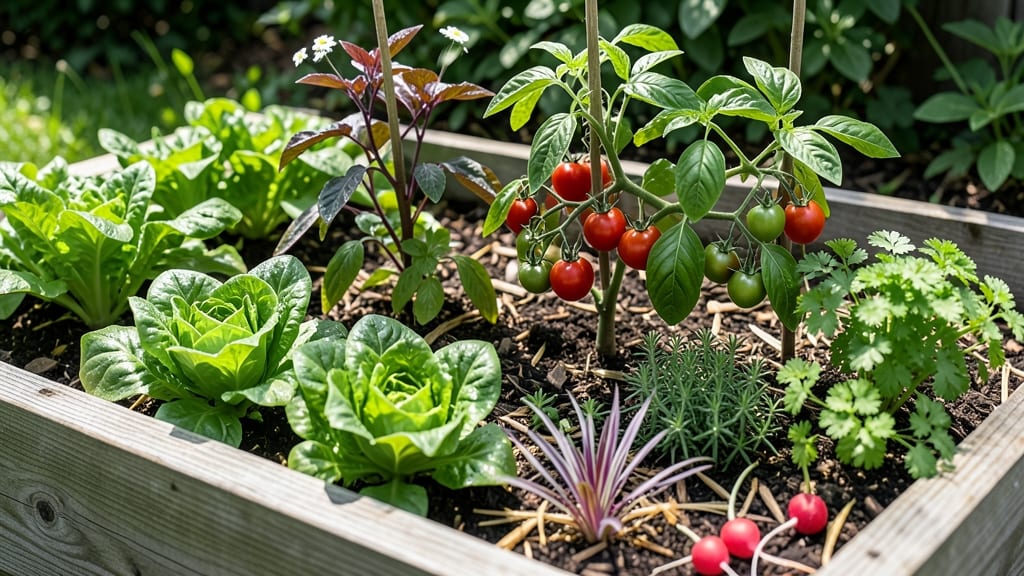
My raised garden bed plants transform a small space into a high-yield harvest zone—even when my neighbors' in-ground gardens struggle. 🌱 The secret isn’t fancy tools or perfect timing; it’s choosing the right plants that thrive in contained soil, with roots that won’t outgrow their home.
Start with fast-growing greens like lettuce and spinach for early harvests, then add compact tomatoes and bush beans for summer abundance. Herbs like basil and thyme fit perfectly in gaps, while flowers like marigolds deter pests naturally.
The key is matching plant needs to your bed’s size—no more wasted space or crowded roots. By midseason, you’ll be snipping fresh herbs, picking ripe tomatoes, and watching flowers bloom without bending over. The soil stays loose, drainage is effortless, and weeds?
Almost nonexistent. This is gardening that actually fits into your life. Works for small patios, urban balconies, or backyard plots—just adjust plant spacing. Here’s how to pick the perfect lineup for your bed!
📚 In This Guide
- What you need
- Instructions
- Tips and common mistakes
- Wrapping up and next steps
What you need
- ● Wood or composite lumber: 2–4 boards (2×6 or 2×8, untreated cedar or redwood preferred; avoid pressure-treated wood if growing edibles). Dimensions: ~4 ft long × 8–12 ft total length (adjust for bed size).
- ● Corner brackets or screws: Galvanized or stainless steel (4–8 pieces, depending on bed size).
- ● Landscape fabric: 1 roll (3–4 ft wide, breathable mesh).
- ● Quality soil: 1–2 cubic yards of mix of topsoil, compost, and perlite/sand (60:30:10 ratio). Pre-mixed raised bed soil is a shortcut!
- ● Mulch: Straw, wood chips, or shredded leaves (1–2 bags).
- ● Plants: Seedlings or seeds (choose compact, shallow-rooted varieties like lettuce, herbs, or dwarf tomatoes).
- ● Measuring tape and level (for even assembly).
- ● Drill/driver + screwdriver bits (or pre-drilled wood).
- ● Shovel or garden fork (for soil prep).
- ● Wheelbarrow (to haul soil/mulch).
- ● Gloves and knee pads (for comfort!).
- ● Drip irrigation kit (for hassle-free watering).
- ● Thermometer/hygrometer (to monitor soil temp/moisture).
- ● Plant markers (or DIY sticks + paint).
- ● Solar lights (for evening garden vibes!).
Step-by-Step guide to selecting and planting raised garden bed plants
Here's how to choose the right plants and establish a thriving raised bed with minimal fuss.
🌱 Step 1: Choose Plants Based on Your Climate and Season
Select plants suited to your USDA hardiness zone and the current season. Cool-season crops like kale, spinach, and peas thrive in spring and fall, while warm-season favorites such as tomatoes, peppers, and basil need summer's warmth. I always check the seed packet for days to maturity—this tells me when to plant for a continuous harvest.
For year-round production, layer plants with staggered maturity times. For example, plant fast-growing radishes alongside slower-growing carrots so you're never without fresh produce. In raised beds, you can extend the season by using cold frames or row covers during early spring or late fall.
☀️ Step 2: Plan Your Layout for Optimal Sunlight and Growth
Most vegetables need 6-8 hours of direct sunlight daily, so position your raised bed where it gets full sun exposure. Arrange taller plants like corn or sunflowers on the north side of the bed to avoid shading shorter crops. I sketch a rough layout before planting, grouping plants with similar water and sunlight needs together.
Consider companion planting to maximize space and deter pests. For instance, basil planted near tomatoes repels pests and improves flavor. Leave 12-18 inches between plants that spread widely, like squash, and 6-12 inches for smaller varieties like lettuce or radishes. This spacing prevents overcrowding and makes harvesting easier.
💧 Step 3: Prepare the Raised Bed for Planting
Fill your raised bed with a mix of topsoil, compost, and perlite to create a loose, nutrient-rich growing medium. I like to add a 2-3 inch layer of compost at the bottom to feed roots as they grow. Avoid garden soil alone—it compacts easily and drains poorly in raised beds.
Water the bed thoroughly 24 hours before planting to settle the soil and ensure even moisture. This prevents dry pockets where roots might struggle. If your bed is new, let it sit for a few days after filling to allow the materials to integrate and stabilize. You'll know it's ready when the surface feels uniformly damp but not soggy.
🌿 Step 4: Plant with Care and Maintain Proper Spacing
Dig holes slightly larger than the root balls of your transplants or follow seed packet depth guidelines. Place each plant gently into its hole, ensuring the soil line matches the bed's surface. For seeds, I use my finger to create small furrows at the correct depth—usually twice the seed diameter—and space them according to the packet instructions.
After planting, water deeply to settle the soil around roots. Avoid overhead watering, which can dislodge seedlings or spread disease. Instead, use a watering wand or soaker hose to deliver moisture directly to the base. Mulch with 2-3 inches of straw or shredded leaves to retain moisture and suppress weeds.
✂️ Step 5: Monitor and Maintain for Long-Term Success
Check your raised bed daily for signs of stress, like wilting leaves or yellowing foliage. These are often early warnings of overwatering, underwatering, or nutrient deficiencies. I keep a small notebook nearby to track watering schedules and note any issues—this helps me adjust care as the season progresses.
Fertilize every 4-6 weeks with a balanced organic fertilizer to keep plants thriving. Raised beds drain quickly, so they require more frequent feeding than in-ground gardens. Harvest regularly to encourage continuous production, and always pull weeds as soon as they appear to prevent competition for nutrients.
Tips & tricks for perfect raised garden bed planting
Took me years to figure out these game-changers for thriving raised beds—here's how to avoid the most common pitfalls.
Seasonal Layering Strategy: In Step 1, when planning your cool-season/warm-season layering, I recommend adding a third "transition" crop like spinach or arugula between spring and fall. These fast growers (20-30 days to maturity) bridge the gap when summer crops are winding down but winter plants aren't ready yet. The key is to plant them when soil temps hit 45°F—use a soil thermometer to track this transition point.
Sunlight Optimization: For Step 2's sunlight planning, here's what nobody tells you—your raised bed's height affects sun exposure. Beds taller than 12 inches create microclimates where bottom plants may receive only 4-5 hours of direct light. Solution: place sun-loving crops like tomatoes on the south side of taller beds, and shade-tolerant greens on the north side. I also rotate my bed every 3-4 weeks to ensure even sun exposure across all plants.
Soil Prep Shortcut: When preparing your bed in Step 3, skip the 24-hour pre-watering if you're using coconut coir or peat-based mixes—they already retain moisture well. Instead, water thoroughly the night before planting, then add 1 cup of perlite per square foot to improve drainage. This two-step method prevents both waterlogging and dry pockets that can stunt root growth.
Companion Planting Pro Tip: In Step 2, when arranging your basil-tomato pair, add a third companion: marigolds. Plant them at the bed's corners—their strong scent repels nematodes while attracting beneficial insects. The secret spacing is 12 inches apart from tomatoes and 6 inches from basil, creating a pest-proof triangle that maximizes all three plants' benefits.
Pro Tips for Raised Garden Bed Plants
- Took me years to figure out these game-changers for thriving raised beds—here's how to avoid the most common pitfalls.
- Seasonal Layering Strategy: In Step 1, when planning your cool-season/warm-season layering, I recommend adding a third "transition" crop like spinach or arugula between spring and fall.
- Sunlight Optimization: For Step 2's sunlight planning, here's what nobody tells you—your raised bed's height affects sun exposure.
Frequently asked questions
Got questions about maximizing your raised garden bed plants? You’re not alone! Here are answers to the most common concerns—from setup to harvest—to help you grow like a pro.
What are the best plants for beginners in a raised bed?
Start with low-maintenance, fast-growing varieties like lettuce, radishes, green beans, or cherry tomatoes. Herbs (basil, parsley) and leafy greens (spinach, kale) thrive in raised beds with minimal fuss. Avoid deep-rooted plants like corn unless your bed is extra tall (12"+). Pro tip: Choose compact varieties to save space!
When is the best time to plant in a raised bed?
For spring planting, wait until the soil warms to 50–60°F (use a soil thermometer). In cooler climates, start 6–8 weeks before the last frost with cold-hardy crops (peas, spinach). For fall/winter, plant heat-tolerant veggies (kale, carrots) 8–10 weeks before first frost. Year-round tip: Extend seasons with row covers or cold frames!
How often should I water raised garden bed plants?
Raised beds dry out faster than ground soil! Water deeply 2–3 times per week (or daily in extreme heat) to encourage root growth. Aim for 1–1.5 inches of water per week, and water in the morning to reduce evaporation. Drip irrigation or soaker hoses work best—avoid overhead watering to prevent disease.
What’s the easiest way to deal with pests in a raised beds?
Prevent pests with healthy soil (compost + mulch) and crop rotation. For common bugs (aphids, slugs), try:
- Neem oil (spray on leaves)
- Row covers (physical barrier for cabbage moths)
- Handpick (slugs at night with a flashlight!)
- Beneficial insects (ladybugs for aphids)
Pro tip: Avoid synthetic pesticides—they can harm soil microbes!
Can I use a raised bed without soil? What are my alternatives?
Yes! Try these soil-free options:
- Hydroponics: Use a deep-water culture (DWC) system with nutrient-rich water.
- Coco coir + perlite: A lightweight mix for fast drainage (great for herbs).
- Straw bales: Pre-moistened bales grow lettuce, spinach, or radishes in 30 days!
Note: Soil-free methods require frequent nutrient checks (use liquid fertilizers).
Wrapping up and next steps
Raised garden beds are your secret weapon for effortless, year-round greenery—whether you're a seasoned gardener or just starting out! 🌱 By choosing the right plants, optimizing soil, and leveraging smart designs, you can enjoy a thriving garden with minimal fuss.
The key? Start small, stay consistent, and let nature do the heavy lifting.
Ready to dive in? Pick one plant or project from this guide and begin your raised bed journey today—your future self (and hungry pests) will thank you!