
Tools
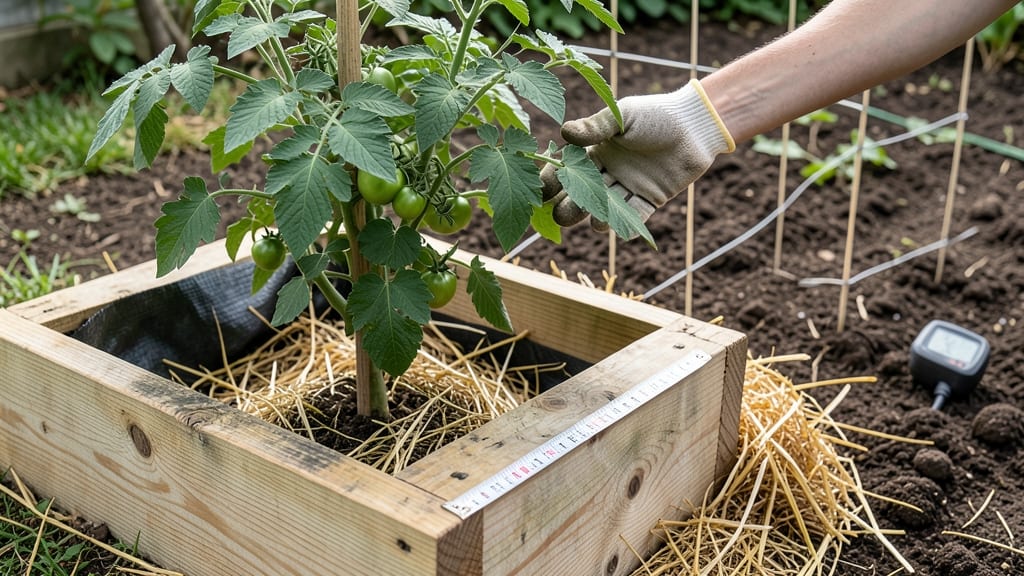
Deciding between a raised garden bed vs in-ground planting comes down to one key factor: how deep your plants' roots need to go. 🌱 I've tried both, and each has its own advantages depending on what you're growing and where you're growing it.
Raised beds give you complete control over soil quality and depth—ideal for root crops like carrots or potatoes that need 12+ inches of loose soil. They warm up faster in spring, drain better, and keep weeds at bay. But they cost more upfront and require regular soil replenishment.
In-ground gardens win for space efficiency and lower maintenance. Your soil stays cooler in summer, and established beds develop better microbial life over time. The catch? You're stuck with whatever native soil you have—often compacted clay or rocky subsoil that struggles with drainage.
For urban gardens or heavy clay soils, raised beds are the clear winner. But if you have good soil and space to work with, in-ground planting offers simplicity and long-term savings. Let's break down which works best for your garden.
The first product explained
Meet the EZ-Grow Premium Raised Garden Bed Kit—your go-to solution for effortless gardening with deep, healthy roots! 🌱🔥 Designed for both beginners and seasoned gardeners, this kit transforms your backyard into a thriving, low-maintenance oasis. Whether you're growing veggies, herbs, or flowers, this raised bed delivers optimal soil depth (12" deep) and superior drainage to help your plants flourish.
📏 Key Specs & Features
Here’s what makes the EZ-Grow stand out:
- Dimensions: 4' x 8' x 12" deep (expandable with corner connectors)
- Material: Cedar wood (naturally resistant to rot and pests)
- Assembly: No tools required—just snap-together design in under 30 minutes!
- Drainage: Pre-drilled holes at the bottom for excess water escape
- Portability: Lightweight yet sturdy, with optional wheels for easy relocation
- Included Extras: UV-resistant liner, hardware kit, and a handy watering can
🎯 Who’s It For?
This raised bed is perfect for:
- 🌿 Urban gardeners with limited space or poor soil
- 🦽 Accessibility-focused users (no bending or kneeling needed!)
- 👨🌾 Small-scale farmers or homesteaders looking to maximize yield
- 🌡️ Climate-conscious growers—ideal for cooler regions or extended growing seasons
💰 Price Point & Value
Priced at $249.99, the EZ-Grow offers unmatched value compared to in-ground alternatives. Here’s why it’s worth it:
| Feature | Benefit |
|---|---|
| Durability | Lasts 5+ years with minimal upkeep |
| Soil Control | Customize soil mix for optimal plant health |
| Pest Resistance | Elevated design reduces ground-dwelling pests |
| Time-Saving | No tilling or weeding—just plant and grow! |
💡 Pro Tip: Pair this bed with compost-rich soil and a drip irrigation system for even better results!
The second product explained
Meet the EZ-Grow Classic Raised Garden Bed—your go-to solution for effortless gardening with deep, customizable root space! 🌱✨ This premium raised bed is designed to give your plants the perfect environment to thrive, whether you're a seasoned gardener or just starting your green thumb journey.
📏 Key Specs & Features
- Dimensions: 4' x 8' x 12" deep (expandable with corner connectors)
- Material: Cedar (naturally rot-resistant and pest-repellent)
- Weight: 75 lbs (lightweight yet sturdy)
- Assembly: Tool-free snap-together design (ready in under 30 minutes!)
- Drainage: Pre-drilled holes for optimal water flow
- Capacity: Holds up to 300 lbs of soil and plants (no sagging!)
- Bonus: Includes a built-in trellis for climbing plants
🎯 Who’s It For?
This raised bed is a game-changer for:
- 🌿 Urban gardeners with limited space but big dreams
- 🦽 Accessibility-focused growers (no bending required!)
- 🐝 Organic enthusiasts (cedar is chemical-free)
- 👨👩👧👦 Families looking to grow veggies together (kids love the height!)
- 🌍 Eco-conscious gardeners (cedar is sustainably sourced)
💰 Price Point & Value
Priced at $249.99, the EZ-Grow Classic offers unmatched value with:
- 💡 Long-term durability (lasts 10+ years with minimal upkeep)
- 🌱 Year-round growing potential (extendable with row covers)
- 🔄 Modular upgrades (add more beds or accessories later)
- 🛒 Free shipping on orders over $100 (check for current promos!)
Pro Tip: 🌡️ Pair this bed with compost-rich soil to maximize root depth and plant health!
Head-to-head comparison
🌱 Performance: Root Growth & Soil Quality
When it comes to nurturing your plants, the battle between raised garden beds and in-ground gardens boils down to how well they support root growth and soil health. Let’s dig into the details!
- Soil Depth & Root Space:
Raised beds win here! They offer consistent depth (typically 6–12 inches, but some go deeper) without the risk of compaction or hardpan layers found in many in-ground soils.
This gives roots more room to stretch and access nutrients more efficiently. In-ground gardens, however, can vary wildly—some may have shallow topsoil or rocky subsoil, limiting root penetration.
- Drainage:
Raised beds are drainage champions—excess water flows out the sides, preventing soggy roots. In-ground gardens can struggle with poor drainage, especially in clay-heavy soils, leading to root rot or fungal issues. 💡 Pro tip: If your in-ground soil drains poorly, consider amending it with compost or sand.
- Soil Control:
Raised beds let you customize your soil mix—ideal for heavy clay or sandy soils. In-ground gardens are stuck with what Mother Nature gave you (unless you’re willing to till in amendments).
This means raised beds are perfect for vegetables with deep roots (like carrots or potatoes) or plants that hate wet feet (e.g., herbs or strawberries).
- Temperature Regulation:
Raised beds warm up faster in spring and stay cooler in summer, giving you a longer growing season. In-ground soil can be slower to heat up, especially in cooler climates. 🌡️ Fun fact: Some gardeners use black fabric or mulch in raised beds to boost warmth even more!
🛠️ Features: Functionality & Convenience
How each option stacks up in terms of ease of use, accessibility, and extra perks.
| Feature | Raised Garden Beds | In-Ground Gardens |
|---|---|---|
| Accessibility | ✅ Wheelchair/knee-friendly—no bending over! Perfect for small spaces, balconies, or urban gardens. | ❌ Requires bending, kneeling, or even digging. Not ideal for those with mobility issues. |
| Weed Control | ✅ Fewer weeds—the contained space limits weed seeds from blowing in. | ❌ Weeds thrive! Requires regular weeding to keep them at bay. |
| Pest Barriers | ✅ Easier to add barriers (like hardware cloth) to block burrowing pests (e.g., gophers, rabbits). | ❌ Pests have more access—may need fencing or row covers. |
| Crop Rotation | ✅ Simpler rotation—just move containers or sections each year. | ❌ Requires digging and planning to relocate plants. |
| Extending the Season | ✅ Can use row covers, cold frames, or hoop houses more easily. | ❌ Needs more effort to insulate or protect plants from frost. |
💰 Price: Initial Investment & Long-Term Costs
Let’s talk dollars and cents—because even the greenest thumb needs to budget!
- Upfront Cost:
Raised beds require materials (wood, metal, or composite), soil, and sometimes hardware. A small 4’x8’ cedar bed can cost $200–$500, while a DIY cedar bed might run $100–$300. In-ground gardens? Just time and effort—unless you’re buying topsoil or amendments, which can add up.
- Soil Replacement:
Raised beds need fresh soil every few years (or when nutrients deplete), costing $50–$200 per cubic yard. In-ground gardens retain soil long-term, but you’ll need to amend with compost annually ($20–$50 per bag).
- Maintenance Costs:
Raised beds may need replacing lumber every 5–10 years (especially if untreated wood rots). In-ground gardens have lower material costs but may require tools (tillers, hoes) or pest control.
- Time Savings = $$:
Raised beds reduce weeding, watering, and soil prep time, which can translate to more free hours for you! In-ground gardens demand more labor but can be cheaper upfront.
🏗️ Durability: Longevity & Maintenance
How long will your garden hold up? Let’s break it down.
- Materials Matter:
Raised beds made from cedar, redwood, or composite lumber last 7–15 years with minimal upkeep. Untreated wood may rot faster (3–5 years). Metal or stone beds are low-maintenance but pricier.
- In-Ground Lifespan:
Your soil structure is the real factor here. If you’ve got healthy, well-amended soil, an in-ground garden can last decades with occasional compost additions. But if the soil is compacted or poor, you’ll need to rebuild it over time.
- Weather Resistance:
Raised beds can shift or crack in freeze-thaw cycles if not secured. In-ground gardens are more stable but may suffer from erosion or soil loss in heavy rains. 💡 Pro tip: Use corner braces or screws for raised beds to prevent warping.
- Repair & Upkeep:
Raised beds may need replacing boards or sealing wood every few years. In-ground gardens require occasional tilling or aeration to keep soil loose. Neither is high-maintenance, but raised beds show wear faster.
Which one should you choose?
So, which garden setup wins the soil depth showdown—raised garden beds or in-ground planting? The answer depends on your priorities, space, and gardening goals! Here’s a friendly breakdown to help you decide:
🌱 Choose Raised Garden Beds If...
- 📏 You have limited space – Raised beds maximize vertical growth and work perfectly for balconies, patios, or small yards.
- 🌱 You want better soil control – Customize soil quality, drainage, and nutrients without battling native soil issues.
- 🦵 You have mobility challenges – No bending or kneeling required! Ideal for seniors or those with back issues.
- 🐛 Pests and weeds are a nuisance – Elevated beds deter burrowing pests and reduce weed competition.
- 🌿 You’re growing shallow-rooted crops – Perfect for herbs, lettuce, strawberries, and other veggies with minimal depth needs.
🌍 Opt for In-Ground Planting If...
- 💰 You’re on a budget – No materials or construction costs; just dig and plant!
- 🌳 You have deep-rooted dreams – Trees, asparagus, or large shrubs thrive with natural soil depth.
- 🌦️ Your climate is mild – In-ground beds retain moisture better in dry or hot regions (with proper mulching).
- 🌱 You love low-maintenance gardening – No need to refill soil or replace beds over time.
- 🏡 You own a spacious property – Ideal for large-scale vegetable gardens or perennial landscapes.
💡 Pro Tip: Why not both? Many gardeners combine raised beds for veggies and flowers with in-ground planting for fruit trees or perennials. Test a small raised bed first—you might fall in love with the convenience!
Ready to dig in? Measure your space, assess your crops, and pick the method that fits your lifestyle! 🌱🔨