
Plants
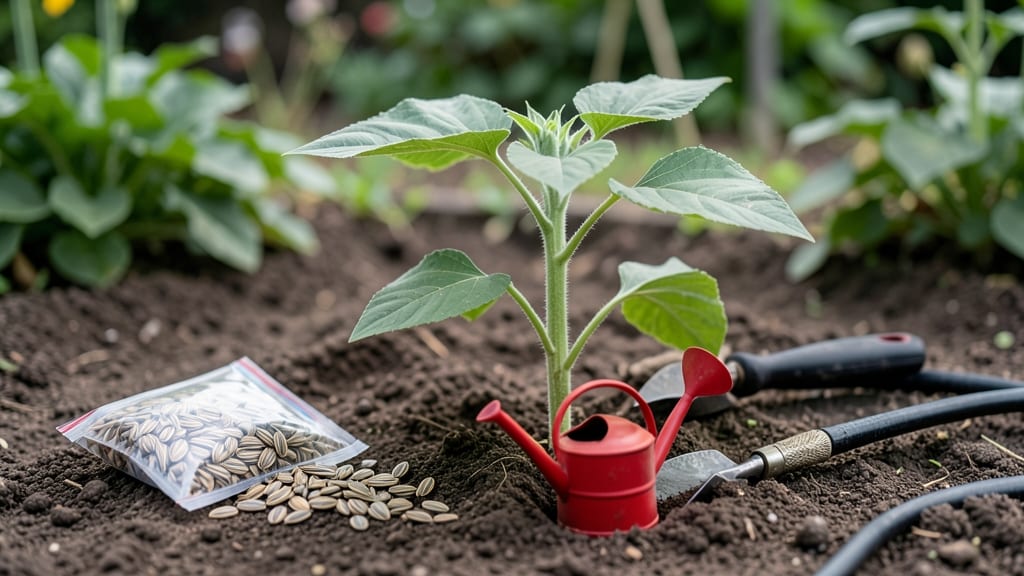
Planting sunflower seeds in Tennessee at the wrong time can turn your 🌻 dreams into droopy disappointment—because these giants demand warmth to sprout fast.
The key isn’t just checking a calendar; it’s waiting for soil temperatures to hit 50°F or higher, a threshold most gardeners miss until it’s too late.
In zones 6a-7b, your best window runs from mid-April to early June, but timing varies wildly between Nashville’s urban heat islands and the cooler mountain valleys of East Tennessee.
Plant too early, and your seeds will rot in cold soil; too late, and you’ll miss the 165 frost-free days sunflowers need to reach their towering potential.
I’ll show you exactly how to read your soil’s temperature cues—no fancy tools required—and adjust your planting schedule for your specific corner of the state. Whether you’re sowing directly or starting indoors, these tricks will give your sunflowers the fast start they crave.
Ready to grow sunflowers that rival your neighbors’? Let’s dive into the science behind Tennessee’s planting windows and the simple tests that’ll tell you when it’s truly time to plant.
Tennessee’s ideal sunflower planting timeline by region (soil temp guides)
Sunflowers love Tennessee’s long growing season, but getting the timing right varies dramatically across the state. East Tennessee’s cooler mountains need a different approach than West Tennessee’s warmer valleys. The key factor? Soil temperature—sunflower seeds need at least 50°F soil to sprout reliably.
Planting too early in chilly soil leads to rot, while waiting too late cuts your harvest window.
I’ve broken down the best planting windows by region, using last frost dates and soil warmth triggers from cities like Chattanooga, Nashville, and Memphis. Pro tip: Use a soil thermometer (or the "earthworm test"—if they’re active, it’s warm enough!).
In East Tennessee, cities like Knoxville often see frost until mid-April, so I wait until late April to plant. The Great Smoky Mountains can be 5-10°F cooler than valleys, so check microclimates—plant 2 weeks later in higher elevations.
For Middle Tennessee, Nashville’s 55°F soil typically arrives by early April, giving a longer window.
West Tennessee shines for early plantings—Memphis gardeners can start as early as late March if soil hits 50°F. The Mississippi River valley warms fastest, but watch for late spring frosts (they do happen!). I’ve seen sunflowers planted in early April survive with row covers if nights dip below 32°F.
For all regions, direct sowing is best—sunflowers hate transplanting. Drop seeds 1 inch deep, 6 inches apart, and thin to 12-18 inches when seedlings emerge. In West Tennessee, you can even squeeze in a fall planting (late July) for late-season blooms, but soil must stay above 50°F.
One mistake I see often? Planting based on air temperature instead of soil temperature. A 70°F day with 45°F soil will still rot seeds. Use a meat thermometer (they’re cheap!) or press your hand into the soil—if it feels cold to your knuckles, wait a few days.
Sunflowers need full sun (6+ hours daily), but in Tennessee’s humidity, afternoon shade helps prevent powdery mildew. If your garden gets intense afternoon sun (common in West TN), mulch heavily to retain moisture. I use straw mulch—it keeps soil cool and reduces weeds.
Remember: Harvest time depends on variety. Dwarf varieties like ‘Teddy Bear’ mature in 50-60 days, while giants like ‘Russian Giant’ take 100-120 days. In East Tennessee, aim for early-maturing varieties to avoid early fall frosts shortening your season.
Pro tip for urban gardeners: Container-grown sunflowers in Nashville’s downtown can bloom 2 weeks earlier than ground-planted ones because urban heat islands warm soil faster. Just ensure containers have drainage holes—sunflowers hate soggy roots.
🌻
How to test soil warmth for sunflower success (DIY methods)
Sunflowers won’t sprout until your soil hits 50°F or warmer, and guessing wrong can mean wasted seeds or stunted growth. The good news? You don’t need a fancy soil thermometer to check—just a few simple tricks from your garden toolkit.
I’ve used these methods for years in my Tennessee garden, and they’ve saved me from countless disappointments when planting too early.
Start by testing your soil’s readiness using these three reliable methods: a thermometer, natural indicators, or even your own hands. Each method gives you actionable insights without breaking the bank.
For example, if you’re in Nashville’s urban heat islands, your soil might warm up faster than in the cooler Appalachian foothills—so local testing is key.
🌡️ Step-by-Step Soil Warmth Test
-
1. Use a Soil Thermometer
Insert the thermometer 2-3 inches deep in full sun, where you plan to plant. Check readings at 10 AM for accuracy—this is when soil temps peak. Aim for 50°F+ for sunflower success. (Pro tip: Keep one in your garden shed for quick checks!) -
2. Watch for Earthworms
Dig gently in your garden bed. If you see earthworms actively moving, your soil is warm enough—typically 55°F or higher. No worms? Wait a few more days. This is my favorite free method because it’s foolproof and requires zero tools. -
3. Test with Your Hands
Grab a handful of soil and squeeze it. If it feels warm like a mug of tea (not cold like a fridge), it’s ready. For a quicker check, press your palm against the soil for 10 seconds. If it’s too cold to hold comfortably, wait longer. -
4. Observe Plant Growth Cues
Plant a fast-sprouting test crop like radishes or peas. If they germinate within 5-7 days, your soil is warm enough for sunflowers. This mimics the conditions your sunflower seeds will face. -
5. Speed Up Warming (If Needed)
If your soil is still below 50°F but you’re eager to plant, use black plastic mulch or row covers to raise temps by 5-10°F. Lay them down 1-2 weeks before planting for the fastest results. I’ve seen soil warm 3°F per day with this trick!
Once your soil passes these tests, it’s time to plant! But remember: even warm soil can cool quickly at night, especially in Tennessee’s unpredictable spring weather. If frost is still a risk, consider using row covers or planting near heat-retaining structures like brick walls or fences.
Pro tip: In West Tennessee’s hotter zones (7a-7b), you can start as early as late March, but in East Tennessee’s cooler mountains (6a), wait until mid-April. Always check your local last frost date and add 2-3 weeks of buffer time for safety.
Now that you’ve mastered soil warmth testing, your sunflowers will have the perfect start—no more guessing games! 🌱