
How To
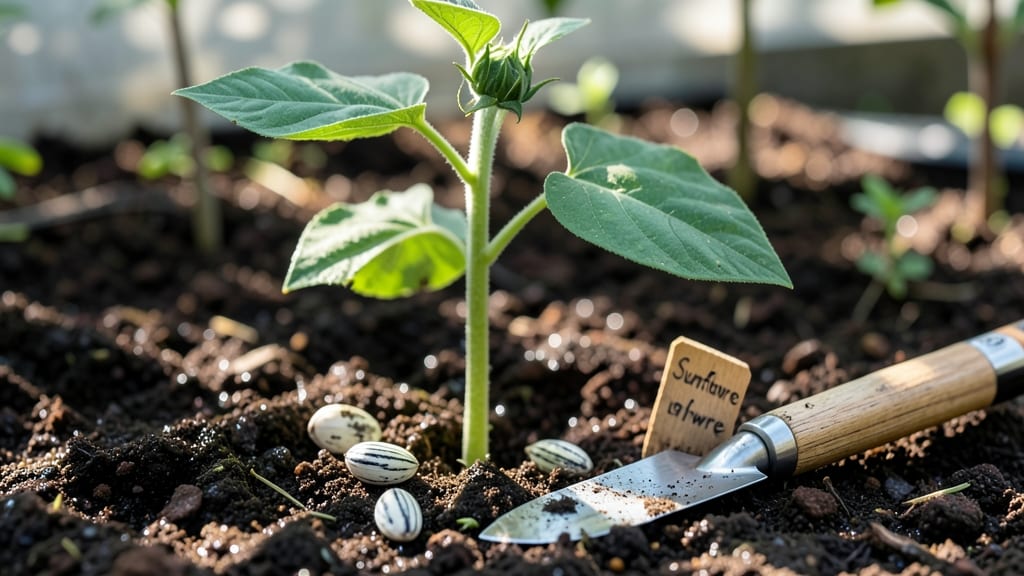
If you've ever planted sunflower seeds and wondered how long it takes for them to sprout, you're not alone. The truth is, germination time depends on one crucial factor: soil temperature. While some gardeners see tiny green shoots in just 3 days, others wait weeks—here's why.
Sunflowers (🌻) are fast growers, but their germination speed varies wildly based on warmth. In ideal conditions—soil between 70°F and 85°F—you'll typically see sprouts within 5 to 14 days.
Cooler soil slows things down dramatically, which is why timing your spring planting after last frost (around April 15 in Zone 6a) makes all the difference.
What if your seeds take longer than expected? Don't panic—moisture levels, seed depth, and even seed freshness play roles too. I'll walk you through exactly what to watch for, plus pro tips to give your sunflowers the best possible start. Let's get those seeds growing!
The key to success lies in understanding these variables and creating the perfect environment. Whether you're a first-time gardener or a seasoned pro, knowing when to expect those first little shoots helps you plan your entire growing season. Ready to turn those seeds into towering sunflowers?
Sunflower seed germination timeline by soil temperature (fastest to slowest)
Sunflower seeds are fast germinators when conditions are ideal, but soil temperature is the single biggest factor in how quickly they sprout. In my experience, the difference between 3 days and 14 days often comes down to whether your soil is warm enough.
Most gardeners overlook this detail until they’re staring at dry seeds wondering, "Why aren’t these sprouting?" Let’s break down exactly what to expect at different temperatures.
Sunflowers thrive in warm soil, with optimal germination occurring between 75°F and 85°F. Below 60°F, germination slows dramatically, while above 90°F, seeds may struggle to absorb moisture efficiently.
Understanding this range helps you time your planting perfectly—whether you're starting seeds indoors in early spring or direct-sowing after frost.
To measure your soil temperature accurately, use a soil thermometer—they’re inexpensive and available at garden centers. Insert it 1 inch deep (the typical planting depth for sunflower seeds) and check readings in the morning when soil is coolest.
If your soil runs below 60°F, consider using black plastic mulch or a seedling heat mat to warm it up faster.
Pro tip: If you’re planting in early spring or late fall, soak your seeds overnight before planting. This jumpstarts hydration and can shave 1-2 days off germination time in cooler conditions.
I’ve seen this work wonders for seeds planted in 55°F soil—cutting their sprouting time from 14 days to just 9!
One common mistake is assuming all sunflower seeds germinate at the same rate. Heirloom varieties like 'Russian Giant' often sprout slightly slower than hybrid types like 'Autumn Beauty.' Always check your seed packet for specific germination times—some brands even print the optimal temperature range right on the packaging.
This small detail can save you from prematurely digging up "failed" seeds.
If your seeds haven’t sprouted within 2 weeks of planting (adjusted for your soil temperature), don’t give up just yet. Sunflowers sometimes take 3-4 weeks in cold, damp conditions.
Try gently pressing the seed with your fingernail—if it feels soft, it’s likely absorbing moisture but struggling to break through the shell. In this case, lightly scratch the seed coat with a sandpaper file to help it along.
For container gardeners, remember that pot soil cools faster than in-ground soil. If you’re growing sunflowers in pots, place them in a sunny, sheltered spot and consider using a heat-retaining fabric around the container. I’ve had containers reach 85°F by midday in full sun—perfect for those 3-day germination windows!
Finally, keep soil consistently moist (not soggy) during germination. Dry soil slows everything down, while standing water can cause seeds to rot. A light misting every 2-3 days works best—think of it like giving your seeds a gentle rain shower. With the right temperature and moisture, you’ll
5 Critical factors that speed up or delay sunflower sprouting (beyond temperature)
While soil temperature is the biggest factor in sunflower germination, five other variables can either speed up or dramatically slow down your sprouting time. Even in perfect warmth, the wrong moisture levels or seed depth can leave you waiting weeks for those first green shoots to appear.
Let’s break down how each factor interacts with temperature to create the ideal sprouting conditions.
First, let’s address the moisture mystery. Sunflower seeds need consistent moisture to activate enzymes that break down their stored energy. Too little water means dormant seeds, while too much can suffocate them. The sweet spot? Evenly damp soil—like a wrung-out sponge—that never dries out completely between waterings.
I’ve seen germination times cut in half simply by adjusting watering schedules to match the soil’s moisture-holding capacity.
Here’s what you need to know about each critical factor—ranked by impact:
- 1 Moisture Levels: Keep soil consistently damp (not soggy). Overwatering causes rot, while dry soil halts germination. Aim for 1-2 inches of water weekly once planted.
- 2 Seed Depth: Plant seeds 1 inch deep. Deeper planting delays sprouting, while shallow planting risks drying out. Use your finger to create a small trench for precision.
- 3 Light Exposure: Sunflowers need 6+ hours of light daily after sprouting. Pre-sprout darkness isn’t critical, but post-sprout light prevents leggy seedlings. Place containers near a south-facing window or under grow lights.
- 4 Seed Viability: Fresh seeds sprout in 5-7 days, while older seeds may take 2-3 weeks. Test viability by soaking seeds overnight—those that sink are viable. Store seeds in a cool, dry place to extend freshness.
- 5 Container Type: Use well-draining containers (e.g., biodegradable pots, seed trays). Poor drainage causes rot, while containers without airflow can delay sprouting. Add a 1-inch layer of perlite to improve drainage.
Let’s talk about light exposure next—it’s often overlooked but critical. Sunflowers are phototropic, meaning they grow toward light. If your seedlings don’t get enough light after sprouting, they’ll stretch tall and weak, a condition called etiolation.
To prevent this, place your containers in the sunniest spot you have, even if it’s just a windowsill. I’ve seen seedlings recover from legginess by moving them to brighter conditions within 48 hours.
Another game-changer is seed viability. If your seeds are older than a year, germination rates can drop by 50%. To test viability, place 10 seeds in a damp paper towel for 24 hours.
If fewer than 8 sprout, it’s time to buy fresh seeds. I always check the packaging date before planting—it’s a small step that saves weeks of waiting!
Finally, don’t underestimate the power of your container choice. Plastic pots trap moisture and can lead to fungal issues, while organic materials like coconut coir allow better airflow.
If you’re planting directly in the ground, loosen the soil to 6 inches deep to ensure roots can access moisture and nutrients easily. Pro tip: Add a handful of compost to the planting hole to give your sunflowers a nutrient boost from day one.