
Flowers
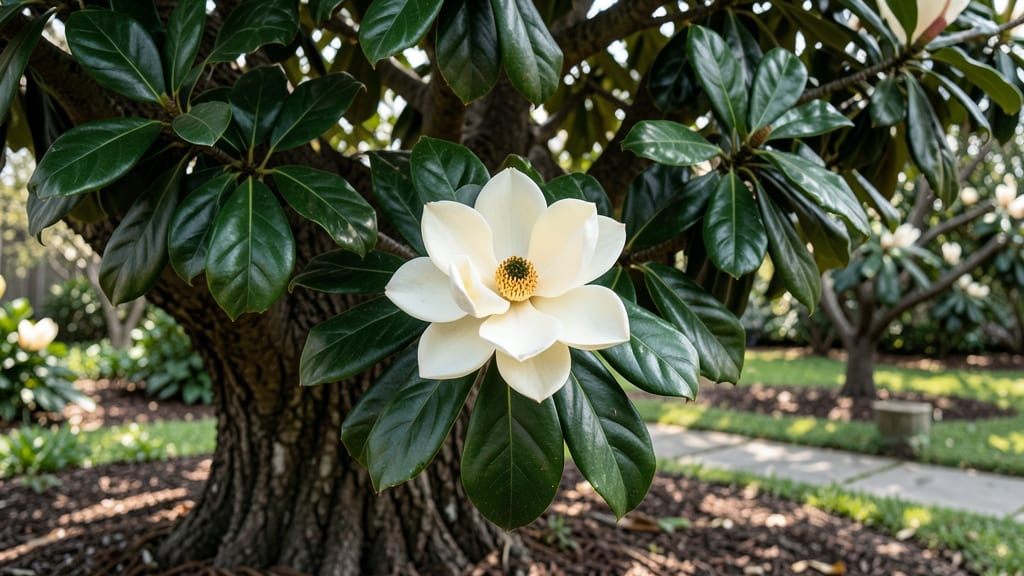
If you’ve ever marveled at the Southern Magnolia’s massive, creamy-white blooms and wondered just how big the flower size gets, you’re not alone. These iconic flowers can reach sizes that make other garden blooms look tiny—some varieties even hit 12 inches across—but not all grow the same.
The Southern Magnolia isn’t just about flower size; its mature height (up to 80 feet) and growth habits can completely reshape your landscape. Whether you’re planning a backyard retreat or an urban garden, knowing the exact dimensions helps you space trees properly and avoid overcrowding.
In this guide, I’ll break down the flower sizes by variety—from the giant blooms of standard types to the more compact options perfect for smaller yards. You’ll also learn how bloom size affects pruning, sunlight needs, and even how to choose the right cultivar for your space.
Let’s dive into the numbers so you can pick the perfect Southern Magnolia for your garden—whether you want a towering statement piece or a more manageable size. Ready to plan with confidence?


Southern Magnolia flower size by variety: exact measurements for blooms and tree height
When planning your landscape with Southern Magnolia trees, knowing the exact flower size and mature height of each variety helps you choose the perfect fit for your space. These iconic trees produce some of the largest blooms in the garden, but their sizes vary dramatically between cultivars.
From the towering 'Little Gem' to the compact 'Teddy Bear', each variety offers unique proportions that influence everything from pruning needs to garden layout.
The average Southern Magnolia flower ranges from 5 to 12 inches in diameter, with 12 to 18 petals per bloom. However, some dwarf varieties like 'Bracken's Brown Beauty' produce smaller flowers, making them ideal for smaller yards.
Understanding these differences ensures you select a tree that complements your vision while meeting practical spacing requirements.
Below is a detailed comparison of 8 popular Southern Magnolia varieties, including their flower diameters, petal counts, and mature tree heights. This guide will help you visualize how each variety will look in your garden and plan accordingly.