
Tools
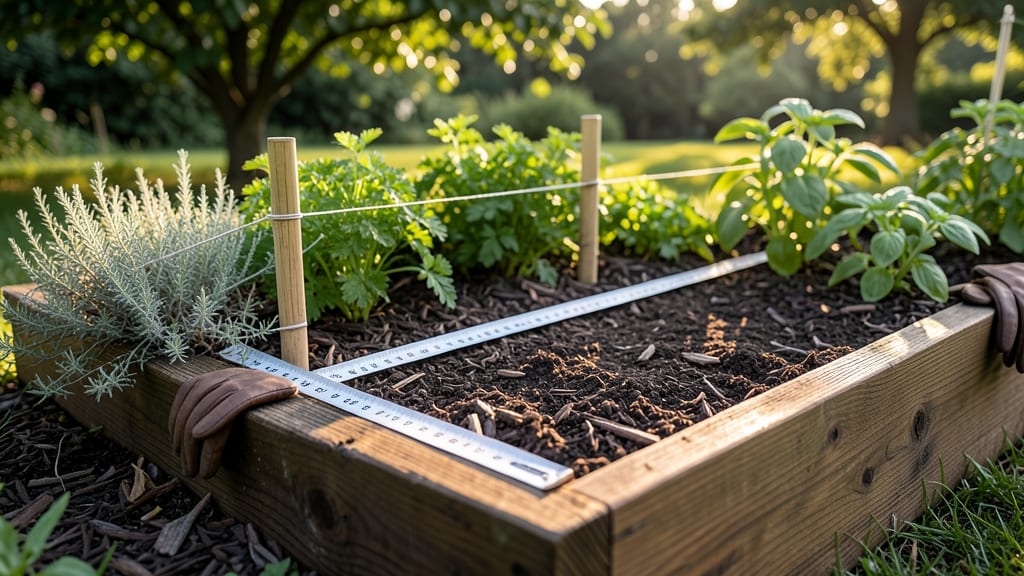
Standard garden bed sizes are designed to be 4 feet wide and 8 to 12 feet long, with a depth of 6 to 12 inches, creating optimal conditions for easy maintenance, healthy soil, and strong plant growth in home gardens.
These dimensions aren't arbitrary—they're based on what works best for most gardeners.
A 4-foot width lets you reach the center without stepping on the soil, which keeps plants healthy and prevents compaction. 🌱 The 8-12 foot length balances space efficiency with practicality, while the 6-12 inch depth gives roots enough room to grow while keeping weeds at bay.
For raised beds, you'll often see deeper sides (10-12 inches) to accommodate nutrient-rich soil mixes that drain well.
What's interesting is how these sizes adapt to different gardening styles. In-ground beds might use the full depth range, while raised beds often stay on the deeper end (10-12 inches) to accommodate better soil quality.
The width becomes especially important when you're dealing with tall plants like tomatoes or corn—you'll want to leave enough space between rows for airflow and maintenance.
Pro tip: If you're working with limited space, you can create multiple 4-foot-wide beds in a row with 2-foot paths between them. This keeps everything accessible while maximizing your growing area. The key is finding what works for your specific yard layout and plant types.
💡 In This Article
- Why Garden Bed Dimensions Matter for Plant Growth
- Designing Your Garden Bed Layout for Productivity
Why garden bed dimensions matter for plant growth
The 4-foot width of standard garden beds isn't random—it's engineered for human reach and plant health. When you stand at the center of a 4-foot-wide bed, your arms can comfortably stretch to the edges without stepping on the soil. This prevents soil compaction, which restricts root growth and reduces aeration.
Studies show that compacted soil can reduce plant growth by up to 30% because roots struggle to access oxygen and nutrients. 🌱 The width also creates a perfect balance for moisture retention: narrower beds dry out too quickly, while wider ones become harder to water evenly.
Length plays a crucial role in space efficiency and weed control. Beds that are 8-12 feet long allow you to grow more plants without sacrificing accessibility. Longer beds create a continuous growing surface that minimizes edge effects (where plants near the perimeter get more sunlight and water).
For example, a 4x8-foot bed gives you about 28.8 square feet of growing space—enough for a small family garden.
The length also helps with weed suppression by reducing the number of edges where weeds can invade. 🌿 Shorter beds (under 6 feet) force you to step on the soil more often, which can introduce weeds and diseases.
Depth is where root development and soil quality meet. The standard 6-12 inch depth provides enough space for most vegetables to establish strong root systems.
For instance, carrots and beets need at least 10-12 inches of loose soil to grow properly, while shallow-rooted plants like lettuce thrive in 6-8 inches.
Deeper beds (10-12 inches) are especially beneficial for raised gardens because they allow you to fill them with nutrient-rich soil mixes that drain well and retain moisture.
In-ground beds can sometimes go shallower (6-8 inches) if the native soil is fertile, but deeper beds give you more control over soil quality.
Here's what happens when dimensions stray from these standards: Beds wider than 4 feet make it difficult to reach the center without stepping on the soil, leading to compaction. Beds shorter than 6 feet create too many edges, increasing weed pressure and reducing growing space efficiency.
Depths under 6 inches limit root growth, while depths over 12 inches can become waterlogged unless you have excellent drainage. The sweet spot balances accessibility, soil health, and plant growth for the majority of home gardeners. ✨
Consider this real-world example: A 4x10-foot raised bed filled with a mix of compost, topsoil, and perlite creates an ideal environment for tomatoes. The depth allows roots to spread, the width ensures easy maintenance, and the length maximizes space for multiple plants.
Compare that to a 3x6-foot bed, which forces you to step on the soil frequently and limits your growing area by nearly 50%. The dimensions directly impact your yield and the health of your plants.
For those with limited space, you can create multiple 4-foot-wide beds in a row with 2-foot paths between them. This layout keeps everything accessible while maximizing your growing area. The key is understanding how each dimension affects plant growth and adjusting based on your specific needs and space constraints. 💫