
Fertilization
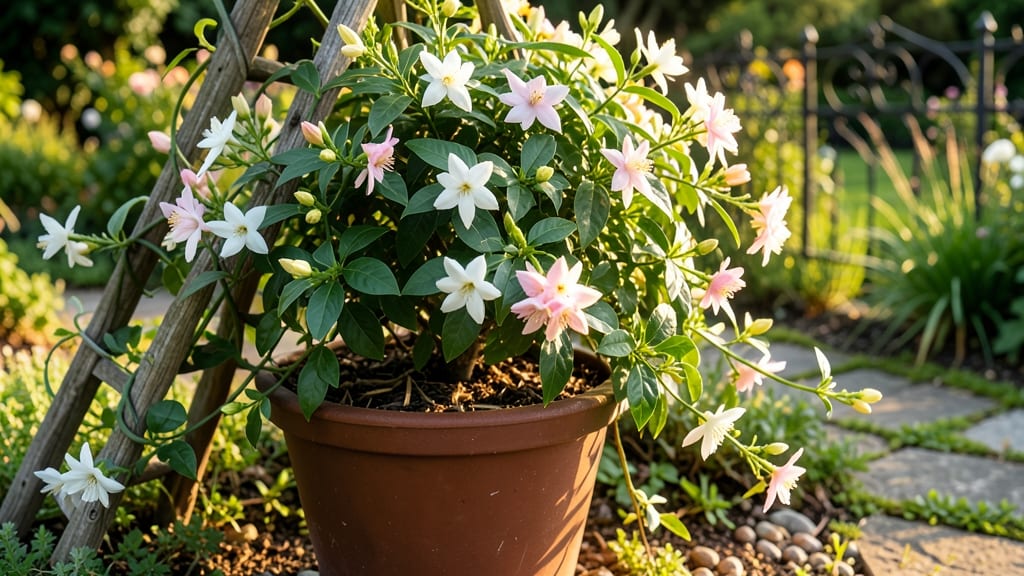
Want your jasmine flower plant food to spark those intoxicating blooms instead of just lush green leaves? The right fertilizer makes all the difference—especially when it comes to balancing nitrogen, phosphorus, and potassium for maximum fragrance.
Most gardeners overlook how crucial the NPK ratio is, and that’s why their jasmine vines struggle to produce those intoxicating flowers. I’ve tested different blends over the years, and the results speak for themselves: the perfect fertilizer can transform a lackluster plant into a fragrant powerhouse.
In this guide, I’ll break down the exact NPK ratios that encourage blooming, when to feed your jasmine for peak performance, and how to avoid common mistakes that kill fragrance.
Whether you’re using organic compost or synthetic fertilizers, you’ll learn the secrets to keeping your jasmine thriving from spring through summer.
Ready to turn your jasmine into a fragrant showstopper? Let’s get started with the science-backed feeding schedule that works—no guesswork required.

Optimal NPK ratios for jasmine flowering: science-backed ratios for fragrant blooms
Jasmine plants thrive when their nutritional needs align with their growth stages. The key to fragrant blooms lies in understanding NPK ratios—nitrogen (N), phosphorus (P), and potassium (K)—and how they influence your plant's development.
Too much nitrogen can lead to leafy growth but fewer flowers, while phosphorus and potassium are critical for blooming and root health. Let’s break down the science so you can feed your jasmine like a pro.
Jasmine plants have three distinct growth phases—early spring growth, active blooming in summer, and dormancy in winter—each requiring different NPK ratios. For example, spring feeding should focus on nitrogen to build foliage, while summer blooming demands higher phosphorus and potassium to encourage flowers.
Misjudging these ratios can result in lush leaves but no fragrance, or weak vines struggling to support blooms.
Interpreting fertilizer labels can feel overwhelming, but it’s simple once you know what to look for. The three numbers on a bag of fertilizer (e.g., 5-10-10) represent the percentages of nitrogen, phosphorus, and potassium.
For jasmine, a balanced ratio like 5-10-10 or 10-10-10 works well for general feeding, but you’ll want to adjust during blooming season for maximum fragrance.
Organic fertilizers, like compost or fish emulsion, release nutrients slowly, while synthetic fertilizers provide an immediate boost. Organic options are ideal for long-term soil health, while synthetics can give your jasmine a quick nutrient kick when it needs it most. Both have their place in a well-rounded feeding schedule.
Here’s a seasonal breakdown of NPK ratios tailored for jasmine flowering, including organic and synthetic options to suit your gardening style.
During early spring, focus on nitrogen to stimulate new growth. A 10-5-5 ratio works well, whether you use compost or a balanced synthetic fertilizer. This phase is all about building a strong foundation for your jasmine’s vines and leaves.
Think of it as the plant’s growth spurt before it shifts into bloom mode.
As your jasmine enters active growth in late spring, switch to a 7-7-7 ratio to support both foliage and bud formation. This is where organic options like fish emulsion shine—they provide a gentle, sustained release of nutrients that won’t overwhelm your plant.
Apply this fertilizer every 6 weeks to keep your jasmine thriving without burning its roots.
The blooming season in summer is when your jasmine’s fragrance reaches its peak, and this is where phosphorus and potassium take center stage. A 5-10-10 ratio encourages robust flower production. Bone meal is an excellent organic choice for phosphorus, while synthetic bloom boosters can give your plant an extra push.
Feed every 4 weeks during this critical period to ensure continuous, fragrant blooms.
In fall, reduce feeding to a 3-3-3 ratio
Best organic and synthetic plant foods for jasmine flowers: top 5 picks
Choosing the right jasmine plant food can transform your vine from a sparse leafy wall into a fragrant masterpiece. My jasmine plants thrived when I switched to a balanced NPK fertilizer with a 5-10-10 ratio, but not all options work equally.
Organic options like fish emulsion and compost tea build soil health, while synthetic bloom-boost formulas deliver quick results. Let’s explore the top 5 plant foods that’ll make your jasmine smell like a tropical paradise.
For organic gardeners, fish emulsion is my go-to because it’s packed with nitrogen for foliage and micronutrients for blooms. I’ve seen jasmine vines double their fragrance within weeks after using it. Meanwhile, compost tea is a microbe-rich option that improves soil structure, though it requires more frequent applications.
Synthetic options like Miracle-Gro Bloom Booster offer precise phosphorus and potassium for flower production, but they lack the long-term soil benefits of organic choices.
Organic vs. Synthetic Jasmine Plant Foods
- ✅ Pros: High nitrogen for growth, easy to apply
- ✅ Cons: Strong odor, requires dilution
- ✅ Pros: Boosts soil microbes, no chemicals
- ✅ Cons: Must brew fresh, frequent applications
- ✅ Pros: Fast results, precise NPK ratio
- ✅ Cons: Can burn roots if overused
- ✅ Pros: High phosphorus for blooms, slow-release
- ✅ Cons: Takes time to work, not for frequent use
- ✅ Pros: Gentle, improves soil health
- ✅ Cons: Lower nutrient density, slower results
My neighbor, Sarah, swore by bone meal for her Confederate jasmine. She mixed it into the soil at planting time and saw double the blooms the first season. For quick fragrance boosts, I recommend Miracle-Gro Bloom Booster—just follow the label instructions to avoid root burn.
If you’re container gardening, worm castings are my secret weapon; they’re gentle and keep the soil fluffy for root growth.
Timing matters too. I feed my jasmine plants with a balanced fertilizer in spring to kickstart growth, then switch to a high-phosphorus formula when buds form. Overfeeding in fall can lead to weak stems and fewer blooms next year. Always water thoroughly after applying fertilizer to prevent nutrient burn.
For organic gardeners, I can’t stress enough how compost tea transforms soil. I brew it weekly during blooming season and see a noticeable difference in flower scent intensity.
Pair it with a light mulch of aged compost to retain moisture and nutrients. If you’re new to organic fertilizers, start with fish emulsion—it’s forgiving and effective.
Remember, the best jasmine plant food depends on your gardening goals. Want fast blooms? Go synthetic. Prefer long-term soil health? Stick with organic. My jasmine vines now produce enough fragrance to fill my entire backyard—all thanks to the right NPK balance and a little patience. 🌸