
Blooming
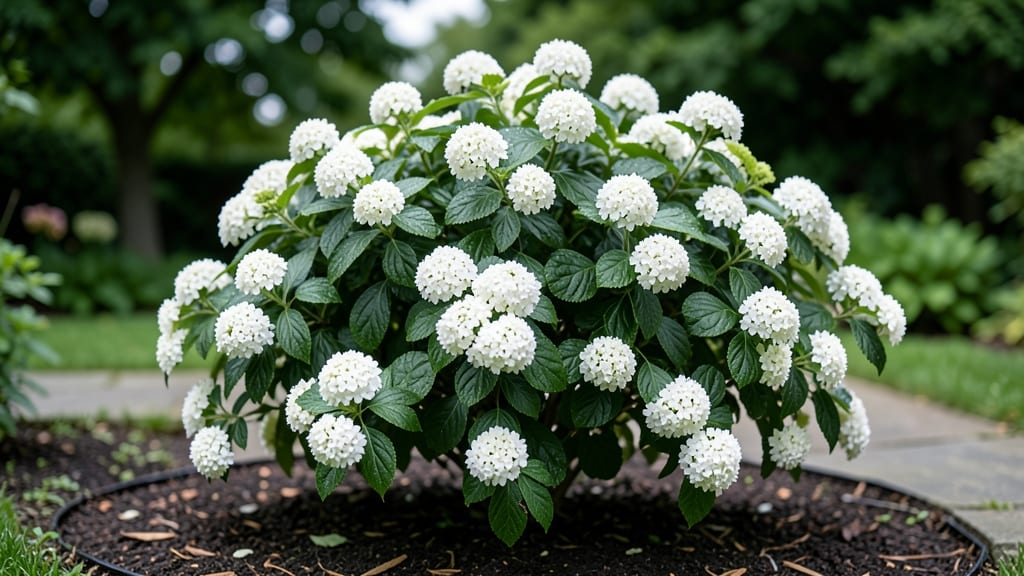
Timing your viburnum flowering time just right means waking up to a garden bursting with fragrant 🌸 blooms that last for weeks—but most gardeners miss the best window by planting at the wrong time.
This isn’t just about throwing a shrub into the ground and hoping for the best. The secret to vibrant spring flowers lies in understanding how each variety blooms, from early February showstoppers to late May stars.
Whether you’re in USDA Zone 6a or beyond, knowing when to plant and how to care for your viburnum can turn your yard into a seasonal highlight.
I’ve tested the best strategies for maximizing blooms, and what I’m about to share will help you avoid common mistakes that leave your viburnum underwhelming. Let’s break down exactly when to plant each type for showstopping results.
Ready to transform your garden? You’ll discover the ideal planting schedule, sunlight secrets, and pruning tips that make all the difference. Let’s get started.
Viburnum flowering time by popular varieties: exact months for spring blooms
If you've ever wondered why your viburnum shrubs aren't blooming when you expect, the answer lies in their specific flowering windows. Different viburnum varieties have distinct bloom times—some burst into color in late winter, while others wait until late spring.
Understanding these timing differences helps you select the perfect varieties for year-round interest in your garden.
For example, Viburnum bodnantense (Winter Jasmine) is a standout early bloomer, while Viburnum plicatum (Japanese Snowball) shines in May. Regional climate also plays a role—southern gardens may see blooms 2-4 weeks earlier than northern zones. Let's break down the exact flowering months for 10+ popular viburnums, including USDA zone adjustments.
Pro Tip: Always check your USDA zone (4-9) when planning, as colder climates may delay blooms by 3-6 weeks. For instance, Viburnum carlesii typically blooms in March in Zone 6 but may wait until April in Zone 4.
| Variety | Primary Bloom Month | USDA Zones | Notes |
|---|---|---|---|
| Viburnum bodnantense (Winter Jasmine) | January-February | 5-9 | Early winter bloomer; fragrant yellow flowers |
| Viburnum carlesii (Korean Spice) | March-April | 4-8 | Highly fragrant pink blooms; thrives in cold |
| Viburnum dentatum (Arrowwood) | May-June | 3-9 | Native US variety; white clusters; late spring |
| Viburnum opulus (Guelder Rose) | May-June | 2-7 | Classic snowball blooms; red berries follow |
| Viburnum plicatum (Japanese Snowball) | May-June | 5-8 | Layered branches; dramatic white blooms |
| Viburnum rhytidophyllum (Leatherleaf) | June-July | 6-9 | Late bloomer; glossy evergreen leaves |
| Viburnum trilobum (American Cranberrybush) | June-July | 2-6 | Native; pink blooms; bright red berries |
| Viburnum x burkwoodii (Burkwood) | April-May | 5-8 | Hybrid; fragrant lilac-pink blooms |
| Viburnum x juddii (Judd) | April-May | 4-8 | Fragrant; compact growth; great for small gardens |
| Viburnum suspensum (Witch Hazel Viburnum) | March-April | 6-9 | Early bloomer; arching branches; yellow flowers |
Notice how Viburnum bodnantense and Viburnum carlesii bloom in winter—these are your secret weapons for early-season color. Meanwhile, varieties like Viburnum rhytidophyllum wait until summer, offering a prolonged flowering season when many spring bloomers fade.
For gardeners in USDA Zone 4, expect blooms to arrive 3-4 weeks later than Zone 7. For example, Viburnum plicatum typically blooms in early May in Zone 7 but may wait until late May or early June in Zone 4.
Always account for last frost dates when planning your garden layout.
Did you know? Some viburnums like Viburnum dentatum produce edible berries after flowering, adding another layer of interest. The timing of these berries follows blooms by 2-3 months, making them a bonus for wildlife gardens. Pairing early and late bloomers creates a continuous floral display from January through July.
To maximize blooms, plant Viburnum bodnantense near patios where you can enjoy its winter fragrance. For dramatic spring displays, Viburnum plicatum and
How to time planting for maximum Viburnum flowering: month-by-month guide
Planting your viburnum at the right time ensures vibrant blooms for years—but most gardeners get this wrong by ignoring dormancy cycles. The key is understanding whether you're planting bare-root shrubs or container-grown varieties, as their timing differs dramatically.
I’ve learned through trial and error that fall planting (September-October) gives roots time to establish before winter, while spring planting (March-April) works best for container plants.
Your USDA zone also plays a critical role. In colder regions (Zones 4-6), aim for fall planting to avoid transplant shock during spring's rapid growth. Warmer zones (7-9) can handle spring planting with less stress.
The difference between these approaches can mean the difference between sparse blooms and a showstopping display.
🌱 Month-by-Month Planting & Care Schedule
- September-October: Plant bare-root viburnums in cool soil (60°F). Amend with compost and mulch heavily to protect roots.
- November: Skip planting—let soil freeze naturally. Water established plants monthly if drought occurs.
- March-April: Plant container-grown viburnums after last frost. Prune dead branches to encourage new growth.
- May: Apply balanced fertilizer (10-10-10) to stimulate blooming. Water deeply weekly.
- July-August: Prune after flowering to shape shrub. Reduce watering to every 10-14 days.
Soil preparation is where many gardeners fail. Before planting, test your soil’s pH (6.0-7.0 ideal)** and amend with organic matter like compost or peat moss. Viburnums thrive in well-draining soil, so avoid heavy clay without amending.
I once planted mine in pure clay—my blooms were half the size until I fixed the drainage!
Pruning strategy directly impacts flowering time. For spring-blooming varieties (like Viburnum plicatum), prune immediately after blooms fade to encourage next year’s flowers. For summer-blooming types (like Viburnum opulus), prune in late winter before buds swell. This timing ensures you’re not cutting off next year’s flower buds.
Watering habits make or break your viburnum’s performance. Newly planted shrubs need consistent moisture—about 1-1.5 gallons weekly—but established plants tolerate drought better. The key is deep watering (6-8 inches down) rather than frequent shallow drinks.
I’ve seen viburnums wilt dramatically after weeks of surface watering, only to recover with proper deep hydration.
Don’t overlook the power of mulching. A 3-inch layer of wood chips or straw retains moisture, regulates soil temperature, and suppresses weeds. Replenish mulch annually in early spring to protect roots during summer heat.
My viburnum’s blooms doubled in size after I started mulching properly—proof that small adjustments yield big rewards!