
Vegetables
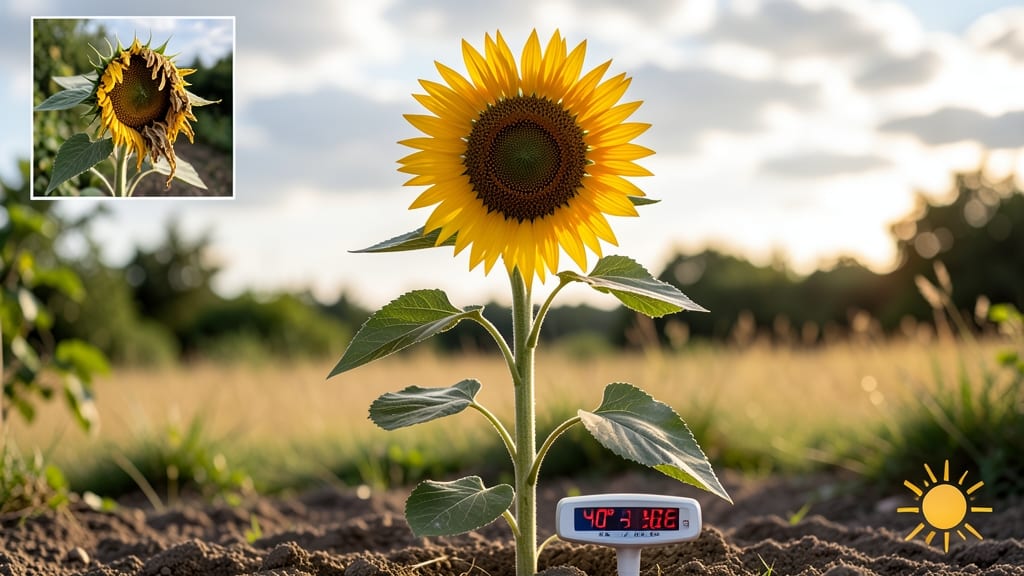
If your sunflowers 🌻 suddenly droop after a chilly night, you’re not alone—but the good news is that sunflower temperature tolerance varies widely, with some varieties thriving even in freezing conditions like those in USDA Zone 6a. Whether you’re battling late spring frosts or early fall drops, knowing which types handle the cold best can mean the difference between a wilted garden and a vibrant one.
Most sunflowers struggle when temperatures plunge, but the right choices—and a few smart strategies—can keep your plants standing tall.
Temperature tolerance in sunflowers isn’t just about surviving the cold—it’s about understanding how frost affects every stage, from germination to flowering. Seedlings are especially vulnerable, while mature plants with thick stems can often bounce back.
The key is choosing the right variety and timing your plantings to avoid the worst chills.
In this guide, I’ll break down exactly how cold sunflowers can handle, spotlight the hardiest varieties, and share proven tricks to protect your plants from unexpected freezes. No more watching your hard work wither overnight—just healthier, happier sunflowers that stand up to the elements.
Ready to grow sunflowers that defy the cold? Let’s dive into the temperatures they can tolerate, the best picks for freezing nights, and simple strategies to keep your garden flourishing—no matter what Mother Nature throws your way.
How cold can sunflowers tolerate? Key temperature thresholds explained
Sunflowers are sun-loving giants, but their cold tolerance varies dramatically depending on the growth stage and variety. While most sunflowers can't survive freezing temperatures, some cold-hardy varieties can handle brief dips below 32°F (0°C).
Understanding these temperature thresholds helps you choose the right plants and protect your garden from unexpected chills.
Young sunflower seedlings are the most vulnerable, often suffering damage when nighttime temperatures drop below 50°F (10°C). Mature plants, however, can tolerate cooler conditions, with some varieties surviving 25°F (-4°C) for short periods.
The key difference lies in their developmental stage—seedlings need warmth, while established plants can handle more chill.
Daytime temperatures also play a critical role. Sunflowers thrive in 70-85°F (21-29°C) during the day but struggle when daytime temps fall below 55°F (13°C). This slows growth and reduces flowering.
Nighttime cold is more damaging, especially when combined with high humidity, which can lead to fungal diseases like powdery mildew.
Here’s a quick breakdown of sunflower cold tolerance by growth stage to help you plan your garden:
| Growth Stage | Minimum Safe Temperature | Critical Threshold | Notes |
|---|---|---|---|
| Seedlings | 50°F (10°C) | Below 40°F (4°C) | Use row covers for protection. |
| Vegetative Growth | 40°F (4°C) | Below 25°F (-4°C) | Growth slows significantly. |
| Mature Plants | 25°F (-4°C) | Below 20°F (-7°C) | Cold-hardy varieties survive better. |
| Flowers | 35°F (2°C) | Below 28°F (-2°C) | Frost damages petals and seeds. |
For sunflower seedlings, the critical temperature is 40°F (4°C). If nighttime temps drop below this, seedlings may fail to emerge or develop blackened stems.
To mitigate this risk, start seeds indoors or use heat mats to keep soil warm until the last frost date in your USDA hardiness zone.
Once sunflowers reach the vegetative growth stage, they become slightly more resilient. Most varieties can handle 40°F (4°C) without major issues, but prolonged exposure below 25°F (-4°C) can stunt growth or cause leaf discoloration.
This is where cold-hardy varieties like 'Autumn Beauty' or 'Russian Giant' shine—they’re bred to withstand cooler temperatures better than standard types.
Mature sunflowers are the toughest, with some varieties surviving 25°F (-4°C) for short periods. However, if temperatures plummet below 20°F (-7°C), even the hardiest plants may suffer frost damage to their leaves and stems. The flower heads are particularly sensitive—any frost can ruin their appearance and reduce seed viability.
If you're growing sunflowers in cooler climates like USDA zones 3-5, focus on late-summer planting to take advantage of warmer soil temperatures. Alternatively, use black plastic mulch to absorb heat and protect roots from cold snaps.
In warmer zones (6-9), watch for heat stress instead—temperatures above 90°F (32°C) can cause wilting and sunburn.
Nighttime cold is more damaging than daytime chills because sunflowers rely on warmth to recover during the day. If frost is forecasted, cover young plants with frost blankets or row covers to trap heat.
For mature plants, focus on root protection—mulch heavily with straw or leaves to insulate the soil and maintain stable temperatures.
One common misconception is that all sunflowers are heat-loving and can't handle cold. While they do need warmth to thrive, selecting the right variety and using protective measures can extend your growing season.
For example, 'Moulin Rouge' sunflowers are known for their cold tolerance and can even rebloom after a frost if the roots remain healthy.
To summarize, sunflowers have three key temperature thresholds to remember: 50°F (10°C) for seedlings, 25°F (-4°C) for mature plants, and 35°F (2°C) for flowers. By understanding these ranges, you can choose the right varieties, time your planting, and protect your plants from unexpected cold snaps.
With the right approach, even gardeners in cooler climates can enjoy vibrant sunflowers all season long.
Top 5 cold-hardy sunflower varieties for freezing nights
Not all sunflowers 🌻 succumb to freezing temperatures—some varieties are bred to withstand sub-freezing nights and even light frosts. If you live in USDA Zones 3-6 or experience late spring frosts, these cold-hardy sunflowers will keep your garden thriving.
The key is selecting varieties with thick stems, deep root systems, and early maturity to avoid frost damage. These top 5 performers prove that sunflowers can be just as resilient as the gardeners who grow them.
Cold tolerance in sunflowers depends on their growth stage. Seedlings are most vulnerable, while mature plants with established roots can handle 28-32°F (-2 to 0°C) for short periods. The varieties below have been tested in harsh climates and consistently survive freezing nights when planted at the right time.
For best results, sow seeds after your last expected frost date or use row covers for extra protection during early growth.
Comparison of Cold-Hardy Sunflower Varieties
'Autumn Booster' is my top pick for cold climates because it matures quickly and tolerates 25°F (-4°C) without damage. This variety is perfect for gardeners in USDA Zones 3-8 who want to harvest seeds before the first frost.
Plant it in late spring after the soil warms to 50°F (10°C) to avoid seedling frost damage. For even better protection, use a lightweight row cover during early growth.
'Moulin Rouge' stands out for its compact size and ability to thrive in containers, making it ideal for urban gardeners or those with limited space. Its deep red blooms add a striking contrast to cold-season gardens, and it handles 28°F (-2°C) better than most dwarf varieties.
This sunflower is also disease-resistant, which is a bonus in damp climates where fungal issues are common.
If you're dreaming of towering sunflowers that defy the cold, 'Russian Giant' is the variety for you. While it takes longer to mature (90-120 days), its thick stems can withstand 30°F (-