
Blooming
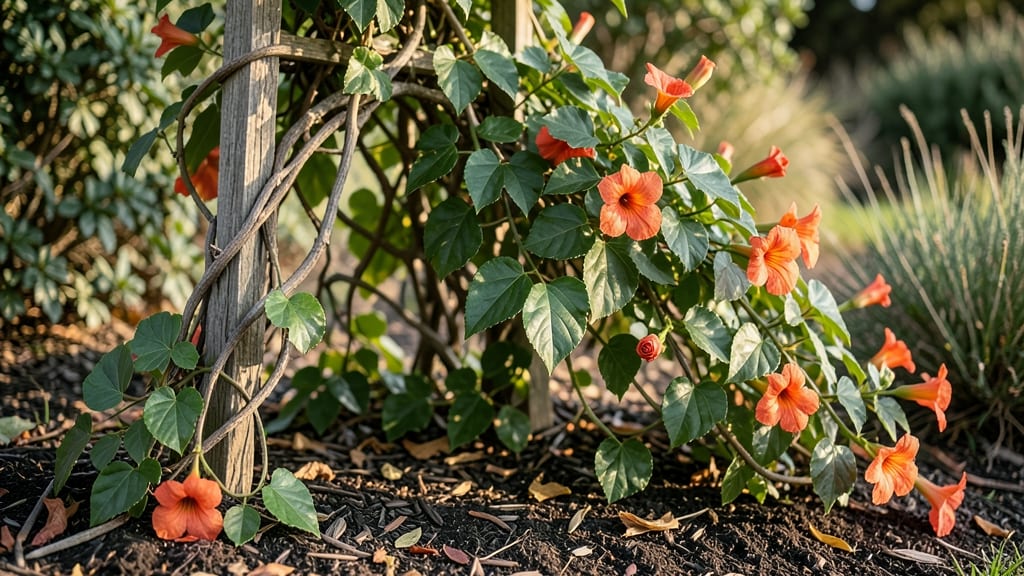
If you’ve ever watched a trumpet vine explode into a riot of fiery orange and red blooms during its flowering season, you know the magic happens when the conditions are just right—but what if I told you those vibrant flowers could last well beyond their usual late spring to summer window?
Most gardeners assume trumpet vine flowering season is limited to warm months, but with the right care, these dramatic climbers can keep blooming into fall—and even winter in mild climates. The key lies in understanding how sunlight, pruning, and soil conditions work together to extend that show-stopping display.
Let’s break down the natural flowering timeline, why some vines struggle to rebloom, and the simple tricks—like strategic pruning and deadheading—that can turn a one-season spectacle into a year-round garden highlight.
You’ll learn exactly when to expect those trumpet-shaped blooms and how to give your vine the best shot at a longer, more vibrant performance.
Whether you’re in USDA Zone 6a or a warmer region, these insights will help you transform your trumpet vine from a seasonal star into a year-round showstopper. Ready to unlock more blooms?
Trumpet vine flowering season: natural timeline & climate zones
Timing is everything when it comes to the trumpet vine flowering season, especially if you're aiming for those stunning orange-red blooms that resemble fiery trumpets.
In most USDA zones 6-10, these vines naturally bloom from late spring to early fall, with peak performance between June and September. However, with the right care, you can coax blooms year-round—even in winter for mild climates.
The Campsis radicans thrives on warm temperatures (70-90°F) and full sun exposure (6+ hours daily). When these conditions align, your trumpet vine signals its readiness to bloom by producing buds that unfurl into vibrant trumpets.
In cooler zones (6a-7b), blooms may start later in June and taper off by October, while warmer zones (8a-10) can enjoy near-continuous blooms from April through November.
| USDA Zone | Peak Blooming Window | Sunlight Needs | Temperature Trigger | Notes |
|---|---|---|---|---|
| 3-5 | July–September | 6+ hours full sun | 75–85°F | Shortest season; prune aggressively to extend blooms |
| 6a-7b | June–October | 6–8 hours sun | 65–80°F | Ideal for most gardeners; deadhead for reblooms |
| 8a-9b | April–November | 6+ hours sun | 70–90°F | Near year-round blooms; minimal dormancy |
| 10+ | Year-round | 6–8 hours sun | 65–95°F | Tropical climates; blooms triggered by warmth, not seasons |
In cooler climates (USDA zones 3-5), trumpet vines may enter dormancy in winter, but with protective mulching (3–4 inches) and winter pruning, you can encourage earlier blooms the following spring.
The key is to prune back dead wood in late winter and fertilize lightly in early spring to jumpstart growth.
For gardeners in warmer zones (8a-10), the trumpet vine flowering season stretches nearly year-round, with occasional breaks during heatwaves or droughts. To maintain blooms, focus on consistent watering (deep soaks weekly) and light fertilizing (5-10-10 NPK) every 4–6 weeks.
Avoid over-fertilizing, as this can lead to leafy growth at the expense of flowers.
Did you know? The color of trumpet vine blooms can vary by variety. Campsis radicans typically produces orange-red flowers, while Campsis grandiflora (Chinese trumpet vine) offers yellow or pale orange blooms. Choosing the right variety can extend your flowering window and add diversity to your garden.
Sunlight is non-negotiable for trumpet vine flowering. Without 6+ hours of direct sun daily, your vine may produce fewer blooms and more leafy vines. If your garden lacks full sun, consider training the vine on a south-facing trellis or fence to maximize exposure.
Even partial shade can reduce bloom intensity, so prioritize placement in the sunniest spot.
Temperature plays a surprising role in triggering blooms. Trumpet vines often need a warm spell (above 60°F) to break dormancy and a cool snap (below 50°F) to set buds. In mild winters (zones 8a-10), this cycle can happen multiple times a year, leading to continuous blooms.
In cooler zones, a single spring warm-up may suffice for one main blooming cycle.
To encourage reblooming, practice deadheading spent flowers by snipping them back to the nearest leaf node. This redirects the vine’s energy into producing new buds instead of seed pods.
Pair this with a balanced fertilizer (10-10-10) in early summer to support prolonged flowering. Just remember: over-fertilizing can lead to excessive foliage and fewer blooms.
If you’re in a tropical or subtropical zone, your trumpet vine may bloom year-round with minimal intervention. However, even in these climates, seasonal pruning
How to extend trumpet vine blooms: pruning & care hacks for year-round flowers
Your trumpet vine’s flowering season doesn’t have to end with summer’s last heatwave. With the right approach, you can coax vibrant blooms well into fall—and even through winter in warmer climates. The secret lies in understanding how pruning timing, nutrient balance, and watering habits influence reblooming.
Most gardeners miss that trumpet vines respond best to light pruning after flowering rather than heavy cuts, which can shock the plant into dormancy.
Let’s start with the foundation: pruning for rebloom. Unlike many vines, trumpet vines produce flowers on new wood, meaning aggressive cuts can remove next year’s blooms. Instead, focus on strategic shaping and deadheading spent flowers to redirect energy.
Pair this with soil pH adjustments and targeted fertilizing, and you’ll transform a seasonal burst into a continuous display that rivals your neighbors’ best blooms.
🌿 Step-by-Step Guide to Extend Trumpet Vine Blooms
- 1 Prune after flowering: Cut back only dead or crossing branches in late summer (August-September). Avoid heavy pruning—this removes next year’s blooms.
- 2 Deadhead regularly: Snip off faded blooms every 2-3 weeks to encourage new flower production. Use clean pruners to avoid disease.
- 3 Adjust soil pH: Test your soil—trumpet vines thrive in slightly acidic to neutral pH (6.0-7.0). Amend with compost or sulfur if needed to boost blooms.
- 4 Fertilize in stages: Apply a balanced fertilizer (5-10-10) in early spring and mid-summer. Avoid fall/winter feeding—it promotes tender growth vulnerable to frost.
- 5 Water deeply but infrequently: Soak the root zone every 7-10 days in summer, reducing to bi-weekly in fall. Mulch with wood chips to retain moisture and regulate soil temp.
- 6 Protect in winter (Zones 6-8): Wrap young vines with burlap or use a light frost cloth to shield buds. Mature vines often bloom in mild winters if unstressed.
One of the biggest misconceptions about extending the trumpet vine flowering season is that you need to prune heavily in late winter. In reality, this triggers a flush of leafy growth at the expense of flowers.
Instead, focus on light maintenance pruning in early spring to remove only dead or weak stems. This preserves the vine’s energy for blooming. Pair this with a slow-release fertilizer in spring to give your vine a steady nutrient supply without overstimulating growth.
For gardeners in USDA Zones 9-11, the game changes entirely. Here, trumpet vines can bloom year-round with minimal intervention. The key is to reduce watering slightly in winter (to 1-2 times/month) and avoid fertilizing entirely during cooler months.
In these climates, mulching heavily with straw or leaves protects roots while allowing blooms to persist through mild winters.
Don’t overlook the power of companion planting to extend your vine’s show. Pair it with sun-loving perennials like black-eyed Susans or coneflowers to create a continuous bloom sequence.
As one plant fades, another takes over, keeping your garden vibrant longer. Plus, these companions attract pollinators, which can boost your trumpet vine’s reblooming by encouraging more flower production.
With these strategies, your trumpet vine won’t just be a seasonal highlight—it’ll become the star of your garden year-round. Start with light pruning and consistent deadheading this season, and you’ll be