
Blooming
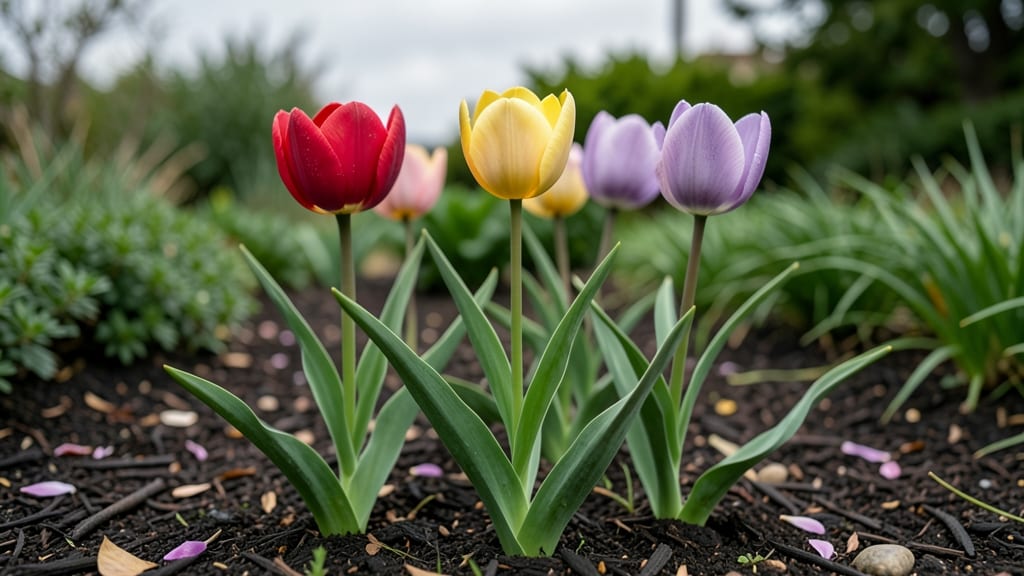
Tulip flower blooming season by climate zone: when to plant for spring color
Timing your tulip bulbs correctly ensures a vibrant spring display that lasts for weeks. Unlike annuals, tulips require cold dormancy to bloom, making fall planting the golden rule for most U.S. gardeners.
But regional frost patterns and USDA zones shift these windows dramatically—plant too early in Zone 10, and your bulbs may sprout prematurely, while Zone 3 gardeners risk frost damage if they wait too long.
The key is understanding your last frost date and how tulip varieties respond to chilling requirements. Most tulips need 12-16 weeks of cold below 40°F (4°C) to trigger blooms. In warmer zones, this means planting earlier, while northern climates offer a longer window.
Let’s break down the best planting months by zone to help you maximize spring color without the guesswork.
🌷 PRO TIP: Use your local cooperative extension service to pinpoint your exact first frost date. Aim to plant 6-8 weeks before the ground freezes—this gives roots time to establish before winter sets in.
In Zones 3-5, where winters are harsh, focus on fall planting between October 15 and November 15. The ground should be cool but workable, not frozen. Spring planting is possible but risky—bulbs may not get enough chill hours to bloom.
For Midwest gardeners, this means digging in early November before the first hard freeze.
Gardeners in Zones 6-7—like those in the Pacific Northwest or Northeast—have more flexibility.
Plant in late September to October for spring blooms, or try spring planting in March if you missed the fall window. Darwin Hybrid tulips in these zones often bloom 2-3 weeks later than early varieties, extending your seasonal color.
Warmer Zones 8-9, such as Southern California or Georgia, require earlier planting to avoid premature sprouting. Aim for August to early September—this ensures bulbs get enough cold before mild winters kick in. Spring planting is tricky here; bulbs may not bloom until the second year.
🌡️ WATCH OUT: Zone 10 gardeners (e.g., Southern Arizona) face unique challenges. Plant in late summer to early fall, but expect winter blooms rather than spring. Some varieties, like 'Apeldoorn', may rebloom in fall if given consistent moisture.
Regardless of your zone, soil temperature is critical. Use a soil thermometer to confirm 50-60°F (10-15°C) before planting—this prevents rot in warm soils. Pacific Northwest gardeners can plant later thanks to cooler, wetter soils, while Midwest gardeners should mulch after planting to protect bulbs from
How to extend tulip blooming season: pro tips for longer-lasting flowers
Want your tulips to bloom longer and brighter? The secret lies in how you prepare their environment and care for them throughout the season. With the right techniques, you can transform a 2-week display into a 3-4 week garden showstopper.
Let's dive into the proven methods that will make your tulips shine all season long.
First, focus on soil health—this is the foundation of strong, vibrant blooms. Tulips thrive in well-draining soil rich in organic matter. If your garden soil is heavy or compacted, amending it with compost or sand creates the perfect balance.
I always test my soil's drainage by digging a small hole and filling it with water; if it drains within an hour, it's ready for tulips.
🌱 5 Pro Tips to Extend Tulip Blooms
- 🌿 1. Optimize Sunlight: Plant tulips in full sun (6+ hours) for maximum bloom duration. Partial shade can shorten their season by 30%.
- 💧 2. Water Deeply: Give tulips 1 inch of water weekly during active growth. Avoid soggy soil—drainage is critical.
- ✂️ 3. Deadhead Promptly: Remove spent blooms immediately to redirect energy to bulb storage for next year's flowers.
- 🌱 4. Feed Strategically: Use a balanced fertilizer (5-10-10) in early spring when shoots emerge—avoid nitrogen-heavy feeds.
- 🌡️ 5. Store Bulbs Properly: After blooming, let foliage yellow naturally before cutting it back. Store bulbs in a cool, dry place over summer.
Let's talk sunlight optimization—this is non-negotiable for extending bloom time. Tulips need at least 6 hours of direct sun daily to produce their best flowers. If your garden is shady, consider planting dwarf varieties like 'Tiny Star' or 'Queen of Night,' which tolerate partial shade better than standard types.
I once planted a batch of tulips under a tree and was shocked when they bloomed 2 weeks shorter than their sun-soaked counterparts.
Watering plays a crucial role too. While tulips are drought-tolerant once established, they need consistent moisture during their active growing phase. Water deeply once a week during spring growth, ensuring the soil stays moist but not waterlogged.
A simple trick I use is the finger test: stick your finger 2 inches into the soil—if it's dry, it's time to water. Overwatering can lead to rot and shorter blooms, so always prioritize drainage.
Don't forget about post-bloom care, which is often overlooked but critical for next year's performance. After your tulips finish blooming, never cut the foliage—it needs to photosynthesize for 6-8 weeks to store energy in the bulb.
I make a point to mark my tulip beds with stakes so I remember to leave the leaves alone. Once the foliage turns yellow and dies back naturally, you can cut it back and prepare the bulbs for storage.
Finally, let's debunk a common fertilizer myth: many gardeners think more fertilizer equals better blooms. In reality, too much nitrogen can lead to lush foliage but fewer flowers. Instead, opt for a balanced 5-10-10 fertilizer applied in early spring when shoots emerge.
This gives your tulips the phosphorus and potassium they need for strong roots and vibrant blooms without overfeeding. For a natural boost, I often mix in bone meal at planting time—it's packed with phosphorus for root development.