
Blooming
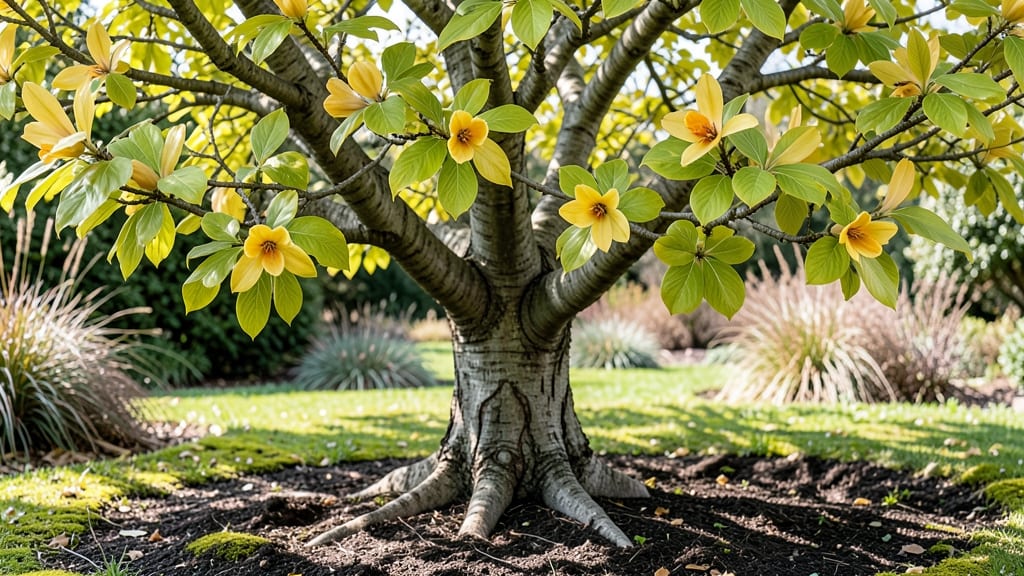
Timing the tulip tree flowering time can feel like waiting for a once-in-a-decade event—because for many gardeners, it is. That stunning yellow-green bloom you’ve been dreaming of might not appear until your tree is 10 years old, and even then, climate and care can shift the schedule dramatically.
If you’re wondering when to expect those iconic flowers in your USDA Zone 6a yard—or how to nudge your 🌳 along faster—this guide cuts through the guesswork.
Most tulip trees in the South burst into bloom as early as April, while their northern cousins in Zones 5–6 might not show flowers until May or June, if at all. The difference comes down to heat accumulation, soil health, and whether your tree is young or mature.
Even a late frost can delay the show, leaving you staring at bare branches longer than you’d like.
Here’s the good news: with the right timing for pruning, fertilizing, and watering, you can encourage earlier blooms—or at least ensure your tree’s flowers arrive when you’re ready to admire them.
We’ll break down the science behind tulip tree flowering, plus actionable tips to give your tree the best shot at putting on its springtime spectacle.
Whether you’re a patient gardener or someone who wants to speed up the process, understanding your tree’s unique rhythm is the first step. Let’s get your 🌳 blooming on schedule—and keep it coming back year after year.
Tulip tree flowering timeline by USDA Zone: when to expect blooms
The tulip tree (Liriodendron tulipifera) is a showstopper when it blooms, but its flowering window varies wildly depending on your USDA zone.
In Zone 4, you might catch those iconic yellow-green blooms as early as late May, while in Zone 9, they could appear by mid-March. Climate shifts—like unseasonable heat waves or late frosts—can push blooms earlier or delay them entirely.
Let’s break down what to expect in your region and how to adjust your garden plans accordingly.
Northern gardeners in Zones 4–6 often face the biggest challenges: frost risks can nip buds before they open, while southern gardeners in Zones 7–9 might see blooms cut short by summer heat.
For example, a Zone 5 gardener I spoke with in Michigan shared how her 15-year-old tulip tree bloomed in early June—two weeks later than expected—due to a cold April snap. Meanwhile, a Zone 8 gardener in Georgia reported blooms as early as late February, thanks to mild winters.
Here’s a zone-by-zone breakdown of when to expect tulip tree flowers, including early vs. late bloomers and how to time your garden visits for the best show. Use this as your guide to avoid missing the 2–3 week flowering window when these trees are at their most spectacular.
If you’re in Zones 4–6, mark your calendar for late May to early June, but stay flexible—unpredictable weather can shift this by weeks.
For instance, a Zone 5 tulip tree in upstate New York might bloom in early June one year and mid-July the next if spring is delayed. In Zones 7–9, you’ll likely see blooms as early as March, but heat waves can cause buds to drop before opening.
A Zone 8 gardener in Texas told me her tree’s blooms lasted only 10 days one year due to a 90°F heatwave in April.
Tree age also plays a role: Young tulip trees (under 10 years) may skip flowering entirely or produce only a few blooms. Mature trees—especially those 20+ years old—typically bloom more reliably.
However, even old trees can take a break if stressed by drought, poor soil, or over-pruning. For example, a 50-year-old tulip tree in Zone 6 might bloom every year, while a 15-year-old in the same zone could go years without flowers.
To maximize your chances of seeing tulip tree blooms, plant in full sun and avoid waterlogged soil. Mulch around the base in early spring to protect roots from temperature swings
How to trigger earlier or more abundant tulip tree flowers
Want your tulip tree (Liriodendron tulipifera) to burst into bloom earlier or produce more flowers? The key lies in strategic pruning, targeted fertilization, and soil optimization. Unlike many trees, tulip trees respond well to careful intervention—especially when they’re young.
For mature trees, the focus shifts to maintaining health rather than forcing blooms. Let’s dive into the science-backed methods that actually work.
First, understand that young tulip trees (under 10 years) often delay flowering because they prioritize root and trunk growth. Mature trees (20+ years), however, may skip blooming due to stress—whether from poor soil, over-pruning, or nutrient deficiencies.
The good news? With the right approach, you can encourage both earlier and more abundant flowers. Start by addressing soil drainage and sunlight exposure, as these are the most common culprits behind delayed blooms.
⚠️ WARNING: Common Mistakes That Kill Blooms
⚠️ Planting in low-light areas (e.g., under dense canopies) starves the tree of the 6+ hours of sunlight it needs to produce flower buds. Even partial shade can delay blooming by 2–5 years.
⚠️ Using high-nitrogen fertilizers (like lawn fertilizers) promotes leafy growth at the expense of flowers. Tulip trees need a balanced NPK ratio (10-10-10) to encourage blooming.
To trigger earlier blooms, prune your tulip tree in late spring or early summer (after flowering) rather than winter. Remove dead or crossing branches to improve airflow, but avoid heavy cuts that stress the tree.
For young trees, focus on shaping rather than size reduction—this encourages a stronger root system, which supports future blooms.
Fertilization is another game-changer. Apply a balanced, organic fertilizer (like compost or 10-10-10) in early spring (March) and again in June. Avoid synthetic fertilizers high in nitrogen, as they can delay flowering by promoting excessive foliage.
For poor soil, amend with compost or aged manure to improve drainage and nutrient availability—tulip trees thrive in slightly acidic to neutral soil (pH 6.0–7.0).
For mature trees, prioritize deep watering (10–15 gallons per tree) every 7–10 days during dry spells. Mulch around the base with 3–4 inches of organic mulch to retain moisture and regulate soil temperature.
If your tree hasn’t bloomed in 3+ years, it may be stressed—check for root rot (waterlogged soil) or pests like spider mites, which can sap energy needed for flowers.
Pro tip: If your tulip tree is in USDA Zone 4–5, protect young buds from late frost by covering them with frost cloth on cold nights.
In warmer zones (7–9), ensure the tree gets enough winter chill hours (500–1,000 hours below 45°F)—without it, blooms may be sparse or nonexistent. With these adjustments, you’ll see earlier, more abundant flowers within 1–2 seasons.