
Flowers
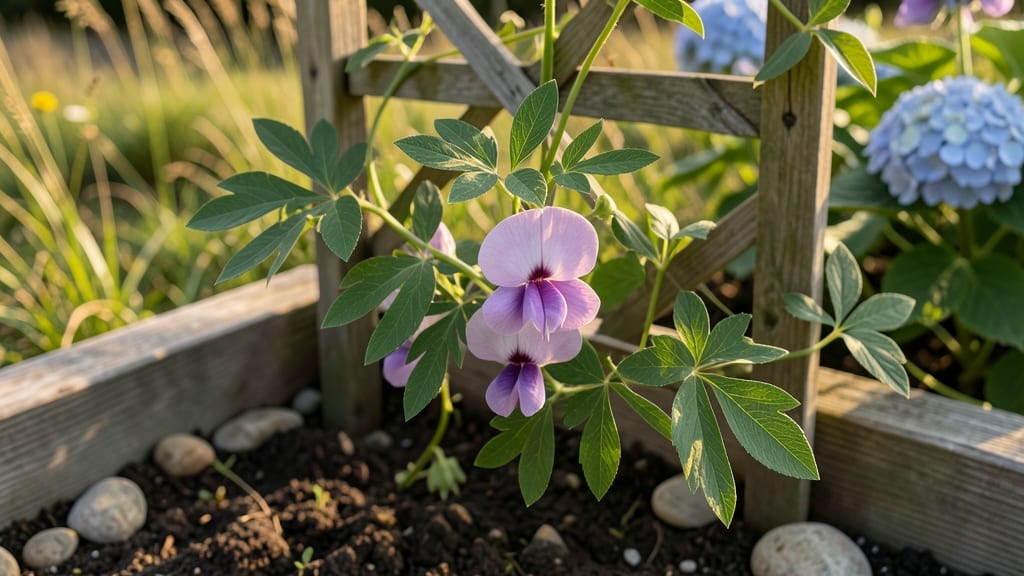
Sweet peas flower in what month do sweet peas flower?—late spring to early summer—turning your garden into a fragrant, climbing rainbow of color—but only if you plant them at the right time.
In most regions, including USDA Zone 6a, these delicate climbers burst into bloom around May or June, with some varieties lingering into August if given the perfect care.
Whether you're a first-time gardener or a seasoned pro, knowing when to expect those 🌸 showstoppers means the difference between a thriving vine and a missed opportunity.
Timing matters because sweet peas are cool-season plants that need a head start. Plant them too late, and you might miss their peak flowering window entirely.
But here's the good news: with the right variety and a little planning, you can stretch their blooms for weeks—or even months—by understanding how climate and planting windows work together. Let me show you exactly how to make that happen in your garden.
If you're in a warmer climate, your sweet peas might start blooming earlier, sometimes as soon as April, while cooler regions could see flowers pushing through the soil as late as July.
The key is knowing your last frost date and choosing varieties that align with your local growing season. I’ll break down everything you need to know to time your plantings perfectly for the most stunning, long-lasting blooms.
Ready to transform your garden into a sweet pea paradise? You’ll discover how to extend their flowering season, pick the best varieties for your zone, and avoid common mistakes that cut blooms short. Let’s get those vines climbing and those flowers blooming on schedule!
Sweet pea flowering months by US hardiness zones: a seasonal breakdown
Sweet peas thrive as cool-season plants, and their blooming schedule varies dramatically depending on your USDA hardiness zone. In colder northern zones (3-5), you’ll see flowers as early as May, while in warmer southern zones (8-10), blooms often appear from September through December.
Understanding these patterns helps you time plantings for non-stop color throughout the growing season.
Unlike many flowers, sweet peas don’t bloom all at once—they produce flowers over 6-8 weeks once established. This means strategic planting can extend your blooming window from late spring to early fall in temperate zones.
Let’s break down the exact months for each zone, including early, peak, and late-season blooms to help you plan like a pro.
🌱 Pro Tip: Sweet peas need cool nights (below 75°F) to trigger blooming. In hot climates, afternoon shade and consistent watering can encourage more flowers. In colder regions, a light frost can actually stimulate blooming after dormancy.
In USDA zones 3-5, sweet peas are classic spring bloomers, with flowers appearing as soon as soil warms to 50°F. The peak blooming period occurs in June and July, but with proper care, you can coax late-season flowers into August before frost sets in.
For northern gardeners, March-April planting is key—sow seeds indoors 8-10 weeks before your last frost date for early blooms.
Gardeners in zones 6-7 enjoy a longer blooming window thanks to milder winters. Start with early spring plantings in February-March for blooms by April-May, then follow up with late summer plantings in September for fall color.
The peak blooming months here are May-June and July-August, creating a near-continuous display.
Southern growers in zones 8-10 often overlook sweet peas, but they thrive in fall and winter when temperatures drop. Plant seeds in July-August for September blooms, and enjoy flowers through November-December.
In Zone 10, sweet peas can bloom year-round with shade, though their best performance comes in cooler months.
💡 Climate Hack: If you live in a hot summer zone (8-10), try planting sweet peas in partial shade during peak heat. This prevents bolting (premature flowering) and encourages stronger stems and more blooms. A 50% shade cloth works wonders in June-July.
For gardeners in transition zones (7-8), a two-part planting strategy works best: spring plantings for summer blooms and fall plantings for winter color. This creates a 12-month blooming cycle with minimal effort.
Just remember to deadhead spent blooms to encourage new flowers and extend the season by 3-4 weeks.
Sweet peas also respond well to succession planting. In zones 3-7, sow new seeds every 2-3 weeks from March through May to stagger blooms. This ensures you always have fresh flowers on the trellis, from late spring to early fall.
In warmer zones, July-August plantings set up stunning fall displays.
One common mistake is assuming sweet peas only bloom once. In reality, they produce flowers continuously for 6-8 weeks with proper care. The key is maintaining cool soil temperatures and consistent moisture. Mulch with straw or shredded leaves to keep roots cool and water deeply every 2-3 days during
How to extend sweet pea blooms: 3 pro tips for longer-lasting flowers
Sweet peas may bloom beautifully, but their natural flowering cycle often feels too short for most gardeners. The secret to longer-lasting blooms lies in three simple yet powerful strategies that mimic their natural growing conditions.
By focusing on deadheading, soil fertility, and pest control, you can turn a few weeks of color into months of continuous fragrance and beauty. These techniques work for both cool-season varieties and those planted in mild climates where blooms can stretch into fall.
First, let’s address the most common mistake: letting spent blooms linger. When you skip deadheading, your sweet peas waste energy producing seed pods instead of new flowers. This simple act alone can double your blooming time—and it takes just minutes per plant.
Pair that with the right soil nutrients, and you’ll create an environment where your vines thrive rather than struggle. Finally, smart companion planting keeps pests at bay, ensuring your sweet peas focus on growth instead of defense.
Here’s how to implement these three strategies for maximum blooms from spring through fall in suitable climates:
- 1 Deadhead daily to prevent seed formation. Use clean pruning shears to snip spent blooms just above the first leaf node. This redirects energy to new flowers and keeps vines bushier.
- 2 Fertilize every 4-6 weeks with a balanced 10-10-10 NPK fertilizer. Apply in the morning to avoid leaf burn, and water thoroughly afterward. Stop fertilizing in late summer to encourage fall blooms before dormancy.
- 3 Plant pest-repelling companions like marigolds or nasturtiums nearby. These deter aphids and slugs, which can defoliate sweet peas and shorten their blooming season. Add a trellis for vertical growth to improve air circulation.
For a seasonal checklist, start by deadheading in May or June (depending on your zone) and continue weekly until frost. In Zone 6a, this means blooms can last until late August or September with proper care.
Fertilize in April, June, and August to support continuous growth, and always water at the base of the plant in the morning to prevent fungal issues.
One of my favorite tricks is to stagger plantings every two weeks. By sowing new seeds in early May and late June, I ensure a steady supply of blooms from June through October.
This works especially well in milder climates where frost isn’t a concern. Pair this with regular pruning to remove leggy growth, and your sweet peas will reward you with non-stop color all season long.
Don’t forget to harvest flowers in the morning when they’re fully open but still fresh. This not only extends the vase life of your cut blooms but also encourages the plant to produce more flowers.
With these strategies, you’ll turn your sweet pea vines into a fragrant, blooming machine that keeps your garden vibrant from spring to fall.