
Flowers
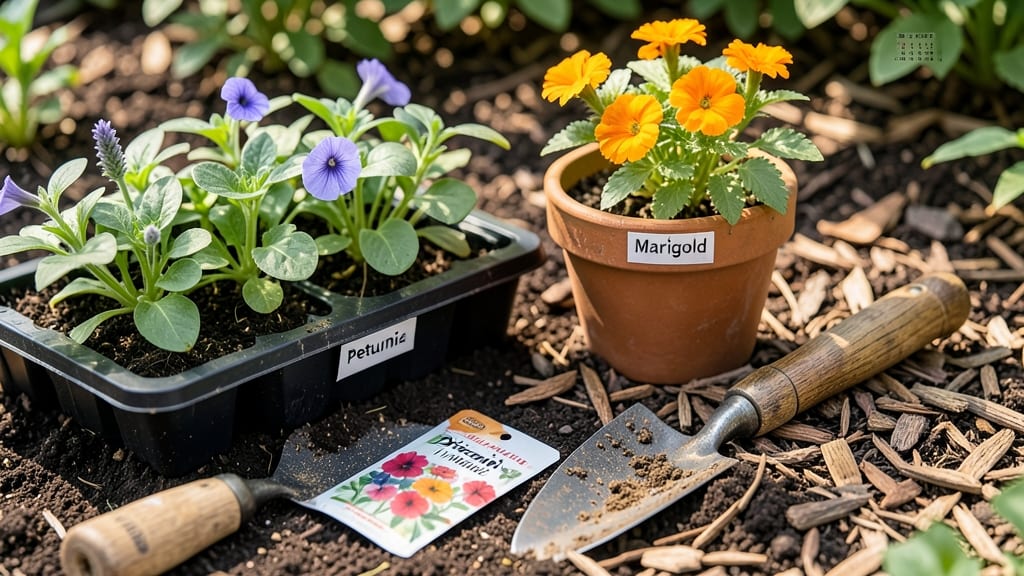
When can you start planting flowers at the right time can mean the difference between a garden bursting with 🌸 and one that never quite takes off. The key to perfect blooms starts with understanding when to start planting flowers—because soil temperature and frost dates hold all the secrets to success.
If you've ever watched your seedlings wilt after a surprise frost or struggled with stunted growth from planting too early, you're not alone. The solution lies in knowing your local frost dates and adjusting your schedule accordingly—whether you're in USDA Zone 6a or another region.
I'll walk you through the exact rules for planting flowers so you can avoid common mistakes and enjoy vibrant blooms all season.
For spring-blooming varieties, the window is narrow but critical: March through May after the last frost (around April 15 in Zone 6a). Fall-blooming flowers, on the other hand, thrive when planted in August or September.
Let’s break down the best practices for your climate to ensure your flowers get the head start they deserve.
Ready to transform your garden? You’ll discover how to test soil temperature, adjust for microclimates, and even extend your planting season with containers or greenhouses. Let’s get those flowers growing perfectly!


Soil temperature guidelines for planting flowers by type
Getting the soil temperature right is the secret to successful flower planting. Too cold, and seeds rot; too hot, and seedlings bolt.
Most flowers need soil temperatures between 50°F and 85°F to thrive, but the ideal range varies by type. Cool-season blooms like pansies can handle 40°F soil, while warm-season favorites like marigolds need 60°F+ to germinate. Let’s break down the rules so you plant at the perfect time.
Before digging in, test your soil with a soil thermometer (insert 2-3 inches deep). Morning is best—soil temps spike in the afternoon. If your garden is still chilly, use black plastic mulch or cold frames to warm it up.
For annual flowers, wait until the soil stays consistently above 55°F for at least a week. Perennials often tolerate cooler soil, but their roots need time to establish before summer heat arrives.
Here’s a quick reference for soil temperature thresholds by flower type, so you can avoid common mistakes like planting too early or too late.
| Flower Type | Ideal Soil Temp (°F) | Best Planting Time | Notes |
|---|---|---|---|
| Cool-Season Annuals | 40–55°F | Early spring or fall | Pansies, snapdragons, sweet peas |
| Warm-Season Annuals | 60–85°F | After last frost, late spring | Marigolds, zinnias, petunias |
| Perennials (Spring) | 50–60°F | Early spring, before buds swell | Coneflowers, black-eyed Susans |
| Bulbs (Spring) | 45–55°F | Fall (6–8 weeks before frost) | Tulips, daffodils, hyacinths |
| Fall-Blooming Perennials | 60–70°F | Late summer (August–September) | Mums, asters, sedum |
For cool-season flowers, like pansies or snapdragons, you can start planting as soon as the soil warms to 40°F—even before the last frost. These hardy blooms tolerate light frosts and often thrive in spring’s cooler temps.
Just cover them with frost cloth if nighttime temps dip below 28°F. I’ve had success planting sweet peas in early March in my Zone 6a garden, and they reward me with fragrant blooms by May.
On the other hand, warm-season flowers like marigolds or zinnias won’t germinate until the soil hits 60°F. Waiting too long can lead to bolting (premature flowering), which means smaller blooms and shorter vase life.
Use a soil warming trick: Lay down black plastic mulch a few weeks before planting to raise the temperature naturally. For container gardens, place pots in a sunny, sheltered spot to speed up soil warming.
Perennials are a bit more forgiving, but timing still matters.
Most need to be planted when the soil is 50–60°F—early enough for roots to establish before summer heat arrives. Coneflowers and black-eyed Susans are great examples: plant them in early spring (as soon as the ground is workable), and they’ll reward you with season-long blooms.
If you’re in a warmer climate (Zones 8–10), you can plant perennials in fall instead, giving them time to root before winter rains arrive.
Bulbs are a special case. For spring-blooming bulbs like tulips or daffodils, plant them in fall when soil temps are 45–55°F. This gives roots time to grow before winter dormancy. In southern climates, you might need to plant bulbs in winter to avoid summer heat stress.
For fall-blooming bulbs like crocuses, plant them in late summer when soil is still warm but cooling.
If you’re unsure whether your soil is ready, do a simple finger test: Push your finger into the soil. If it feels cool but not icy, it’s likely in the 5
How to adjust planting timing for your climate zone
Your USDA hardiness zone and local microclimate determine whether your flowers thrive or struggle. In Zone 6a, for example, the last frost typically hits around April 15, but urban areas may experience frost up to 2 weeks later.
Rural spots often warm up faster. Adjusting your planting schedule based on these factors ensures your flowers get the best possible start.
Start by checking your frost-free dates—these are the bookends for your planting window. For spring flowers, aim to plant 2-4 weeks after the last frost to avoid cold snaps. In frost-free zones (like Zones 9-11), you can plant year-round, but timing still matters to avoid summer heat stress.
Always verify local frost dates through resources like the National Oceanic and Atmospheric Administration (NOAA).
- Zone 3-5: Start indoor seeds 6-8 weeks before last frost (typically February-March). Transplant outdoors after May 1.
- Zone 6-8: Begin indoor seeds 4-6 weeks before last frost (March-April). Direct-sow after April 15.
- Zone 9-11: Plant year-round but avoid peak summer heat (June-August). Use shade cloth for delicate flowers.
- High-altitude: Adjust 2 weeks earlier than zone guidelines (colder microclimates). Test soil temperature with a soil thermometer.
- Urban areas: Wait 1-2 weeks longer than rural zones (heat islands delay frost). Monitor local weather apps for updates.
- Coastal regions: Plant 2-3 weeks earlier than inland zones (milder winters). Watch for fog delays in spring.
For annual flowers, like marigolds or petunias, start seeds indoors 4-6 weeks before your last frost date. Transplant them outdoors once nighttime temperatures consistently stay above 50°F (10°C).
Perennials, such as coneflowers or black-eyed Susans, can handle cooler soil and often do well when planted in early spring or fall.
Microclimates play a huge role in planting success. A south-facing wall or paved surface can create a warmer microclimate, allowing you to plant 2 weeks earlier than your zone suggests.
Conversely, low-lying areas or shaded spots may need a 1-2 week delay. Use a soil thermometer to confirm readiness—most flowers need soil temps between 60-70°F (15-21°C) for optimal germination.
Extend your planting season with containers or greenhouses. Potted flowers warm up faster in spring and can be moved to protect them from late frosts. In frost-free zones, use shade cloth during summer to prevent heat stress.
For bulbs like tulips or daffodils, plant them 6-8 weeks before the first frost in fall to ensure robust spring blooms.
Don’t let unpredictable weather derail your plans. Always have a backup plan—like extra seedlings or a row cover