
Flowers
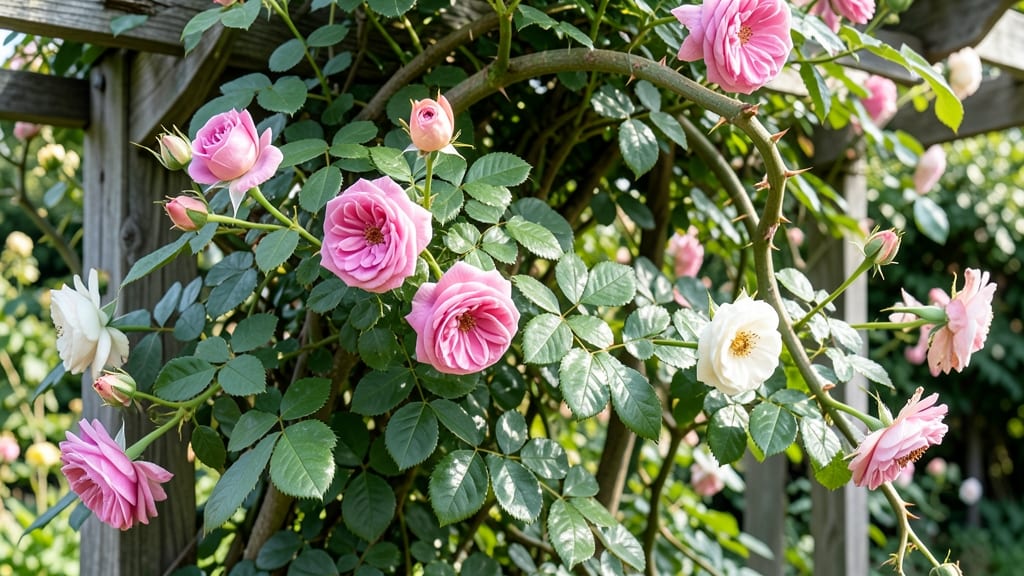
Climbing roses flower at the most magical times of year—when your garden transforms into a fragrant, colorful masterpiece. If you’ve ever waited eagerly for those first delicate buds to appear, only to be met with disappointment, you’re not alone.
The timing of their blooms depends on more than just the calendar; it’s a delicate dance between variety, climate, and even how you care for them.
For most climbing roses in USDA Zone 6a, like the ones thriving in your backyard, the show typically begins in late spring—around May—when the air warms and daylight stretches longer.
But here’s the twist: some varieties, like the legendary 'New Dawn', can reward you with repeat blooms all season long, while others might surprise you with a second flush in early fall. Understanding these patterns is the key to planning your garden’s grandest moments.
What if I told you that a few simple adjustments—like strategic pruning or choosing the right variety—could extend your climbing rose’s flowering season by weeks?
Whether you’re a seasoned gardener or just starting your green thumb journey, these insights will help you time your planting, feeding, and maintenance like a pro. Let’s dive into the secrets behind those perfectly timed blooms and keep your garden in full glory from spring to fall.
From the first blush of petals to the last lingering scent of summer, your climbing roses deserve the best care. By learning when and why they flower, you’ll unlock the potential for a garden that doesn’t just survive the seasons—it thrives in them.
Ready to turn your 🌹 dreams into reality?
Climbing rose bloom seasons: general timeline by climate zone
Climbing roses are nature’s seasonal showstoppers, but their bloom times vary dramatically based on your USDA climate zone and the specific variety you’ve chosen.
In cooler zones like 3-5, expect a shorter bloom window triggered by warmer spring temperatures, while warmer zones 8-10 may enjoy extended flowering into fall. Understanding these patterns helps you select roses that align with your local growing season.
The key to predicting bloom times lies in three environmental triggers: sunlight exposure, temperature thresholds, and daylength changes.
Most climbing roses need 6+ hours of direct sun daily to set buds, but the actual flowering window shifts based on whether your zone experiences hot summers or mild winters.
For example, repeat-blooming varieties in zone 9 might flower in spring and fall, while single-bloomers in zone 5 may only shine in late spring.
Below is a zone-by-zone breakdown of typical bloom seasons, including early, mid, and late bloomers. Use this as your guide to plan pruning, fertilizing, and support structures before the flowers appear. Remember, late frosts can delay blooming, while heatwaves may cause buds to drop prematurely in hotter zones.
In USDA zones 3-4, where winters are harsh, climbing roses typically bloom just once in late spring after the soil warms to at least 50°F. Varieties like 'New Dawn' are cold-hardy champions, often producing pink blooms that last 3-4 weeks.
Prune these roses in early spring to encourage robust growth before the bloom season begins.
Zones 5-6 enjoy a slightly extended window, with many repeat-blooming varieties producing a secondary flush in late summer. The key here is consistent moisture—drought stress can cause buds to abort.
I’ve found that mulching heavily in early spring helps regulate soil temperature and keeps roots cool during heatwaves that might otherwise stress the plant.
For gardeners in zones 7-8, the real magic happens with seasonal extensions. Many roses here bloom in spring and fall, with some varieties like 'Mermaid' producing nearly continuous flowers if deadheaded regularly.
The longer daylight hours of summer trigger these repeat cycles, but evening watering is critical to prevent fungal diseases in humid climates.
In the warmest zones (9-10), climbing roses can flower year-round with minimal dormancy. Varieties like 'Manetti' thrive here, offering bright red blooms from early spring through fall.
However, heat stress above 90°F can cause buds to drop, so providing afternoon shade during peak summer months is essential for maintaining bloom production.
Regardless of your zone, pruning timing directly impacts bloom seasons. For spring-blooming varieties, prune in late winter to shape the plant. For repeat-bloomers, prune after their final bloom of the season to encourage next year’s buds.
I always mark my calendar for February 1st in cooler zones and November 1st in warmer zones as my pruning deadlines.
One final tip: Monitor your local microclimate. A south-facing wall can extend the bloom season by 2-3 weeks compared to open
Top 5 climbing rose varieties ranked by flowering time
Choosing the right climbing rose variety can transform your garden into a year-round floral spectacle. Some varieties burst into bloom early, while others reward you with late-season color or even repeat flowering.
If you’re in USDA Zones 6-9, these five standout varieties will help you plan for timed blooms that align with your garden’s rhythm.
The key to maximizing your roses’ potential lies in understanding their natural bloom cycles. Early bloomers like 'Blaze' kick off the season with vibrant colors, while late-season varieties like 'Zephirine Drouhin' extend the show well into fall.
Repeat-bloomers, such as 'New Dawn', can give you multiple flushes of flowers throughout the growing season, making them a favorite for continuous color.
'New Dawn' is my top pick for year-round interest—it blooms from late May through October, making it a repeat-flowering superstar. This variety thrives in USDA Zones 5-9 and handles partial shade better than most, which is a game-changer if your garden has limited sun exposure. The pink blooms are not only stunning but also disease-resistant, reducing the need for constant care.
If you’re dreaming of early-season drama, 'Blaze' delivers with its bright orange-red flowers that appear in early June and continue through August. This variety is perfect for USDA Zones 6-10 and loves full sun, so place it where it can soak up those rays.
The trade-off? It’s a single-flowering variety, so you’ll need to pair it with others for continuous color.
For those who adore romantic, climbing vines, 'Zephirine Drouhin' is a must. Its delicate pink flowers bloom from late June through September, creating a cascading effect that’s pure magic. This variety is ideal for USDA Zones 6-9 and thrives on a sturdy trellis or arbor.
The climbing habit makes it perfect for vertical gardening, adding height and elegance to any space.
If you prefer a bold statement with minimal maintenance, 'Mermaid' offers vibrant yellow blooms that appear in mid-June and last through July. This single-flowering variety is best suited for USDA Zones 6-10 and loves full sun. While its bloom time is brief, the impact is undeniable—think of