
Flowers
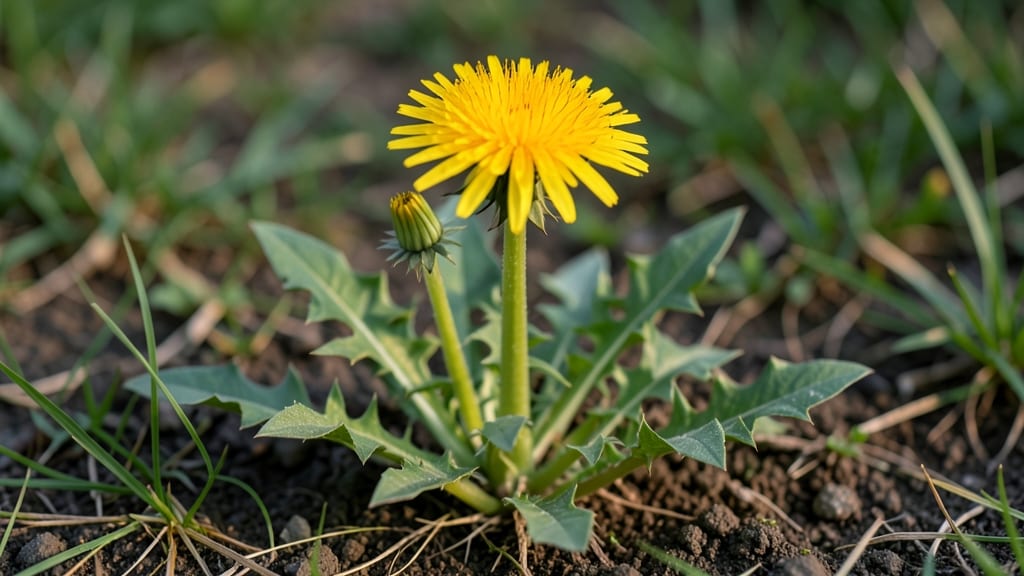
If you’ve ever spotted those bright yellow 🌼 dandelions popping up in your yard and wondered when do dandelions flower, the answer isn’t as simple as you might think.
These hardy perennials don’t follow a strict calendar—their flowering window shifts based on where you live, the weather, and even your elevation.
In most temperate zones, like USDA Zone 6a, dandelions typically start flowering as early as March, with peak blooms stretching through April and May. But if you’re in a cooler climate, like Zone 3, you might not see them until late spring or early summer.
The key? Soil temperatures rising above 40°F triggers their bloom cycle.
What makes dandelions unique is their persistence—they’ll keep flowering in waves until the first frost, often producing multiple generations in a single season. This means if you’re harvesting their edible greens or simply admiring their cheerful faces, you’ve got a longer window than you might expect.
Whether you’re planning to enjoy their early spring blooms or manage their spread, understanding these patterns helps you stay ahead. Let’s break down exactly when to expect those bright yellow puffs in your area—and what to do once they arrive.
Dandelion flowering timeline by USDA plant hardiness zones
Dandelions (Taraxacum officinale) are nature's early bloomers, but their exact flowering windows depend heavily on your USDA hardiness zone. In warmer zones like 5-10, you'll see those bright yellow flowers as early as February, while colder zones like 3-4 may wait until May.
These differences matter whether you're harvesting edible greens or managing their spread in your lawn.
Dandelions are perennial plants, meaning they return year after year, but their first bloom each season depends on soil temperatures reaching 40-45°F. Warmer winters in southern zones trigger earlier flowering, while northern zones experience delayed blooms until stable spring temperatures arrive.
Understanding these patterns helps you time harvesting or control efforts more effectively.
Here's a detailed breakdown of when dandelions typically flower across USDA zones, including the primary bloom window and secondary blooms that may occur later in the season:
| USDA Zone | Primary Bloom Window | Secondary Blooms | Temperature Trigger | Notes |
|---|---|---|---|---|
| Zones 3-4 | Late May - Early June | July - August | Soil 45°F+ for 7+ days | Coldest zones; blooms delayed until stable warmth |
| Zones 5-6 | Early April - Mid-May | June - July | Soil 40°F+ for 5+ days | Transition zones; earliest blooms in urban heat islands |
| Zones 7-8 | February - March | April - May, September | Soil 38°F+ for 3+ days | Mild winters allow early flowering; fall blooms possible |
| Zones 9-10 | January - February | March - April, October | Soil 35°F+ for 2+ days | Warmest zones; year-round growth possible in frost-free areas |
In zones 3-4, dandelions often wait until late spring to bloom because frost risks are higher. These northern regions experience what gardeners call "late spring bloomers", where flowers may not appear until after the last frost date.
The secondary bloom in summer provides another harvest window for edible flowers and greens.
For zones 5-10, the story changes dramatically. These areas see "early spring bloomers", with flowers appearing as soon as soil warms. In zone 9-10, you might even spot dandelions blooming in January during mild winters.
The key temperature trigger here is soil reaching 35-40°F consistently, which happens much earlier in southern climates.
Did you know that urban dandelions often bloom 2-4 weeks earlier than rural ones? Heat island effects from pavement and buildings create microclimates where soil warms faster.
If you're in an urban area within zones 5-8, expect your dandelions to flower about 10-14 days ahead of rural counterparts in the same zone.
Temperature isn't the only factor—altitude also shifts bloom times. For every 1,000 feet gain in elevation, dandelions typically bloom 1-2 weeks later.
This means a dandelion at 5,000 feet in zone 6 might flower when its lowland cousin at 1,000 feet has already finished its primary bloom cycle.
Pro tip: If you're harvesting dandelion greens for salads, aim to pick leaves 2-3 weeks before the first flowers appear. This ensures tender growth with maximum nutritional value. For flower harvesting, wait until morning when blooms are fully open but before bees have visited, preserving their sweetness.
Understanding these zone-specific bloom windows helps you plan your garden strategy. Whether you're encouraging dandelions for their edible benefits or managing their spread, timing is everything. Next time you spot those cheerful yellow puffs, you'll know exactly what season—and zone—they're announcing!
How climate and location affect dandelion bloom times
Your dandelions might bloom weeks earlier in the city than they do in the countryside. Urban areas often experience the urban heat island effect, where pavement and buildings trap heat, pushing soil temperatures above the 40°F threshold needed for flowering.
This can mean dandelions in Zone 6a cities like Chicago or Denver start blooming in late February or early March, while rural areas might see their first flowers in mid-April.
Even within a single region, altitude changes everything. Dandelions at 5,000 feet elevation (like in Colorado) may bloom 2-4 weeks later than those at sea level. That’s because cooler temperatures at higher elevations delay the soil warming that triggers flowering.
For example, a Denver yard might see peak blooms in May, while a similar yard in nearby Boulder (higher elevation) could wait until June.
🌱
🌱 Key Factors Shifting Dandelion Bloom Times
📍 Urban vs. Rural: Cities bloom 2-3 weeks earlier due to heat retention.
⛰️ Altitude Impact: Every 1,000 ft gain delays blooms by 1 week.
🌧️ Rainfall Triggers: Wet springs create 'superbloom' years with synchronized flowering.
☀️ Sunlight Hours: 6+ hours daily accelerates bloom cycles by 10-15%.
Rainfall plays an unexpected role too. After a wet winter, dandelions across entire regions can bloom simultaneously—a phenomenon called a superbloom. In 2023, parts of California saw dandelion carpets appear in February after record rainfall, while drier areas in Texas waited until April.
This happens because consistent moisture helps dandelions build energy reserves faster, pushing them into bloom earlier.
If you’re tracking dandelion blooms for harvesting greens, note that urban dandelions often produce smaller, more bitter leaves due to pollution, while rural varieties stay tender longer.
For the best flavor, harvest leaves when they’re fully unfurled but still soft, typically 2-3 weeks before flowering begins in your area.
Even microclimates matter. A south-facing slope in your yard might see dandelions bloom 10 days earlier than a shaded north side. Pay attention to where they appear first—those spots will give you the earliest warning of spring’s arrival each year.
🌿