
Flowers
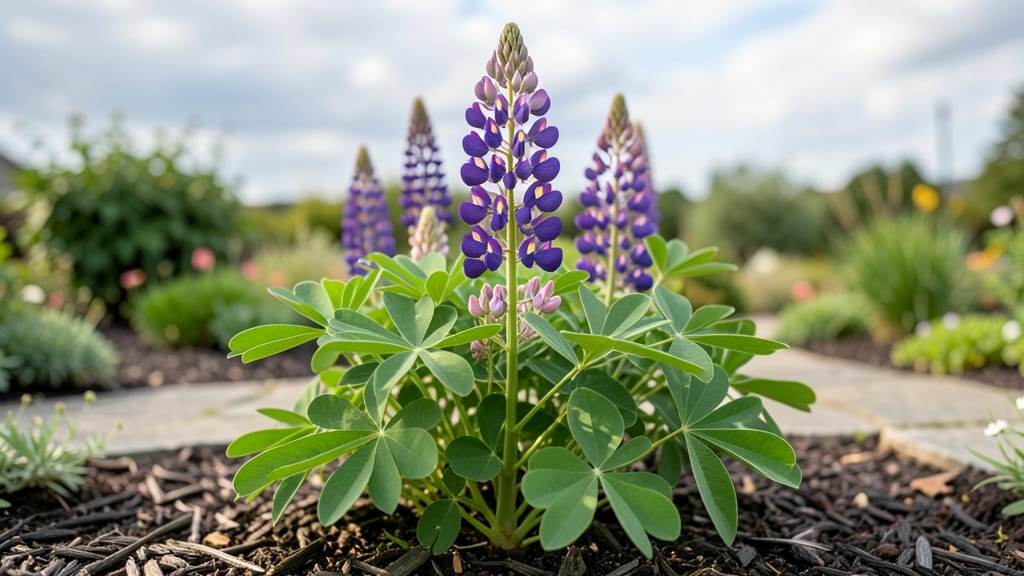
If you’ve ever planted lupins 🌸 hoping for a burst of color but ended up with just tall stems, when do lupins flower is the key question. These striking flowers follow a predictable schedule, and knowing when they bloom helps you plan your garden for maximum impact.
The answer isn’t one-size-fits-all—most varieties burst into bloom between late spring and early summer, but cooler climates (like USDA Zone 6a) can push that window later. Whether you’re growing the classic Russell Hybrid or the compact Galveston, understanding your lupins’ natural rhythm means you’ll never miss their show-stopping display.
Climate plays a bigger role than you might think. Warmer zones might see flowers as early as May, while colder areas could wait until June. I’ll break down exactly how to time your planting for vibrant blooms, no matter where you garden.
Ready to transform your yard with lupins that flower on cue? Let’s dive into the secrets of their blooming schedule and how you can encourage those showy spikes year after year.
Lupin flowering months by variety: a seasonal breakdown
Lupins are one of the most dramatic spring flowers you can grow, with vibrant blooms that last for weeks. But knowing when lupins flower depends heavily on the variety you choose and your USDA climate zone.
Some varieties burst into bloom as early as April in warm zones, while others wait until June in cooler regions. Let’s break down the typical flowering windows for popular lupin types so you can plan your garden for maximum impact.
The key to predicting lupin blooms is understanding their growth cycle. Most lupins are cool-season plants that thrive when temperatures rise but haven’t yet hit summer’s peak. This means late spring to early summer is their prime time, but exact timing shifts based on location and variety.
For example, Galveston lupins often bloom earlier than Russell Hybrids, making them ideal for Zone 7 gardens where summers arrive quickly.
Here’s a quick reference for the most popular lupin varieties and their typical flowering months across USDA zones 5-10. Use this as your garden planning guide to ensure you’re planting at the right time for show-stopping blooms.
If you’re in USDA Zone 5 or 6, aim to plant lupin seeds in early spring (March-April) for late spring blooms. The cooler temperatures slow early growth, but once frost risk passes, they’ll bolt into flower with stunning results.
For Zones 7-10, you can even sow seeds in late winter (February-March) to catch that early spring bloom window.
One pro tip for extending lupin blooms: deadhead spent flowers regularly. This encourages new flower production and can push your lupins to rebloom for an extra 2-4 weeks.
Just be gentle—lupins have delicate stems, and over-pruning can stress the plant. A simple snip with clean bypass pruners is all you need.
For longer-lasting color, pair lupins with complementary perennials like delphiniums or hollyhocks. These plants share similar sun and soil preferences but bloom at slightly different times, creating a sequential color show from spring through summer.
Think of lupins as the star of the early show, with others taking over as temperatures rise.
If you’re in a warmer climate (
How climate zones affect lupin flowering times
Lupins are stunning spring bloomers, but their flowering schedule shifts dramatically depending on where you live. In USDA Zone 9, you might see vibrant spikes as early as March or April, while gardeners in Zone 5 often wait until late May or June.
These differences come down to three key factors: temperature, frost cycles, and daylight hours. Understanding these will help you time your planting for the most dramatic displays.
The last frost date is your biggest clue. Lupins need consistent warmth to trigger blooming, so planting too early in cold zones can delay flowers by weeks. For example, my Russell Hybrid lupins in Zone 6a rarely bloom before mid-May because early spring frosts can stunt growth.
Meanwhile, in Zone 10, lupins often start flowering in February—sometimes even earlier with protection from cold snaps.
🌱 When Do Lupins Flower?
- 🌡️ Zone 9-10: February-March (early bloomers with mild winters)
- 🌿 Zone 7-8: March-April (moderate climates with occasional frosts)
- 🥶 Zone 5-6: May-June (late bloomers due to frost risk)
- ☀️ Daylight Trigger: 14+ hours of light speeds up blooming in all zones
- ⏰ Planting Tip: Sow 6-8 weeks before last frost for optimal timing
Daylight hours play a surprising role too. Lupins are long-day plants, meaning they need 14+ hours of daylight to trigger flowering. In northern zones, this happens naturally in late spring, but in southern climates, lupins may start blooming earlier if days lengthen sooner.
For example, my Galveston Blue lupins in Zone 8 often flower in April because they receive enough light by then, while the same variety in Zone 6 might wait until May.
Adjusting your planting schedule is the easiest way to sync lupin blooms with your garden’s peak season. If you live in a cooler zone, start seeds indoors 8-10 weeks before last frost to give them a head start.
In warmer zones, you can plant directly in late winter for early flowers. Just remember: lupins hate soggy soil, so always choose a well-draining spot to prevent rot, which can delay blooming.
Another pro tip? Deadhead spent blooms to encourage a second flush of flowers in Zone 9 and above. I’ve seen my lupins produce secondary blooms in late summer when I remove faded spikes promptly.
In colder zones, this trick works less reliably, but it’s worth trying if you want to extend your lupin season. Just be patient—some varieties, like Blue Peter, take longer to rebound after the first bloom.
Finally, don’t overlook soil temperature. Lupin seeds need soil that’s at least 50°F (10°C) to germinate. In Zone 4 or 5, wait until late April or early May to plant outdoors, even if the air is warm.
Cold soil can stall growth for weeks, pushing back your blooming window. For a foolproof method, use row covers in early spring to warm the soil faster and jumpstart growth.