
Blooming
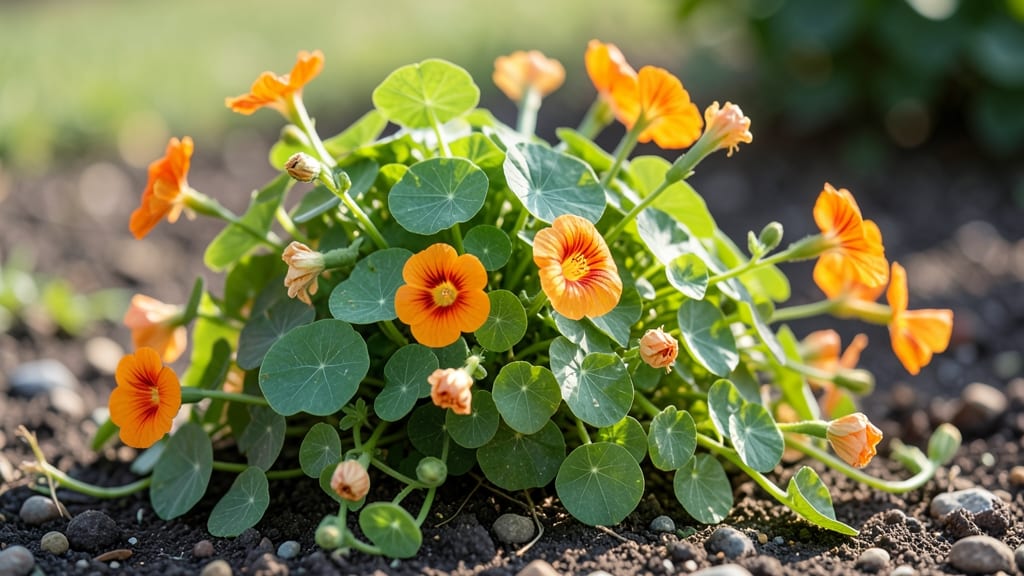
If you're dreaming of a garden bursting with vibrant 🌸 nasturtiums, when do these cheerful flowers bloom—because timing is everything.
Whether you’re in a cooler climate like USDA Zone 6a or a warmer region, knowing when to expect those first colorful faces helps you plan for months of show-stopping color.
The good news? Nasturtiums are prolific bloomers, often producing flowers from early summer through fall with the right care. But their exact flowering window depends on whether you’re growing the classic Jewel Mix or a late-season variety like the Alaska series.
I’ll break down the typical bloom cycles so you can set your garden up for success.
Ready to unlock the secrets of longer-lasting blooms? You’ll discover how to adjust planting times, tweak care routines, and even extend the season—because with nasturtiums, the show doesn’t have to end until frost hits. Let’s get those flowers popping!
From April plantings to October harvests, the key lies in understanding your local climate and variety. Whether you’re a seasoned gardener or just starting, these insights will help you time your nasturtiums perfectly for a garden that stays bright all season long.
Nasturtium flowering timeline by variety: when to expect blooms
Nasturtiums (Tropaeolum spp.) are famous for their quick blooms, but not all varieties follow the same schedule. Some burst into color within weeks of planting, while others take their time—yet all reward you with continuous blooms if you time your planting right.
The key to maximizing your season-long display lies in choosing the right variety and planting it at the perfect moment for your climate.
Early bloomers like the Jewel Mix can start flowering just 6-8 weeks after sowing, while trailing varieties such as Alaska Series may take 8-10 weeks to show off their first blossoms. Understanding these differences helps you plan for a sequential bloom that keeps your garden vibrant from spring through fall.
Let’s break down the flowering timelines by variety so you can strategize your planting calendar.
Pro Tip: For the longest bloom season, start seeds indoors 4-6 weeks before your last frost date. This gives early varieties like Empress of India a head start, while trailing types like Black Velvet can catch up once transplanted outdoors.
| Variety | First Blooms After Planting | Peak Bloom Period | Bloom Duration | Ideal Planting Window |
|---|---|---|---|---|
| Jewel Mix | 6-8 weeks | June-August | 6-8 weeks | Direct sow after frost |
| Alaska Series | 8-10 weeks | July-September | 8-10 weeks | Start indoors 4-6 weeks before last frost |
| Empress of India | 7-9 weeks | June-September | 12+ weeks | Direct sow or transplant early spring |
| Peppered Senation | 8-10 weeks | July-October | 10+ weeks | Direct sow after frost or late spring |
| Black Velvet | 9-11 weeks | August-October | 8-10 weeks | Start indoors 6-8 weeks before last frost |
If you’re aiming for a continuous bloom from early summer through fall, mix early and late varieties. For example, pair Jewel Mix (which starts early) with Black Velvet (a late bloomer) to create a non-stop color show.
This strategy also works well in containers, where you can layer plants to extend the visual impact.
Trailing varieties like the Alaska Series are perfect for hanging baskets and window boxes. They typically take slightly longer to flower but reward you with longer-lasting blooms that cascade beautifully. Plant these in full sun to encourage robust growth and abundant flowers.
For cold climates (USDA Zones 3-5), consider starting seeds indoors in early spring. This gives you a jump on the season, especially for varieties like Empress of India, which can handle cooler temperatures better than heat-sensitive types.
In warmer climates (Zones 8-11), you can even plant nasturtiums in fall for winter blooms.
Watch for visual cues like bud formation and leaf color to predict blooming. Healthy nasturtiums develop bright green leaves before producing buds, which swell into flowers within 2-3 weeks. Deadheading spent blooms encourages new flower production, extending your display by several weeks.
Remember, nasturtiums thrive in poor soil and don’t need much fertilizer. Over-fertilizing can lead to leafy growth at the expense of flowers. Instead, focus on well-draining soil and regular deadheading to keep your plants blooming their best.
Climate-specific nasturtium blooming seasons: adjusting for your Zone
Your local climate zone is the #1 factor in determining when nasturtiums will burst into bloom. In cooler northern zones (3-6), expect flowers to appear 6-8 weeks after planting, often starting in mid-June and lasting until frost.
Meanwhile, in warmer southern zones (8-11), blooms can begin as early as April and continue through November with proper care. The key difference? Daylight hours and temperature thresholds trigger flowering differently across regions.
For USDA Zone 3-6 gardeners, nasturtiums are cool-season survivors that tolerate light frosts. Plant seeds as soon as soil is workable (around late April) for early blooms.
In Zone 7-11, heat-tolerant varieties like 'Empress of India' thrive year-round in mild winters, while others may need partial shade during peak summer to prevent bolting. Understanding these patterns lets you extend your bloom season by weeks.
| Climate Zone | Typical Bloom Start | Peak Bloom Period | Best Varieties | Planting Tip |
|---|---|---|---|---|
| Zones 3-5 | Mid-June | July-Sept | Alaska, Peppered Senation | Start indoors 6-8 weeks before last frost |
| Zones 6-7 | Late May | June-October | Jewel Mix, Tom Thumb | Direct sow after soil reaches 50°F |
| Zones 8-10 | April-May | May-November | Empress of India, Canary Bird | Succeeds in partial shade; mulch for heat |
| Zone 11 | Year-round | Feb-Dec | All varieties | Plant in containers for mobility |
In northern climates (Zones 3-6), I recommend using black plastic mulch to warm soil faster and trigger earlier blooms. For southern gardens (Zones 8-11), shade cloth during 100°F+ days prevents early bolting.
Both strategies help you align flowering with your preferred season, whether that's spring weddings or fall harvests. The secret? Adjust planting times by 2-4 weeks based on your zone's last frost date.
Did you know? Day-neutral varieties like 'Alaska' continue blooming even as days shorten, making them ideal for Zone 6-7 gardens. Meanwhile, heat-loving types such as 'Empress of India' in Zones 9-11 reward gardeners with year-round color when given afternoon shade.
The right variety for your climate can extend your bloom season by 3-6 months—that's a game-changer for gardeners craving continuous color!
For extended blooms, I suggest planting two batches of seeds: one in early spring and another in mid-summer. This staggered approach ensures you have continuous flowers from June through October in most zones.
Pair this with regular deadheading to encourage new buds, and you'll enjoy non-stop nasturtiums until frost. The key? Know your zone's frost dates and plan accordingly.
Pro tip: Southern gardeners can push blooms into winter by planting in containers and moving them to protected locations when temperatures dip below 40°F. Meanwhile, northern growers should focus on early spring plantings and cold frames to coax flowers before summer heat arrives.
With these adjustments, your nasturtiums will bloom on cue—no matter where you garden! 🌸