
Flowers
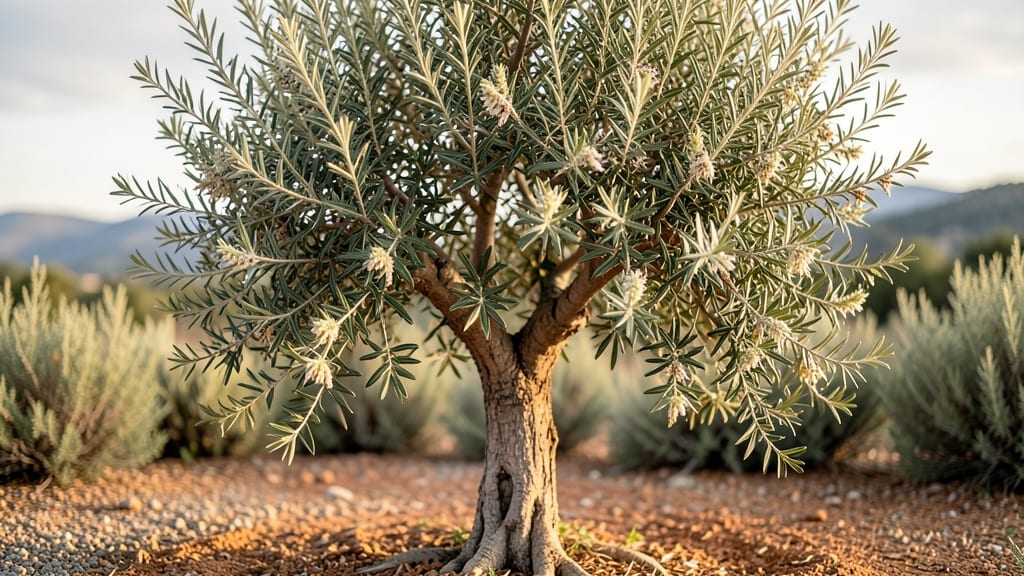
Ever noticed your olive tree 🫒 standing tall and silent, then suddenly bursting into tiny white flowers—only to wonder, Why now? The answer isn’t just about the calendar; it’s a delicate dance between climate, sunlight, and even last year’s pruning choices.
In Mediterranean climates (where olive trees thrive), flowering typically kicks off in late spring, but the exact timing shifts with your zone—think May-June in Zone 9 or June-July in cooler areas. The key? Temperature cues trigger blooms, while overzealous pruning can delay them by months.
Here’s the game-changer: small adjustments—like pruning after flowering or tweaking water schedules—can encourage healthier blooms next season. Whether you’re a first-time grower or a seasoned gardener, understanding these triggers means more flowers, more fruit, and fewer mysteries.
Let’s break down what’s really happening in your tree’s branches—and how to give it the best shot at a spectacular spring display.
Olive tree flowering seasons: climate zones and key timing
Olive trees 🫒 are masters of timing, and their flowering seasons hinge on two critical factors: temperature triggers and daylight hours. Unlike many plants, olives don’t bloom on a fixed calendar—they respond to environmental cues.
In their native Mediterranean climate, blooms typically arrive in late spring, but in cooler USDA zones, this shifts to early summer. The difference? A matter of 10-15°F in average temperatures.
For gardeners in USDA Zones 8-10 (where olives thrive), flowering usually begins in May or June, peaking by July. In cooler zones like Zone 7, expect blooms to push back to June or July, often delayed until after the last frost.
This shift explains why your neighbor’s olive tree in California might flower months earlier than yours in Georgia.
Here’s the science: olive trees need consistent warmth (60-75°F) and 12+ hours of daylight to trigger blooms. Too cold, and buds stay dormant; too hot, and flowers may abort.
Even a late spring frost can wipe out a season’s potential blooms overnight. Understanding these thresholds helps you predict—and encourage—flowering in your own garden.
If you’re in Zone 9 or 10, your olive tree’s blooms might appear as early as April, especially in coastal areas where temperatures stay mild.
These zones mimic the Mediterranean climate olives evolved in, so flowering aligns closely with their natural cycle. Inland areas in the same zones may see blooms push back to May due to hotter days and cooler nights.
For gardeners in Zone 7, the delay is more dramatic. Olive trees here often wait until June or July to flower, as they need to “warm up” after winter.
This is why microclimates matter: a tree in a sheltered valley might bloom weeks earlier than one exposed to wind. Even a 5°F difference can shift flowering by 2-3 weeks.
One common misconception is that olive trees flower annually. In reality, they follow a biennial cycle: heavy flowering one year, lighter the next. This pattern is hardwired into their DNA—don’t panic if your tree skips a year!
Instead, focus on consistent care (like pruning and watering) to keep it healthy for the next bloom.
To encourage earlier blooms in cooler zones, start with winter pruning to remove dead wood and open the canopy for sunlight. In spring, apply a balanced fertilizer (10-10-10) to support new growth.
Avoid heavy watering during bloom—olives need moderate moisture, not soggy soil, to set fruit. Overwatering can lead to flower drop, wasting your tree’s energy.
Pay attention to your tree’s leaf color and new shoot growth in late winter. These are early signs that blooms are on the way. In Mediterranean climates
How pruning affects olive flowering: best practices for timing and technique
Pruning your olive tree at the wrong time can turn its flowering dreams into a bust. Olive trees flower on new wood, meaning last year’s growth holds next season’s blooms.
If you prune too early—before flowers appear—you’re essentially cutting off potential fruit production for months. The key? Timing your cuts after flowering ensures your tree retains its energy for next year’s blooms.
Most gardeners make the mistake of pruning in late winter or early spring, just as buds begin to swell. But olive trees in USDA Zones 8-10 (their ideal range) typically flower in late spring to early summer.
Pruning before this window can delay flowering by 6-12 months, leaving you with fewer olives—or none at all.
⚠️ CRITICAL WARNING: Pruning Before Flowering Stunts Blooms ⚠️
- Zone 9: May-June (peak heat triggers blooms)
- Zone 8: June-July (cooler temps delay flowering)
- Zone 7: July-August (shortened growing season)
For optimal flowering, follow this schedule:
- Late Spring (After Flowering): Light pruning to remove dead wood and shape the tree.
- Summer (Post-Fruiting): Minimal pruning—focus on watering and fertilizing to support next year’s blooms.
- Fall (September-October): Best time to prune—after olives have been harvested and before winter dormancy.
Winter pruning is a common mistake—many gardeners assume it’s the best time to prune, but olive trees in colder zones (like Zone 8) may not flower until summer. Pruning in winter (December-February) can shock the tree and delay blooms by up to a year.
Instead, opt for light winter maintenance (removing only dead or diseased branches) and save heavy pruning for fall.
If you’ve pruned too early and missed the flowering window, don’t panic. Olive trees are resilient. Focus on watering deeply (1-2 gallons per tree) and applying a balanced fertilizer (10-10-10) in spring to encourage new growth. With patience, your tree will bounce back and flower again next season.
Remember, olive trees reward gentle, timed care. A little patience in pruning now means a bountiful harvest of olives in just a few years. Happy pruning! 🌿✂️