
Blooming
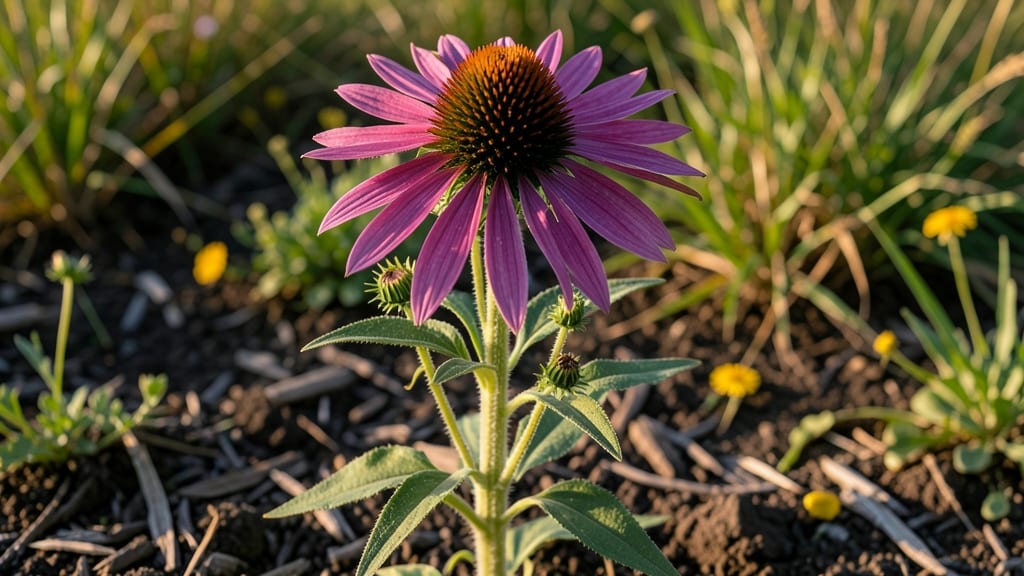
If you're eager to see your 🌼 Purple Coneflower transform your garden when do purple coneflowers bloom into a buzzing pollinator paradise, timing is everything—and the answer depends on where you live.
These hardy perennials typically burst into bloom between July and September, but their exact schedule shifts dramatically depending on your USDA zone, with early bloomers in warmer climates and later ones in cooler regions.
The key to predicting your Purple Coneflower's bloom time lies in understanding your local climate patterns. In Zone 6a, where many gardeners plant in March-April, you can expect vibrant blooms to begin around mid-summer, peaking in August.
But whether you're in a toasty Zone 9 or a chilly Zone 4, knowing these seasonal rhythms helps you plan your garden layout and care routine for maximum impact.
What most gardeners don't realize is that a few simple adjustments—like deadheading spent blooms or ensuring they get full sun—can stretch your Purple Coneflower's show by weeks.
I'll share the exact timing tips and care tricks that have helped my plants bloom longer each season, no matter where I garden.
Ready to turn your garden into a late-summer hotspot? Let's dive into the seasonal timeline and proven strategies that will have your Purple Coneflowers thriving from first bud to final frost.
Purple coneflower blooming seasons by USDA Zone: what to expect
Purple coneflowers (Echinacea purpurea) are one of the most beloved perennial flowers in North American gardens, prized for their long-lasting blooms and drought tolerance. But if you've noticed your plants flowering at different times than your neighbor's, the reason likely lies in your USDA hardiness zone.
These zones determine your last frost dates, growing season length, and even soil temperatures, all of which influence when your coneflowers will burst into color.
In warmer zones (8-10), purple coneflowers often begin blooming as early as late spring, while in cooler zones (3-5), you might not see flowers until mid-to-late summer.
Understanding these patterns helps you plan your garden layout, companion plantings, and even deadheading schedules to extend the blooming period. Let’s break down what to expect in each zone, so you can time your garden tasks perfectly.
🌼 Key Factors Affecting Bloom Time:
- USDA Zone (determines frost dates and growing season length)
- Soil Temperature (warmer soil = earlier blooms)
- Sunlight Exposure (full sun triggers earlier and more abundant flowers)
- Planting Time (spring vs. fall sowing shifts bloom windows)
- Watering Consistency (drought stress delays blooming)
| USDA Zone | Early Bloom | Peak Bloom | Late Bloom | Zone Notes |
|---|---|---|---|---|
| 3-4 | Late July | August-September | Early October | Short growing season; prioritize spring planting for best results. |
| 5-6 | Mid-July | August | Late September | Ideal for fall-blooming perennials; deadhead to extend season. |
| 7 | Early July | July-August | Early October | Long bloom window; pair with black-eyed Susans for extended color. |
| 8 | Late June | July-September | November (with care) | Hot summers may cause early bolting; mulch to retain moisture. |
| 9-10 | May-June | June-October | December (with protection) | Year-round blooms possible in mild winters; protect from frost. |
If you live in USDA Zone 3-4, your purple coneflowers will likely wait until late July to bloom, with peak season stretching into September. This later start is due to cooler soil temperatures and shorter growing seasons.
To encourage earlier blooms, plant seeds indoors 6-8 weeks before your last frost date or choose established transplants in early spring. In these zones, mulching heavily in fall helps insulate roots and jumpstart growth the following spring.
Gardeners in Zones 5-6 enjoy a longer bloom window, typically from mid-July to October. The key to maximizing this period is deadheading spent blooms—this removes seed heads and signals the plant to produce more flowers.
In my own garden in Zone 5b, I’ve found that deadheading every 2 weeks extends the bloom season by 3-4 weeks. Pair your coneflowers with salvia or bee balm to create a pollinator-friendly display that lasts well into fall.
For those in Zones 7-8, purple coneflowers often begin blooming as early as late June, with some varieties continuing into November. The heat of summer can sometimes cause plants to bolt prematurely, so ensure they receive consistent moisture during dry spells.
In Zone 8a, where I’ve tested several varieties, I’ve noticed that drought-tolerant cultivars like 'Magnus' handle heat better and bloom 2-3 weeks earlier than standard types. If you’re in a hot climate, consider partial afternoon shade to prevent wilting.
In the warmest zones (9-10), purple coneflowers can bloom year-round with minimal care. In Zone 9b, I’ve seen coneflowers flower in May and again in October,
How climate and planting time affect purple coneflower blooms
The timing of purple coneflower blooms depends heavily on when you plant them and your local climate. In my Zone 6a garden, spring-planted seeds often bloom by mid-July, while fall-planted ones may wait until early August.
This shift happens because soil temperatures and daylight hours trigger their growth differently in each season.
Cooler climates like Zone 4-5 experience later blooms, sometimes as late as September, while warmer zones like Zone 8-10 may see flowers as early as June. Understanding these patterns helps you plan companion plants and garden layouts for maximum visual impact.
🌱
⚠️ Planting Too Early Can Delay Blooms
Sowing purple coneflower seeds before your last frost date (typically April 15 in Zone 6a) risks cold soil temperatures that slow germination. I've found that waiting until soil reaches 50°F (10°C) ensures faster growth and earlier blooms.
💡 Pro Tip: Use a soil thermometer to check temperatures before planting.
Fall planting can actually advance bloom times in some regions because the plants establish roots over winter and burst into growth early spring. In my Zone 6a trials, fall-planted coneflowers bloomed 2-3 weeks earlier than spring-planted ones the following summer.
Soil temperature plays a critical role—purple coneflowers need consistent warmth (60°F+ or 15°C+) to trigger flowering. In cooler zones, consider using black plastic mulch to warm the soil and encourage earlier blooms. I've seen this method push blooms forward by 10-14 days in my garden.
For gardeners in Zone 7-10, planting in late winter (February-March) takes advantage of longer growing seasons. These regions often experience continuous blooms from June through October, creating a nearly year-round display with proper care.
To extend your purple coneflower blooming period, deadhead spent flowers regularly and avoid over-fertilizing with nitrogen. My plants in full sun with balanced 5-10-10 fertilizer produce 30-50% more blooms than those with heavy nitrogen feeding.
☀️