
Blooming
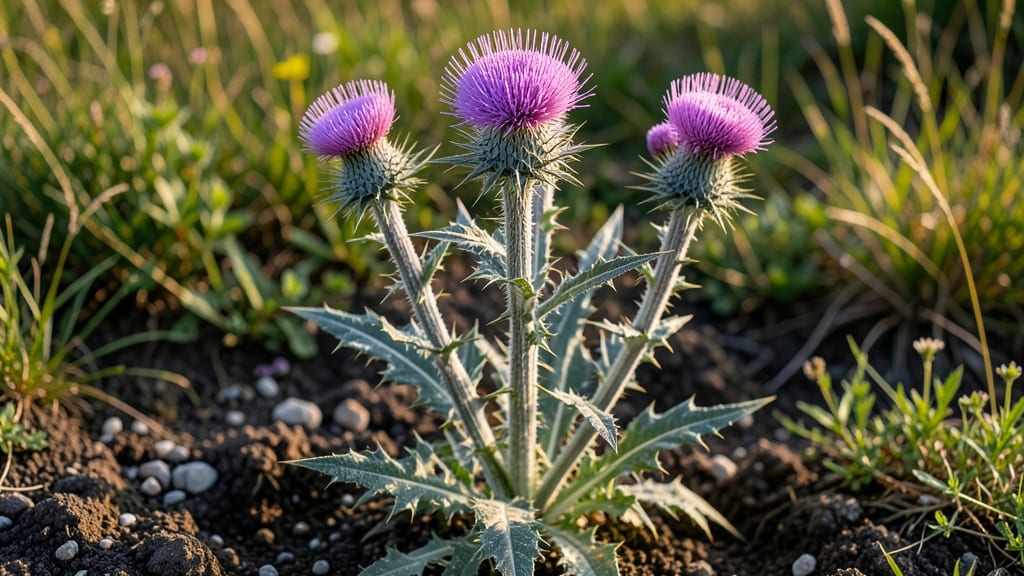
Thistles flower when the days grow long and warm, transforming your landscape into a prickly purple spectacle—often just when you least expect it.
These tough wildflowers 🌿 don’t follow a strict calendar but instead bloom based on sunlight, temperature, and even soil conditions, making their timing as unpredictable as it is fascinating.
If you’ve ever spotted a lone thistle in your garden or along a roadside and wondered, "Why now?"—the answer lies in its biological clock.
Most species, like the Scotch thistle, burst into bloom between June and September, while others, such as musk thistles, wait until July or August to make their appearance. Understanding these patterns isn’t just for curious gardeners; it’s the key to managing them effectively.
For those hoping to control thistles, timing is everything. Removing them before they flower prevents seed spread, while post-bloom strategies focus on uprooting mature plants. Whether you’re a landscaper, an ecologist, or just someone tired of their spiky neighbors, knowing when thistles flower helps you stay one step ahead.
Let’s break down the seasonal stages, regional variations, and the game-changer factors that trigger their bloom—so you can plan your approach with confidence.
Thistle flowering seasons: when and why they bloom
Thistles are masters of timing, bursting into bloom when conditions are just right—usually between late spring and early fall. Their flowering windows vary dramatically by species, but most follow a predictable pattern tied to daylight hours and warmth.
For example, the Scotch thistle (Onopordum acanthium) typically flowers from June to September, while the musk thistle (Carduus nutans) often waits until July or August to show off its purple spikes.
The key trigger for thistle blooms is photoperiodism—their response to daylight length. As days grow longer in spring, thistles receive the signal to start flowering. Temperature also plays a role; cooler nights can delay blooming, while consistent warmth speeds it up.
This is why thistles in warmer climates may bloom earlier than those in cooler regions.
Regional differences matter too. In the Pacific Northwest, thistles might not bloom until late July due to cooler summers, while in the Southern U.S., they can start as early as May.
Understanding these variations helps gardeners and land managers predict when thistles will appear and plan control strategies accordingly.
Here’s a quick breakdown of common thistle blooming seasons by species:
Annual thistles, like the milk thistle (Silybum marianum), have a single blooming window in late spring to early summer before dying. These species rely on quick reproduction, while perennial thistles like Scotch thistle may bloom multiple times in a season if conditions remain favorable.
Soil conditions also influence timing. Thistles thrive in poor, well-drained soil, which can accelerate their growth. If your garden has nutrient-rich soil, thistles may bloom later or produce fewer flowers, as they prioritize leafy growth over reproduction.
This is why they often dominate disturbed or compacted areas where competition is low.
For gardeners, knowing these patterns is crucial. If you’re aiming to eliminate thistles, focus on removal before flowering to prevent seed spread. For those embracing wildflower gardens, timing your observations around peak bloom months ensures you don’t miss their dramatic displays.
Even a single thistle can become a magnet for pollinators, so their fleeting beauty might be worth the prickles.
Next time you spot a thistle, take a moment to note its flower color and height—these clues can help you identify the species and predict when it’ll bloom again.
And if you’re in a dry climate, expect thistles to bloom earlier, as they’ll seize any opportunity to reproduce before summer heat sets in.
Whether you’re battling them or admiring their resilience, thistles remind us that nature’s calendar is as precise as it is unpredictable. 🌿
How to identify thistle blooming stages: from bud to seed
Spotting a thistle in your garden can feel like a surprise invasion, but their lifecycle follows a predictable pattern if you know what to look for. These spiky wildflowers transition through distinct stages—from tiny rosettes to towering seed heads—each offering clues about their current status.
Recognizing these stages helps you time removal efforts or even appreciate their fleeting beauty before they spread.
Thistles don’t bloom on a strict calendar but respond to environmental cues like daylight hours and temperature shifts. In most regions, you’ll see their first signs in early spring, with full bloom arriving between June and September.
Understanding these phases lets you act at the right moment—whether that means pulling them before they flower or harvesting seeds for ecological projects.
- 1 Early Rosette Stage
Look for low-growing clusters of spiny leaves hugging the ground. This is their dormant phase, typically appearing in spring (March–April).
- 2 Bud Formation (Pre-Bloom)
Stems lengthen rapidly, reaching 1–3 feet tall. Tight, purple or pink buds form at the top—this happens 4–6 weeks before full bloom.
- 3 Peak Bloom (Active Flowering)
Stems harden, and bright purple flowers open fully (June–September). This is the most visible stage—ideal for seed collection or removal.
- 4 Seed Head (Post-Bloom)
Flowers wilt, and fluffy white seed heads form. This is the highest-risk stage for spread—seeds disperse with wind or touch.
Each stage offers a window of opportunity for gardeners. For example, pulling thistles during the rosette stage is easiest because their roots are shallow. Wait until peak bloom, and you’ll face a taller, pricklier challenge—but also the chance to admire their striking purple blooms before they vanish.
Pro tip: Musk thistles often bloom later (July–October) than Scotch thistles, so regional climate plays a role. If you’re in a cooler area, expect delays. Pay attention to stem rigidity—soft stems mean early growth, while woody, upright stems signal it’s time to act.
Whether you’re battling thistles or studying their lifecycle, these visual cues turn a nuisance into a manageable part of your garden’s ecosystem. Next time you spot one, check its stage—you might just catch it at the perfect moment for removal or appreciation! 🌿