
Planting
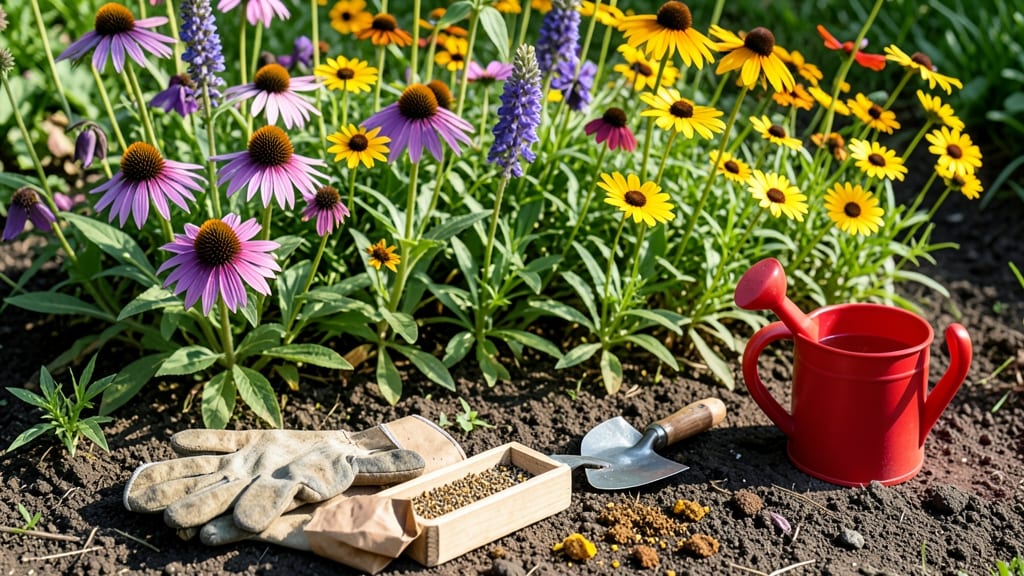
Planting wildflowers at the wrong time means waiting months—or even years—for that vibrant burst of color to brighten your garden. 🌼 Whether you're in USDA Zone 6a or another region, timing is everything, and the difference between spring and fall planting can transform your results.
I’ve learned the hard way that rushing into planting too early or too late can leave your seeds struggling against frost or drought. The perfect window for most wildflowers is early spring (March–April) or early fall (September–October), but your local climate and seed type play a huge role in success.
In this guide, I’ll break down the best planting times by zone, soil prep secrets, and how to care for your wildflowers so they thrive from the first sprout.
You’ll discover why some varieties bloom faster, which seasons work best for perennials, and how to avoid common mistakes that kill germination.
Ready to turn your garden into a pollinator paradise? Let’s get started with the timing that guarantees year-round color—no more waiting, just blooms.
Best wildflower planting times by USDA Zone: a month-by-month guide
Timing your wildflower planting is the secret to unlocking a garden bursting with color year after year. Unlike vegetables, wildflowers thrive on patience—giving them the right start means they’ll reward you with months of blooms instead of struggling through poor conditions.
I’ve planted wildflowers in USDA Zones 5 through 9, and the difference between spring and fall planting can mean the difference between a thriving meadow and a patchy disappointment.
The best planting windows vary dramatically by zone, but most wildflowers prefer to be sown when soil temperatures are consistently above 60°F—this ensures seeds germinate quickly without rotting. In colder zones (3-6), early spring (March–April) or early fall (September–October) are ideal.
Warmer zones (7-11) can plant in late summer (August) or even winter for early spring blooms. Let’s break it down by season and zone so you can plan with confidence.
Spring planting is my go-to for most zones because it aligns with natural rainfall patterns and gives wildflowers time to establish roots before summer heat. In USDA Zones 3-6, aim for early spring (March–April) when soil is workable but frost risk has passed.
For Zones 7-11, late summer (August) is perfect—seeds germinate in warm soil, and cooler fall weather helps them thrive.
Fall planting is a game-changer for perennials like coneflowers and black-eyed Susans. Seeds sown in September–October often germinate in early spring, giving them a head start. In Zone 9 and above, you can even plant in winter (December–January) to avoid summer’s intense heat.
The key is ensuring seeds don’t dry out—mulch heavily to retain moisture.
For annual wildflowers like zinnias or sunflowers, timing matters less, but planting in late spring (May) ensures they bloom all summer long. Perennials, however, need precise timing—plant them too late, and they may not establish strong roots before winter.
My rule of thumb? Plant perennials 6–8 weeks before your first frost to give them time to root deeply.
Don’t overlook microclimates—a south-facing slope in Zone 5 might be warm enough for summer planting, while a shady woodland area in Zone 8 could benefit from spring sowing. Observe your garden’s unique conditions: Does it dry out quickly?
Is it prone to late frosts? Adjust your planting window accordingly. For example, in Zone 6, I plant lupines in April but delay sunflowers until May to avoid frost damage.
Pro tip: If you’re unsure about your zone’s frost dates, check the USDA Plant Hardiness Zone Map or use a local gardening app. I rely on my frost-free date to decide whether to plant in spring or fall.
For instance, in Zone 7, I plant wild bergamot in August because it needs cooler weather to germinate successfully.
Finally, remember that native wildflowers often have the best timing for your region. They’ve evolved to thrive with local rainfall and temperature patterns, so they’re more forgiving if you plant slightly off-season.
For example, purple coneflower seeds sown in early fall in Zone 5 will pop up reliably the following spring, even if you miss the perfect window
How to choose wildflower seed types for your climate and bloom goals
Choosing the right wildflower seed types can mean the difference between a few weeks of color and a year-round pollinator paradise. I’ve planted everything from annual cosmos to perennial black-eyed Susans, and the wrong choice once left me waiting two full years for blooms.
The key is matching your climate zone, sunlight conditions, and maintenance preferences to the seed type.
Your first decision: annual vs. perennial wildflowers. Annuals like sunflowers and zinnia give you fast, bold blooms in one season but require replanting. Perennials like coneflowers and bee balm return yearly with less effort but may take time to establish.
For drought-prone areas, I always opt for native perennials—they’re built to thrive with minimal water once rooted.
Here’s the pros and cons breakdown to help you decide:
Annual Wildflowers
- ✅ Pros: Fast blooms (4-8 weeks), wide color variety
- ✅ Pros: Great for seasonal color bursts
- ✅ Pros: Easy to replace yearly
- ❌ Cons: Requires replanting every year
- ❌ Cons: Less pollinator support long-term
- ❌ Cons: Often needs more water
Perennial Wildflowers
- ✅ Pros: Returns year after year
- ✅ Pros: Supports pollinators long-term
- ✅ Pros: Drought-tolerant once established
- ❌ Cons: Slower to establish blooms (1-2 years)
- ❌ Cons: Limited color variety per plant
- ❌ Cons: May spread aggressively in some cases
Next, consider whether to plant native vs. non-native species. Native wildflowers like purple coneflower or wild bergamot are low-maintenance and attract local pollinators like butterflies and bees. Non-natives like cosmos or marigolds offer bright colors but may not support your local ecosystem.
For arid climates, I always mix native perennials with drought-resistant annuals like lupine or poppies.
For specific garden goals, choose seed mixes designed for your needs. A pollinator-friendly mix might include milkweed (for monarchs) and goldenrod. A shade-tolerant mix could feature columbine or foamflower. Always check the bloom duration—some mixes give you one-month color, while others provide season-long interest.
My favorite shade mix includes Virginia bluebells, which bloom in spring and bloodroot for early color.
Finally, think about maintenance needs. If you’re away often, self-seeding annuals like black-eyed Susans or coreopsis will replant themselves. For low-maintenance perennials, try yarrow or smooth sumac, which thrive with minimal water once established.
I’ve even seen wildflower meadows in USDA Zone 5 that require no mowing for years after planting!
Start with a small test patch to see what thrives in your space. My best tip: mix annuals for quick color with perennials for long-term beauty. That way, you get instant gratification and years of rewards—without the guesswork. 🌻