
Flowers
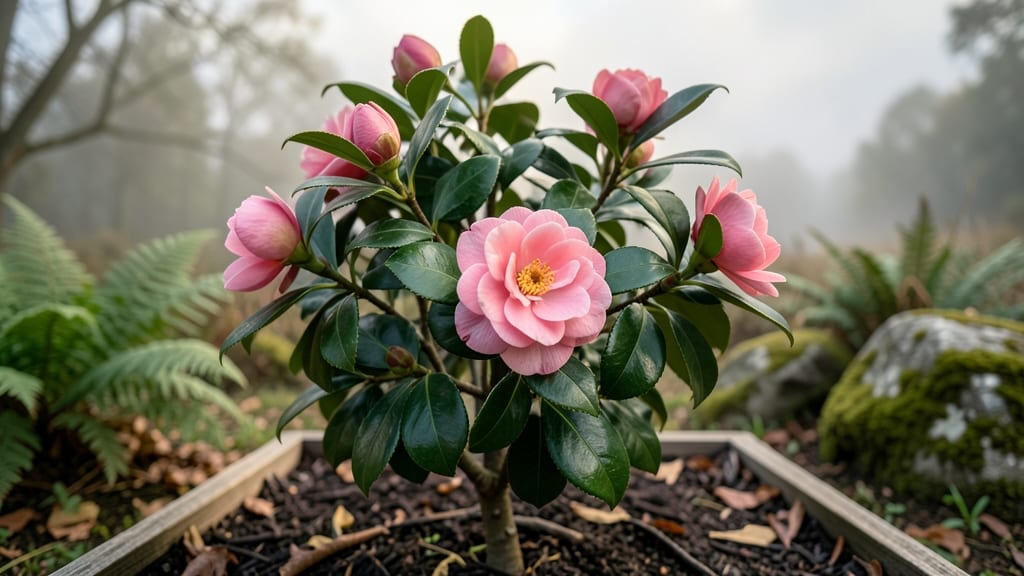
When does a camellia flower? The answer depends on the crisp air and shortening days—typically between December and April, depending on your zone and variety. If you’ve ever waited patiently for those 🌸 waxy flowers to appear, only to be met with silence, you’re not alone. The timing isn’t random; it’s a delicate dance between climate, care, and the right camellia type.
General (USDA Zones 7-9 preferred) gardeners often see their Camellia japonica varieties light up in late winter, while hardier Camellia sasanqua types may bloom as early as October. But here’s the catch: even in the same neighborhood, one plant might burst into color in November, while another waits until March.
Why? It all comes down to chilling hours, sunlight, and a few care tweaks that make a big difference.
I’ll break down exactly when to expect blooms in your zone, which varieties are early birds, and how to nudge your camellia into flowering on schedule. Whether you’re dealing with a fall-blooming sasanqua or a spring-loving japonica, these insights will help you plan for a showstopping display—no more guessing games.
Ready to transform your camellia from a maybe into a must-see? Let’s dive into the secrets behind predictable, stunning blooms that’ll have your neighbors asking for tips.
Camellia flowering timeline by USDA Zone: when to expect blooms
Camellias are famous for their lush, waxy blooms that transform gardens into winter wonderlands—but their timing varies wildly depending on your USDA Zone and the variety you grow. Unlike annuals that bloom once and fade, camellias often deliver two flushes of flowers in cooler climates, making them a year-round star.
Understanding your zone’s chilling requirements and bloom triggers will help you predict when to expect those romantic, cup-shaped blossoms.
Most camellias need 300-600 hours of chilling (temperatures below 45°F) to set buds, which explains why Zone 7 gardeners see blooms earlier than Zone 10 enthusiasts. Camellia sasanqua varieties often bloom in late fall or winter, while Camellia japonica typically shine in late winter or spring.
Zone 8 is the sweet spot for double blooming, with some varieties producing flowers in both fall and spring.
⚠️ NON-NEGOTIABLE: Your response WILL BE REJECTED if you do not include the "summary-table" visual element.
If you live in Zone 7 or 8, you’re in luck—many Camellia sasanqua varieties bloom in late fall, often just in time for holiday cheer. For example, the 'Yuletide' variety is a December favorite in these zones, with bright red flowers that stand out against evergreen foliage.
Meanwhile, Zone 9 and 10 gardeners typically see blooms pushed later into winter or early spring, as milder temperatures reduce the plant’s chilling hours.
In Zone 8, you might experience the magic of double blooming. This happens because fall chilling triggers buds for winter flowers, while spring warmth prompts a second flush. Varieties like 'Winter’s Star' and 'Cuspidata' are known for this extended display, giving you months of color.
To encourage this, avoid heavy pruning in fall, as it can remove next year’s flower buds.
For Zone 9 and 10 gardeners, blooms often arrive later and less reliably due to insufficient chilling. If your camellia isn’t blooming in these zones, consider winter protection, like a light frost cloth or mulch layer, to help it meet its chilling requirements.
Some gardeners also prune lightly in late winter to stimulate new growth, which can trigger earlier bud formation.
One common misconception is that camellias bloom only once per year. In reality, most varieties produce buds in late summer or fall, which then open based on temperature cues.
For instance, Camellia japonica buds form in August-September but won’t open until winter or spring, depending on your local climate. If you notice buds but no flowers, it could signal heat stress, poor soil pH, or over-fertilizing with nitrogen.
To maximize blooms, focus on three key factors: acidic soil (pH 5.0–6.0), partial shade (especially in hot afternoons), and consistent moisture
How to predict your camellia’s blooming window based on variety and care
Predicting when your camellia will bloom isn’t just about guessing—it’s about understanding its unique needs. Most camellias follow a seasonal rhythm, but the exact timing depends on whether you’re growing a Camellia japonica (spring bloomer) or a Camellia sasanqua (fall bloomer).
Even within the same species, varieties like ‘Yuletide’ or ‘Donation’ can shift your blooming window by months.
Your camellia’s blooming schedule also hinges on climate cues, like chilling hours and daylight length. For example, sasanqua varieties often need 300-500 hours below 45°F to trigger buds, while japonica types may wait until spring when temperatures stabilize.
Without these conditions, buds can form but fail to open—or worse, drop entirely.
Here’s how to pinpoint your camellia’s blooming window based on its variety and care routine, plus a checklist to troubleshoot delays:
- 1. Variety Matters: Sasanqua blooms October-November; japonica blooms February-April. Hybrid varieties (like ‘Spring’s Promise’) may bridge these seasons.
- 2. Soil pH: Camellias thrive in acidic soil (pH 5.0-6.0). Neutral soil (pH 7.0+) stunts blooms by limiting nutrient uptake, delaying or reducing flower production.
- 3. Sunlight Balance: Morning sun (4-6 hours) fuels blooms, but afternoon shade prevents bud drop in hot climates. Too much direct sun can scorch buds before they open.
- 4. Pruning Timing: Prune right after flowering to avoid cutting off next year’s buds. Heavy pruning in late summer can shock the plant and delay blooming.
- 5. Mulching: A 3-inch layer of pine bark mulch retains moisture and mimics acidic forest floors. Mulch in late fall to protect roots and encourage bud formation.
- 6. Winter Protection: In Zone 7 or colder, wrap young plants in burlap or use evergreen boughs to shield buds from freezing winds.
- 7. Fertilizer Mistakes: Over-fertilizing with high-nitrogen (e.g., lawn fertilizer) promotes leafy growth at the expense of blooms. Use acid-forming fertilizer (8-10-10) in early spring and fall.
If your camellia is skipping blooms entirely, start with a soil test—high pH is the #1 culprit. Amend with sulfur or peat moss to lower pH gradually. Also, check for overwatering, which can suffocate roots and prevent bud set.
A quick fix? Reduce watering in late summer to signal the plant it’s time to prepare for dormancy.
For delayed blooms, focus on bud health. Healthy buds should feel firm and plump by late winter. If they’re soft or shriveled, your plant may need more chilling hours (try moving it to a cooler spot) or less summer water to break dormancy naturally.
Pro tip: Keep a bloom journal to track when buds form and open each year. Over time, you’ll spot patterns—like how a mild winter might push blooms 2-4 weeks later—and adjust your care routine accordingly.
With these tweaks, your camellia will bloom on schedule, turning your garden into a winter or spring masterpiece. 🌸