
Flowers
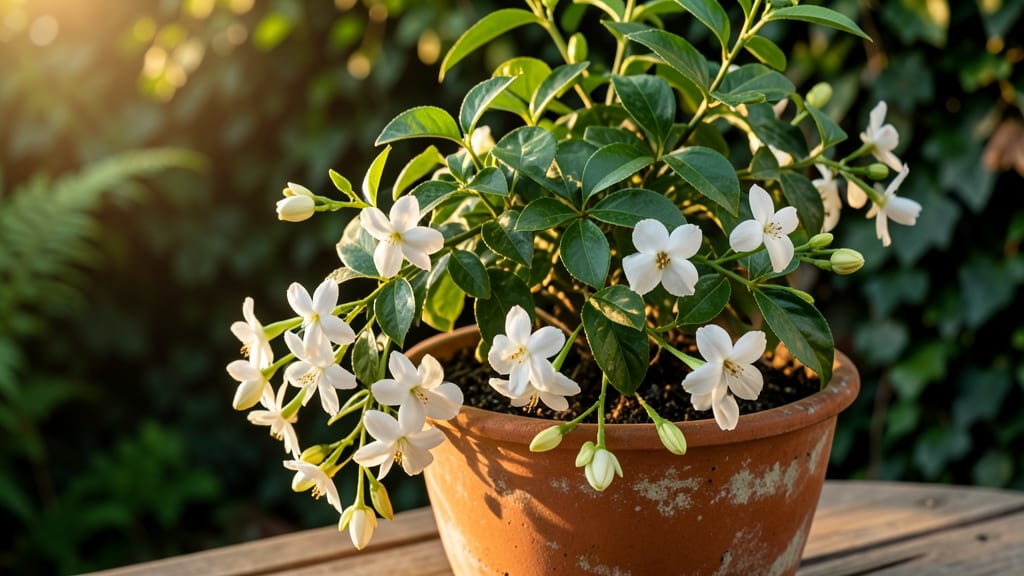
If you’ve ever waited eagerly for your jasmine to flower—only to be met with stubborn bare stems—you’re not alone. The secret to triggering those showstopping blooms isn’t just patience; it’s knowing the exact timing and pruning tricks that coax your plant into action.
Most jasmine varieties in USDA Zone 6a put on their best floral display between June and September, but with the right care, you can extend that window.
Whether you’re dealing with Arabian jasmine’s late-summer splendor or Sambac’s year-round potential, understanding your plant’s natural rhythm is the first step to a garden that smells like heaven.
Here’s the game-changer: strategic pruning at the right moments can force your jasmine to flower year-round, even in cooler climates. I’ll walk you through the simple techniques that turn “bare branches” into a cascade of fragrant blooms—no green thumb required.
Ready to transform your jasmine from sleepy vine to fragrant superstar? Let’s dive into the timing, tricks, and troubleshooting tips that’ll have your plant blooming like never before.
Jasmine flowering seasons: when and why your plant blooms naturally
Jasmine’s delicate white and yellow flowers are famous for their sweet fragrance, but their blooming schedule depends heavily on the variety and climate. Understanding these natural cycles helps you anticipate—and even encourage—those intoxicating blooms.
Whether you’re growing Arabian jasmine, Sambac jasmine, or the classic Jasminum officinale, timing is everything for those showstopping flowers.
Most jasmine varieties follow a spring-to-summer blooming pattern, triggered by warm temperatures and longer daylight hours. However, some types—like Sambac jasmine—can flower year-round in ideal conditions. The key lies in sunlight exposure, temperature shifts, and even the plant’s dormancy period.
Let’s break down when and why your jasmine blooms naturally, so you can set the stage for a fragrant garden.
🌸 SUMMARY TABLE: WHEN DOES JASMINE FLOWER?
If you’re in a tropical or subtropical climate, your Arabian jasmine might bloom almost year-round, especially if temperatures stay above 60°F (15°C). In contrast, Jasminum officinale—the classic "poet’s jasmine"—typically waits for spring’s longer daylight hours and warmer soil to burst into bloom.
This variety often needs a cold dormancy period in winter to reset its growth cycle.
For winter jasmine, the story is different. This hardy variety blooms in late winter or early spring, often before leaves appear, as a response to chilling temperatures. It’s a unique exception to the rule, thriving in USDA zones 5–8 and adding color to otherwise bare branches.
If you’re growing this type, avoid heavy pruning until after it flowers, or you might miss its stunning display.
Sunlight plays a critical role in jasmine blooming. Most varieties need 4–6 hours of morning sun to set flower buds, but too much hot afternoon sun can stress the plant.
In hot climates, provide afternoon shade to prevent leaf scorch while still allowing enough light for blooming. Partial shade is ideal for many jasmine types, especially in summer’s peak heat.
Temperature also dictates blooming. Arabian jasmine loves warm nights (70°F+), while common jasmine prefers mild springs (50–70°F). If your plant isn’t blooming, check your local last frost date—jasmine often waits until after frost to start its growth cycle.
In northern climates, this can delay blooming until late spring or early summer.
Dormancy is another key factor. Many jasmine varieties enter a resting phase in winter, especially in colder regions. During this time, the plant conserves energy for next year’s blooms.
If you’re in a mild-winter zone, your jasmine might bloom sporadically year-round, but it still benefits from a short rest period to recharge.
Watch for bud formation as a sign your jasmine is preparing to bloom. Tiny green buds appear along the stems in late spring, often followed by fragrant white or yellow flowers within 2–4 weeks.
If buds form but drop off, your plant might be stressed from overwatering, nutrient deficiency, or poor sunlight. Adjust care immediately to encourage another round of blooms.
To maximize blooms, time your fertilizing and pruning right. A balanced fertilizer (5-10-
Pruning techniques to force jasmine to flower year-round
Jasmine plants naturally bloom in late spring through summer, but with the right pruning techniques, you can trick them into flowering year-round. The key is understanding when to cut and how to stimulate new growth.
Most gardeners miss the two critical pruning windows that trigger blooming: right after flowering and in early spring. I’ve found that timing your cuts to match your jasmine’s natural growth cycle is what makes the difference between a few blooms and a fragrant cascade.
Before you grab your shears, know that jasmine responds best to light, strategic cuts rather than heavy pruning. Over-pruning can shock the plant and reduce flowering. Instead, focus on removing spent blooms and shaping the vine to encourage more buds.
For Arabian jasmine, which blooms in late summer, prune right after the flowers fade to promote new growth. For Sambac jasmine, which can bloom year-round in warm climates, prune lightly every 4-6 weeks to maintain shape and encourage continuous flowering.
Step-by-Step Pruning Guide for Year-Round Blooms
-
Step 1: Post-Flowering Prune (June-September)
Cut back 1/3 of the oldest stems after blooms fade. This removes spent flowers and redirects energy to new growth.
-
Step 2: Early Spring Revitalization (March-April)
Prune dead or crossing branches to improve airflow. Focus on outer growth to encourage bushier, flower-filled vines.
-
Step 3: Light Maintenance Pruning (Every 4-6 Weeks)
Trim new growth tips to promote branching. Avoid cutting into old wood, as this reduces flowering potential.
-
Step 4: Winter Dormancy Adjustments (November-February)
In cooler climates (USDA Zone 6a), reduce pruning to minimal shaping only. Over-pruning in winter can stress the plant.
-
Step 5: Aftercare for Blooming Success
Apply a balanced fertilizer (5-10-10) after pruning to support new growth. Water deeply 2-3 times per week during active growth.
One common mistake I see is pruning at the wrong time. For example, cutting back heavily in late summer can prevent next year’s blooms. Instead, save heavy pruning for early spring, when the plant is just waking up from dormancy.
This gives it time to recover and produce new flowers by summer. If your jasmine is dormant in winter, wait until you see new buds forming before pruning again.
For container-grown jasmine, pruning is even more critical because space is limited. I recommend pruning every 6-8 weeks to maintain shape and encourage dense flowering. Use sharp, clean shears to make cuts at a 45-degree angle just above a leaf node.
This prevents disease and promotes faster healing. After pruning, give your jasmine a light feeding to support its recovery and prepare it for the next blooming cycle.
If your jasmine still refuses to bloom after pruning, check its light conditions. Most varieties need 4-6 hours of sunlight daily but can scorch in intense afternoon sun. A morning sun, afternoon shade spot works best.
Also, ensure your plant isn’t overcrowded, as this can reduce flowering. With the right pruning and care, your jasmine will reward you with year-round fragrance that turns your garden into a tranquil retreat.