
Vegetables
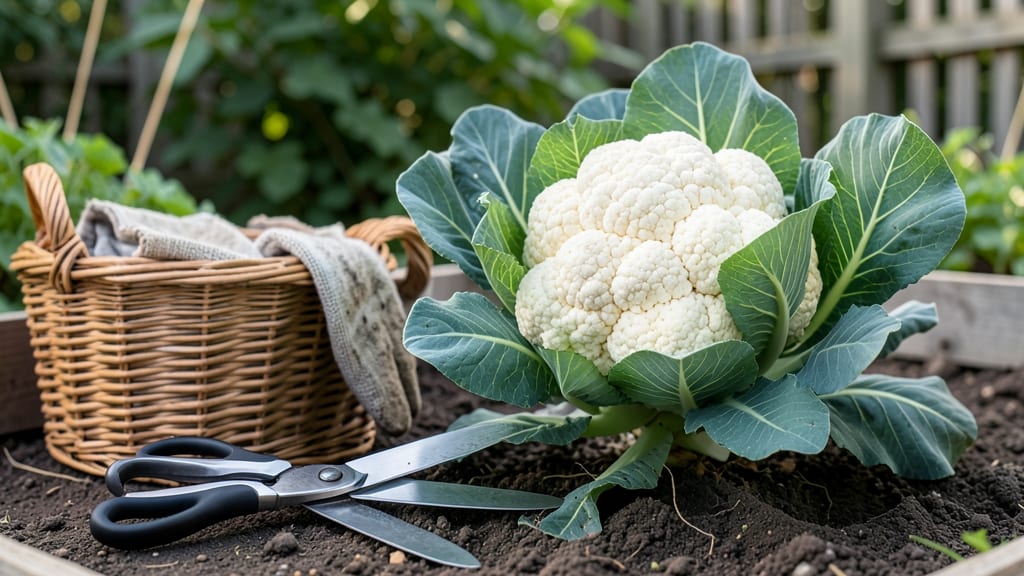
Knowing when is cauliflower harvested at its peak transforms that 6-inch head of 🥬 into a tender, flavorful masterpiece—or turns it into a tough, bitter disappointment.
The difference lies in knowing exactly when those curds reach peak maturity, and missing the window by even a few days can ruin your crop.
Most gardeners assume cauliflower is ready when it looks big enough, but the truth is far more nuanced. You’ll want to harvest when the head feels firm to the touch, the curds are tightly packed, and the surrounding leaves stay vibrant green—not when it’s just "big enough."
These subtle cues make all the difference between a perfect harvest and one that falls short.
If you’ve ever pulled a cauliflower too early and ended up with loose, underdeveloped curds—or worse, waited too long and got a woody, bitter mess—this guide is for you.
I’ll walk you through the exact seasonal signals to watch for, from color changes to head firmness, so you never miss the ideal moment again.
Ready to go from guesswork to confident harvesting? Let’s dive into the step-by-step cues that’ll ensure your cauliflower is always at its best—no more second-guessing, just perfect curds every time.
How to identify the perfect harvest time for cauliflower curds
Harvesting cauliflower at the right moment transforms your garden into a treasure trove of tender, flavorful curds. The key lies in visual cues and tactile checks—ignoring these signals often leads to tough, bitter heads.
I’ve learned the hard way that waiting too long turns perfect white curds into yellow, woody messes. Let’s break down the exact signals to watch for, so you never miss peak harvest time again.
First, focus on the head size and color—these are your primary indicators. A ready-to-harvest cauliflower head typically measures 6 to 8 inches in diameter and maintains its creamy white or desired color (like purple for heirloom varieties).
If the head starts turning yellow or brown, it’s already past its prime. I always check the outer leaves too; they should remain vibrant green, not wilted or browned, as this signals stress or overmaturity.
Don’t overlook the stem firmness—this is a game-changer for texture. Gently squeeze the stem near the base; it should feel firm and sturdy, not hollow or spongy. A soft stem usually means the head is overripe.
I also pay attention to the curd density: tightly packed florets are ideal, while loose or spreading florets mean it’s time to harvest sooner rather than later.
Now, let’s talk seasonal timing—this varies by cauliflower variety and your USDA growing zone. Early-season varieties like ‘Snowball’ mature in 70 to 80 days, while late-season types such as ‘Purple of Sicily’ take 90 to 100 days.
In Zone 6a (like my garden), I plant in March to April and harvest from June to August. If you’re in a warmer zone (like Zone 8-10), you might even get two harvests per year by planting in both spring and fall.
Here’s a quick reference to help you visualize the perfect harvest window:
| Indicator | Ready for Harvest | Not Ready |
|---|---|---|
| Head Size | 6–8 inches | <5 inches or >8 inches |
| Color | Creamy white or variety-specific | Yellow, brown, or dull |
| Leaf Health | Green, healthy leaves | Wilted, yellow, or brown |
| Stem Firmness | Firm, sturdy | Soft, hollow, or spongy |
| Curd Density | Tightly packed florets | Loose or spreading |
Pro tip: If your cauliflower heads are bolting (sending up tall flower stalks) before reaching harvest size, it’s likely due to heat stress or maturity. In hot climates, I’ve had success with shade cloth or succession planting to keep heads cool.
For purple varieties, the color deepens as they mature, but the texture is still the best indicator—never harvest based on color alone.
Timing also depends on regional growing zones. In cooler zones (like Zones 3-5), cauliflower thrives in late spring to early summer, while in warmer zones (like Zones 8-10), it prefers fall planting to avoid summer heat.
I’ve grown cauliflower in Zone 7b, and I’ve found that August planting yields the sweetest heads in October, just before the first frost. Always check your last frost date and adjust planting times accordingly.
One mistake I see often is harvesting too early—small heads are fine for salads, but they lack the rich flavor of fully mature curds. On the flip side, waiting too long turns them woody and bitter.
The golden rule is to harvest when the head is firm, compact, and at its ideal size, regardless of the days since planting. I’ve even harvested mini cauliflower heads (about 3 inches) for microgreens, but they’re not as flavorful as full-sized ones.
After harvesting, store cauliflower properly to extend freshness. Wrap the head in a damp paper towel and place it in a plastic bag in the fridge—this keeps it crisp for 5 to 7 days. For longer storage, blanch and freeze the curds.
I’ve also experimented with pickling small cauliflower heads, which adds a tangy twist to their mild flavor. The key is always harvesting at the right time—then you can get creative with what you do next!
Remember, every cauliflower plant is unique, so trust your senses—if the head looks and feels right, it’s time to harvest. With practice, you’ll develop an instinct for the perfect moment, and your garden will reward you with tender, delicious curds every time. Happy harvesting! 🥬
Seasonal harvesting calendar: when to pick cauliflower by month
Cauliflower thrives in cool seasons, but the exact harvest timing depends on where you live. Northern Hemisphere gardeners typically harvest from late spring to early fall, while Southern Hemisphere growers enjoy their peak season from late fall to early spring.
The key is watching for temperature cues—cauliflower bolts (goes to seed) when it gets too hot, so timing matters.
Most varieties mature in 70-100 days, but your local climate dictates the best months. For example, in USDA Zone 6a, I harvest my Snowball variety in June and July, while Purple of Sicily often ripens slightly later.
Below, I’ve broken down the ideal months for both hemispheres, plus how to protect your crop from early frost or heat stress.
In the Northern Hemisphere, May and June are the golden months for harvesting cauliflower. My Romanesco variety, for example, always reaches peak firmness in early June when temperatures hover around 65°F.
If your summer heats up past 80°F, your plants may bolt prematurely—so I recommend harvesting by late afternoon to avoid stress.
For Southern Hemisphere gardeners, the window shifts to April through June. In Zone 8a (like Australia’s coastal regions), I’ve found that Purple Cauliflower matures beautifully in May when nights stay cool.
If frost threatens, use low tunnels or row covers to extend the season—just remove them during the day to prevent overheating.
Protecting your crop is easier than you think. A simple frost cloth can add 5-10°F of protection, while drip irrigation keeps roots cool during heatwaves. I’ve even used shade nets in my greenhouse to prevent bolting in July.
The goal? Keep your cauliflower in its ideal 60-75°F range as long as possible.
Remember, overripe cauliflower turns yellow and bitter, while underripe heads stay small and loose. Check your plants every 2-3 days in peak season, and harvest when the head is firm, compact, and white.
With this calendar, you’ll never miss the perfect moment again—just watch for those seasonal cues and adjust your timing like a pro.