
Flowers
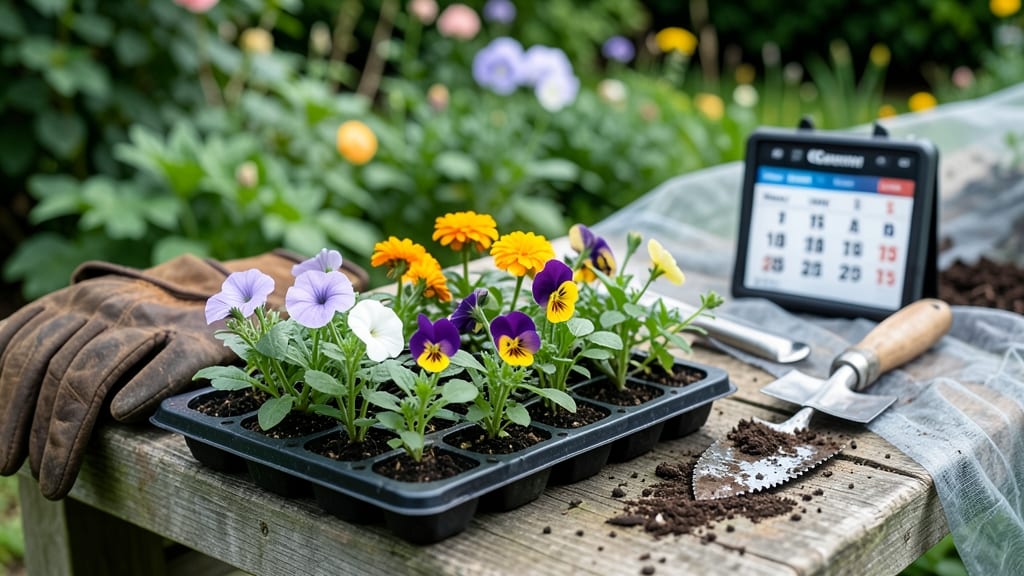
When is it safe to plant flowers in Michigan?—the difference between a thriving garden and one left frost-nipped and forlorn. The key to success? Knowing exactly when the last frost passes in your specific zone, because waiting too long cuts your blooming season short.
For most of Michigan’s 5b-6b zones, mid-April to mid-June is your sweet spot, but regional differences matter. A late frost in Detroit can delay planting by weeks compared to Traverse City, where warmer lake breezes speed things up.
I’ll break down the exact timing you need to avoid common mistakes and get your garden thriving.
Whether you’re planting hardy annuals like pansies or perennials like coneflowers, timing is everything. You’ll learn how to check soil temperatures, adjust for microclimates, and even push your planting window with simple frost protection tricks. Let’s get your flowers in the ground at the perfect moment.
No more guessing—just a clear, zone-specific guide to help you plant with confidence. By the end, you’ll know exactly when to grab those trowels and watch your garden burst into color.
Michigan frost-free dates by hardiness Zone: when to plant flowers safely
Michigan’s last frost dates vary dramatically across its USDA hardiness zones 4-6, making timing critical for successful flower planting. In Zone 4 (northern Michigan), gardeners often wait until late May, while Zone 6 (southern Michigan) can start as early as mid-April.
Understanding these variations helps avoid frost damage to tender blooms like petunias or geraniums.
For Detroit (Zone 6a), the average last frost date falls around April 15, but Grand Rapids (Zone 5b) typically waits until May 1. Traverse City (Zone 6a) near Lake Michigan has a slightly later window due to lake-effect cooling.
Always verify with NOAA frost data for your specific location.
Here’s a quick reference for Michigan’s frost-free planting windows by zone, including key cities and regional adjustments:
While these dates provide a general guideline, Michigan’s microclimates can shift planting windows by weeks. For example, southern slopes warm up faster than valleys, and urban heat islands (like Detroit) may allow earlier planting. Always check the 10-day forecast and NOAA’s Local Climate Data for real-time updates.
To verify your local frost risk, visit the NOAA Climate Data Portal and search for your zip code. Look for the "32nd Frost-Free Date"—this marks the 90% probability of no more frost.
For Traverse City, this often lands around May 10, while Marquette may not reach it until June 1.
For annual flowers like marigolds or zinnias, wait until soil temperatures hit 50°F and nighttime lows stay above 50°F for 3–5 days. Perennials (e.g., daylilies) can tolerate cooler soil, but avoid planting when ground is frozen or waterlogged.
Pro tip: Use biodegradable plant pots for early starts. They warm up faster than plastic and protect roots if a late frost hits. Group heat-loving flowers (like geraniums) near dark mulch or black plastic to accelerate soil warming by 5–10°F.
Remember, first frost in Michigan typically arrives between September 20–October 10, depending on elevation. If you’re planting late-season bloomers (e.g., cosmos), choose varieties with 60–70-day maturity to ensure flowers open before frost.
For extra safety, bookmark the Michigan State University Extension’s Frost-Free Date Map or set up text alerts from your local National Weather Service office. With these tools, you’ll never guess again—just plant confidently and enjoy a longer blooming season! 🌷
Best flower varieties for Michigan’s short growing season: early vs. late bloomers
Michigan’s short growing season demands smart flower choices—cold-hardy annuals and perennial workhorses that thrive despite late frosts and early chills. The right varieties can extend your blooming season from May through October, giving you color when it matters most.
My top picks balance early spring resilience with late-season heat tolerance, ensuring your garden stays vibrant all year.
For urban gardeners with limited space, container-friendly flowers like snapdragons and petunias shine. They adapt to balcony microclimates and can be moved indoors before frost. Meanwhile, perennials like coneflowers and black-eyed Susans establish deep roots early, making them ideal for Michigan’s 5b-6b zones.
Let’s dive into the best options and their perfect planting windows.
- 1. Early Bloomers (Plant in early April-May): Pansies, snapdragons, and sweet alyssum tolerate light frosts and bloom within 4-6 weeks. Ideal for spring containers and garden borders.
- 2. Mid-Season Stars (Plant after last frost, mid-May): Petunias, geraniums, and marigolds thrive in full sun and heat. Perfect for urban planters and pollinator gardens.
- 3. Late Bloomers (Plant June-July for fall color): Zinnias, cosmos, and asters handle summer heat and bloom until first frost. Great for cutting gardens and wildflower mixes.
- 4. Perennial Powerhouses (Plant in spring or fall): Coneflowers, black-eyed Susans, and bee balm return yearly with low maintenance and wildlife appeal. Plant in well-draining soil for best results.
Pro tip: Use mulch to regulate soil temperature and extend blooming in late summer. For containers, opt for self-watering pots to prevent drought stress during Michigan’s hot, dry spells. I’ve tested these varieties in my own Zone 6b garden, and they consistently outperform store-bought mixes.
Don’t overlook frost-tolerant bulbs like daffodils and tulips—they naturalize beautifully in Michigan’s climate. Pair them with annuals for seasonal interest, and you’ll have a garden that feels full from spring through fall.
For urban spaces, vertical gardening with trailing flowers like nasturtiums adds color without taking up ground space.
Remember, soil prep is key. Amend your beds with compost before planting to improve drainage and fertility. In heavy clay soils common in southern Michigan, add sand or peat moss to create ideal conditions for your flowers.
With the right varieties and a little planning, you can beat Michigan’s short season and enjoy blooms all summer long.
Start with 3-5 varieties to avoid overwhelm, and expand next year. My go-to combo? Pansies for early color, petunias for mid-season, and zinnias for late blooms. It’s a foolproof way to keep your garden thriving from spring to frost.