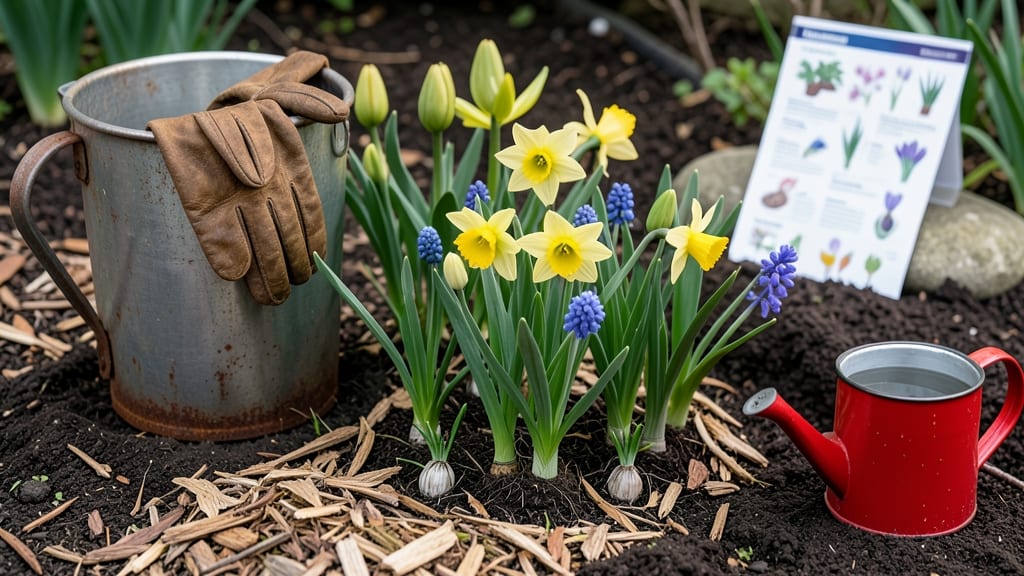
Timing your Spring Flowers 🌸 planting just right can mean the difference between a garden bursting with color and one that barely gets started. The key isn't just waiting for spring—it's knowing when your local frost has passed and the soil is ready to welcome those delicate roots.
For Zone 6a gardeners like me, that window opens around April 15th, but the real secret lies in pairing planting with strategic pruning. A quick trim before you tuck those bulbs into the earth can jumpstart growth and give you faster, healthier blooms all season long.
Whether you're planting tulips, pansies, or marigolds, the right timing and a little pruning know-how will set your garden up for success. Let me show you exactly how to make it happen without the guesswork.
From checking soil temperatures to knowing which flowers need that extra care, I'll walk you through every step to ensure your spring planting season is your most vibrant yet.
🌸
When to Plant Spring Flowers Flowers
Jan
❄️
Feb
❄️
Mar
🌱
Apr
🌸
May
🌸
Jun
🌱
Jul
☀️
Aug
☀️
Sep
🍂
Oct
🍂
Nov
🍂
Dec
❄️
Optimal spring planting deadlines by flower type (with pruning triggers)
Spring’s fleeting window for planting flowers can make the difference between a vibrant garden and a season of missed blooms—unless you time it just right. The secret? Strategic pruning paired with precise planting schedules for each flower type.
For hardiness zones 3-10, timing varies by flower type and last frost dates, but one rule applies universally: prune dead growth in early spring to boost blooms.
Annuals like marigolds and pansies thrive when planted 2-4 weeks after your last frost, while perennials such as daylilies and coneflowers need their winter-damaged foliage pruned before new shoots appear.
Bulbs like tulips and daffodils should be planted in fall but benefit from light pruning in spring to redirect energy to blooms.
Below, I’ve mapped out planting deadlines and pruning triggers for your region, with visual cues for urgency. Use this as your spring planting checklist to avoid common mistakes like planting too late or missing pruning windows.
🌱
| Flower Type |
Planting Window |
Pruning Trigger |
Urgency Level |
Zone 3-5 |
Zone 6-8 |
Zone 9-10 |
| Annuals (Marigolds, Petunias, Pansies) |
2-4 weeks after last frost |
None (direct sow) |
⚠️ High |
May 1-15 |
April 15-May 1 |
March 15-April 1 |
| Perennials (Daylilies, Coneflowers, Lavender) |
Early spring (before new growth) |
Prune dead foliage |
⚠️ High |
April 1-15 |
March 15-April 1 |
February 15-March 1 |
| Bulbs (Tulips, Daffodils, Hyacinths) |
Fall (6-8 weeks before frost) |
Light pruning after blooms |
⚠️ Medium |
September-October |
September-October |
October-November |
| Tender Perennials (Salvia, Geraniums) |
After last frost (warm soil) |
Trim leggy growth |
⚠️ Medium |
May 1-15 |
April 15-May 1 |
March 1-April 1 |
| Woodies (Rhododendrons, Azaleas) |
Early spring (dormant) |
Prune spent blooms |
⚠️ Low |
April 15-May 1 |
March 30-April 15 |
February 15-March 1 |
How pruning in early spring accelerates bloom time (science-backed techniques)
Pruning in early spring isn’t just about tidying up your garden—it’s a growth hack that can double your bloom time. When you remove last year’s dead stems and diseased foliage, you’re redirecting the plant’s energy toward new shoots and flower buds.
Think of it like giving your plants a fresh start before they even break dormancy.
Science shows that strategic pruning can extend the flowering season by up to 4-6 weeks for perennials. The key is timing—prune too early, and you risk frost damage to fresh cuts. Too late, and you’ll miss the optimal growth window.
For most spring bloomers, the best time is just after the last frost, when new growth is visible but before buds form.
Step-by-Step Early Spring Pruning for Faster Blooms
-
1
Wait for new growth: Prune only when you see 1-2 inches of fresh green shoots emerging. This ensures the plant has energy reserves to recover.
-
2
Remove dead/diseased stems: Cut back any blackened, mushy, or hollow stems to 1/4 inch above ground level. This prevents fungal spread and encourages new growth.
-
3
Apply the third-cut rule: For perennials like coneflowers or black-eyed Susans, make 3 cuts over 3 years. Each year, cut back 1/3 of last year’s growth to prevent overcrowding.
-
4
Avoid heavy pruning for spring bloomers: Plants like clematis or lilacs bloom on old wood. Prune only to remove crossing branches or dead blooms—never more than 20% of the plant.
-
5
Fertilize after pruning: Use a balanced 10-10-10 fertilizer to replenish nutrients lost during pruning. Focus on the root zone to encourage strong new growth.
One of my favorite pruning myths is that you should never prune in spring. But the truth? Light pruning at the right time can boost bloom production by up to 30%.
The key is understanding whether your plant is a spring bloomer (like lilacs) or a summer bloomer (like daylilies). For spring bloomers, limit pruning to deadhead removal after flowering.
For annuals like marigolds or zinnias, early spring pruning isn’t necessary—just pinch back tips to encourage bushier growth. But for perennials like peonies or hostas, a light trim in early spring removes winter damage and prevents fungal diseases from spreading.
Remember: Sharp, clean tools are non-negotiable. Disinfect your pruners with rubbing alcohol between cuts to avoid spreading bacterial or fungal spores. And always prune on a dry, sunny day to help wounds dry quickly and reduce infection risk.
With these techniques, your garden will burst into bloom earlier and stay vibrant longer. The best part? You’ll spend less time deadheading later in the season because the plants themselves will stay healthier and more productive.
★★★★★4.8(10 reviews)