
Pruning
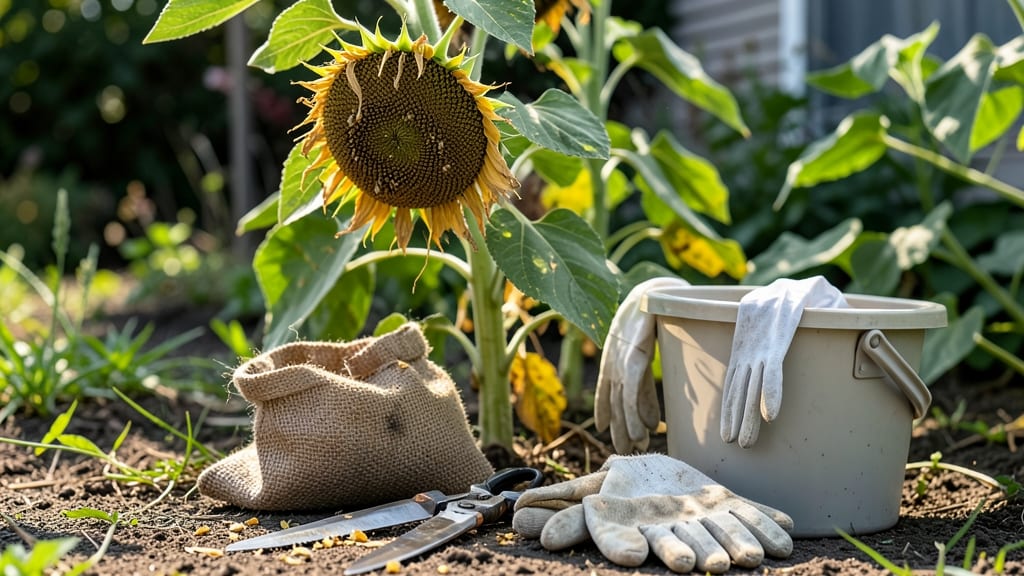
When should I cut my sunflower heads off? The timing is everything—getting it wrong could mean losing seeds or weakening your plants. The best moment arrives when those golden petals start to droop and the back of the head turns a dry, papery brown, signaling seeds are ready for harvest. This window typically falls between July and September, depending on your growing zone and variety, but missing it can leave you with either immature seeds or wasted effort.
If you're saving seeds for next year's garden, patience is key—wait until the seeds turn dark and plump inside their shells before cutting. For dried flower arrangements, you can snip the heads slightly earlier, once the petals begin wilting but before they scatter.
Either way, understanding these subtle cues makes all the difference between a successful harvest and disappointment.
Beyond seeds, knowing when to prune sunflower heads also keeps your garden tidy and healthy. Removing spent blooms redirects the plant's energy, encouraging stronger growth and preventing pests that love overripe flower heads.
Whether you're a seasoned gardener or just starting with 🌻 sunflowers, these simple tips will help you make the most of your plants year after year.
Ready to unlock the secrets to perfect timing? Let’s break down exactly what to look for—and when to act—so you never miss the ideal moment again.
Optimal time to cut sunflower heads for seed saving
Saving sunflower seeds from your garden is rewarding, but timing is everything. Cutting too soon means immature seeds that won’t sprout, while waiting too long risks losing seeds to birds or weather.
The perfect window occurs when seeds mature but haven’t scattered yet—typically 4-6 weeks after flowering, depending on your climate.
Look for these key signs: the back of the flower head turns from green to yellow-brown, petals droop and brown, and seeds inside feel plump and firm when gently squeezed.
In cooler climates like USDA Zone 5, aim for late summer; in warmer zones like Zone 9, harvest by early fall before frost.
Here’s a quick reference to help you decide when your sunflowers are ready for cutting:
In northern climates, prioritize cutting before the first frost—even if seeds aren’t fully mature. Use a paper bag to dry heads indoors if needed. For southern gardens, focus on seed color over calendar dates, as heat can speed up ripening.
Always cut heads with 2-3 inches of stem to prevent breakage.
Pro tip: Hang cut heads upside down in a dry, dark place for 1-2 weeks to finish drying. This mimics natural conditions and ensures seeds stay viable. Avoid direct sunlight, which can cause seeds to overheat or sprout prematurely.
If you’re unsure, test a few seeds by squeezing them gently. They should crack but not crush—like a ripe avocado pit. Overripe seeds will feel hollow or crumble, while underripe ones stay soft. This simple check saves time and effort in the long run.
Remember, dwarf varieties like ‘Teddy Bear’ mature faster (about 60 days) than giant types like ‘Mammoth’ (120 days). Adjust your timing based on the variety you’re growing. For example, if you planted in late May, expect harvest-ready heads by mid-July.
Once you’ve mastered the timing, you’ll enjoy homegrown sunflower seeds for years. Store dried seeds in a cool, airtight container for up to 3 years. Label them with the variety and harvest date to track performance—this helps you refine your gardening skills each season!
🌻
How to determine sunflower seed maturity before cutting
Determining when to cut sunflower heads for seed saving starts with observing three key visual and tactile cues. First, check the petals—they should begin drooping and turn brown, signaling the flower has finished blooming.
This usually happens 2-4 weeks after the sunflower opens fully. Next, look at the back of the seed head, which should turn a dry, papery yellow-brown color instead of green.
The most critical test is the seed shell hardness. Mature sunflower seeds have hard, dark shells that don’t dent when gently pressed with your fingernail. If the shells are soft or light-colored, the seeds aren’t ready yet.
This tactile check is your best indicator of true maturity, as it confirms the seeds have fully developed and dried.
🌱Pro Tip: Use a small knife or seed tester to crack open a few seeds. If they’re dark, plump, and fully formed, your sunflower head is ready for harvest. If they’re still pale or shriveled, wait another 3-5 days before checking again.
⚠️ Warning: Common Mistakes to Avoid
Cutting too early results in immature seeds that won’t sprout. Waiting too long risks seed loss to birds or scattering. Harvest on a dry day to prevent mold—never cut after rain. Always leave a 1-inch stem when cutting to preserve seed viability.
Timing also depends on your climate and sunflower variety. In warmer zones (USDA 8-10), seed maturity may occur as early as July, while cooler zones (USDA 3-6) might see readiness in September.
Dwarf varieties mature faster (50-60 days) than standard types (80-100 days), so adjust your expectations accordingly.
For extra precision, use a moisture meter or the paper towel test. Place a few seeds between damp paper towels for 24 hours—if they sprout, they’re ready. If not, wait another week. This method eliminates guesswork and ensures 90%+ germination rates for your saved seeds.
Once you’ve confirmed maturity, cut the head with clean shears or pruners, leaving a 2-3 inch stem. Hang the heads upside down in a dry, well-ventilated space (like a garage or shed) for 2-3 weeks to fully dry.
Remove any remaining seeds and store them in a cool, dark place until planting season.
🌾Remember: The earlier you harvest, the better—seeds left too long on the plant attract pests like birds and squirrels, and late frosts can ruin your harvest. By mastering these simple checks, you’ll never miss the perfect moment to save sunflower seeds again!