
Propagation
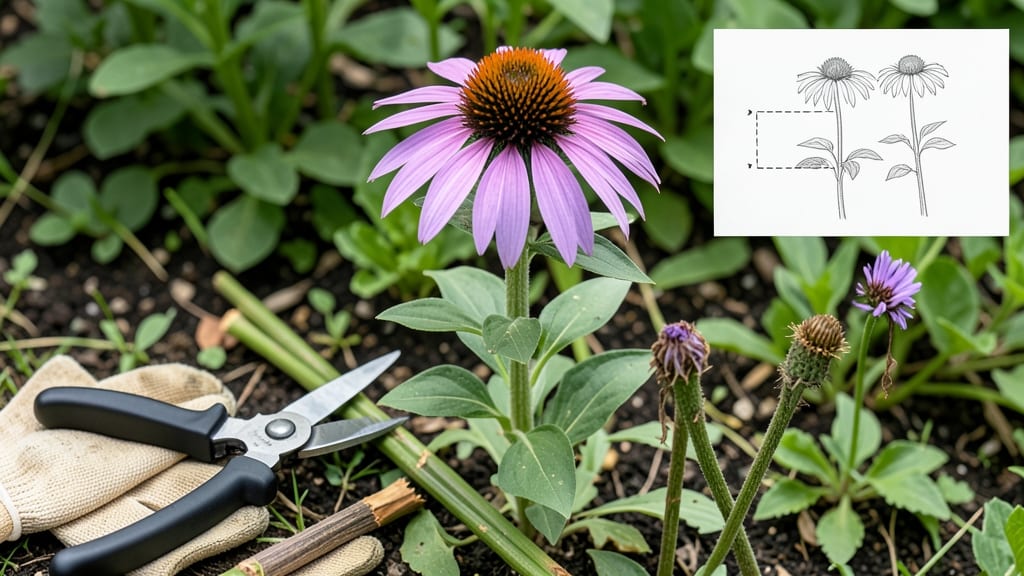
Cutting your coneflowers at the wrong time can actually weaken next year’s blooms—so timing this task is everything for those showstopping purple blooms. If you’ve ever stared at your 🌼 coneflowers in late winter, wondering whether to trim or wait, you’re not alone.
The key to vibrant growth lies in understanding the perfect moment to prune, which isn’t just about aesthetics but also supports your plant’s health and even helps local wildlife.
Most gardeners make the mistake of pruning too early, which cuts off winter food sources for birds and stresses the plant before it’s ready.
But when you time it right—just as new growth begins in late winter—you’ll encourage stronger roots, prevent disease, and set the stage for bigger, healthier blooms next season. Let’s break down the exact window and why it matters so much.
The best time to cut back coneflowers is in late winter, right before new shoots emerge, typically around February or March in most USDA Zone 6a regions. This timing gives your plants a head start on the growing season while avoiding the risks of early pruning.
Plus, you’ll learn how to prune properly—down to 6–12 inches—to keep your garden looking tidy without sacrificing next year’s beauty.
Whether you’re leaving seed heads for winter interest or removing them to encourage more blooms, this guide will help you make the right call. Ready to transform your coneflowers into a perennial powerhouse? Let’s get started.
Best late winter timing for cutting coneflowers to boost next year’s growth
Late winter is the ideal window to prune coneflowers (Echinacea) because it balances root health and new growth stimulation. Cutting too early can leave plants vulnerable to cold snaps, while waiting too long risks disease spread from old foliage.
The science-backed timing ensures your plants store energy efficiently for spring blooms.
Most gardeners target late February to early March in USDA Zone 6a (like my region), but adjust based on your last frost date. For example, in Zone 5, wait until mid-March when soil temps hover around 40°F.
This timing prevents root shock while giving plants a head start on photosynthesis.
Timing your cut 3-4 weeks before your last frost date ensures roots have time to knit back together before active growth. For example, in Zone 6a, pruning by March 1st (when my soil reaches 42°F) gives roots 6 weeks to recover before spring shoots emerge.
Late winter pruning also reduces disease pressure by removing last year’s dead foliage, which often harbors powdery mildew or rust spores. I always sterilize my pruners with rubbing alcohol (70% or higher) before cutting to prevent cross-contamination between plants.
Contrary to popular advice, never prune in fall—this removes winter food sources for birds and insects, disrupting your garden’s ecosystem balance. Instead, leave seed heads until late winter for wildlife, then remove them during your late winter clean-up.
After pruning, focus on root health by adding a 2-inch layer of compost around the base. This replenishes nutrients lost during dormancy and supports new shoot growth. I also avoid fertilizing until early spring to prevent root burn in cold soil.
For container-grown coneflowers, late winter is also the time to repot or divide overcrowded plants. Choose well-draining pots and wait until soil temps stay above 50°F before transplanting. This timing reduces transplant shock compared to spring divisions.
Regional adjustments matter: In Pacific Northwest climates, wait until early March when rainfall decreases to avoid soggy soil. Meanwhile, in Southeast regions, prune by February 15th to escape humid spring fungal outbreaks.
Watch for new growth emerging from the crown within 2-3 weeks after pruning—a sign your timing was perfect. If growth stalls, your cuts may have been too aggressive or occurred too late. Adjust next year’s schedule accordingly.
Step-by-step guide to pruning coneflowers without harming the plant
Pruning coneflowers correctly is the difference between a lush, blooming perennial and one that struggles to recover. The key is cutting back at the right height and using the proper tools to avoid damaging the root system or inviting diseases.
I’ve pruned hundreds of coneflowers, and I’ve learned that clean cuts and sanitation are just as critical as timing.
Start by gathering your tools: a pair of sharp bypass pruners (never dull shears), sterilized alcohol wipes, and a bucket for clippings. Disinfect your tools with rubbing alcohol to prevent spreading fungal spores from old stems to fresh cuts.
This step alone can save your plants from powdery mildew or other infections.
Now, here’s where most gardeners go wrong: cutting too low or too high. For coneflowers, aim to trim back the dead stems to 6–12 inches above the ground. This height ensures you remove last year’s growth while leaving enough energy in the roots to fuel new shoots.
If you cut too close, you risk damaging the crown, which can stunt next year’s blooms.
⚠️ CRITICAL MISTAKE: Pruning Too Early
Cutting coneflowers in early spring (before last frost) or late fall can shock the plant and leave it vulnerable to freeze damage. Birds also rely on seed heads for winter food—removing them too soon deprives wildlife. Wait until late winter (February–March) in most climates, or right after new shoots emerge.
Once you’ve made your cuts, decide what to do with the clippings. If your coneflowers have healthy seed heads, leave some for winter interest and wildlife. However, if the stems are diseased or moldy, dispose of them in the trash—not your compost—to avoid spreading pathogens.
For clean stems, chop them up and use them as mulch around the base of your plants.
After pruning, give your coneflowers a light layer of compost around the base to replenish nutrients lost during dormancy. Water deeply but avoid soaking the soil, as coneflowers prefer well-draining conditions. This step encourages strong root growth, setting the stage for bigger blooms next summer.
Finally, monitor your plants for new growth within 2–3 weeks. If you see fresh green shoots emerging, your timing was perfect! If not, wait another week before reassessing. With the right cuts and care, your coneflowers will reward you with vibrant purple blooms from mid-summer onward.