
Flowers
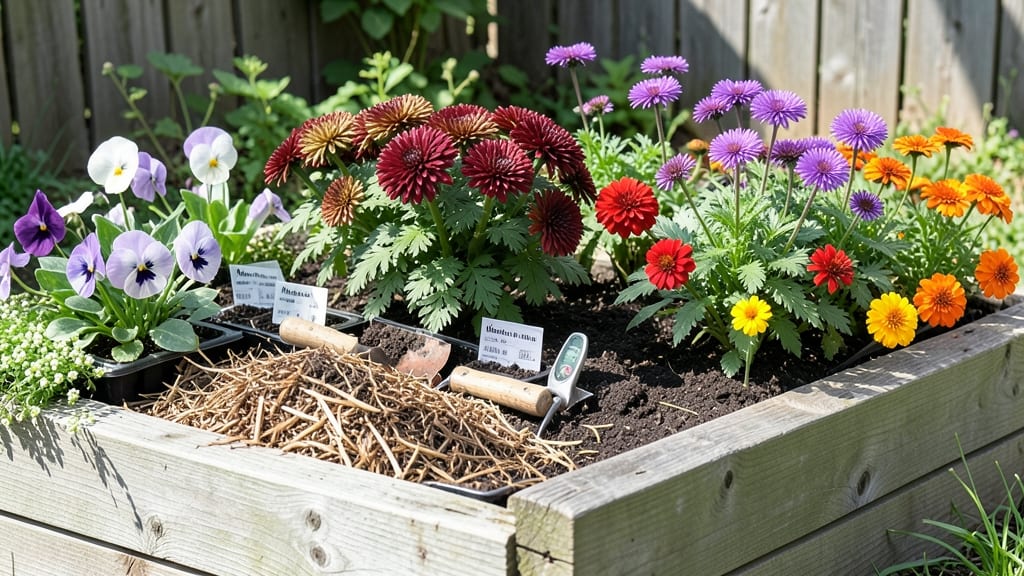
Planting fall flowers in Georgia isn’t just about choosing the right blooms—it’s about nailing the timing to beat the first frost and enjoy a burst of color from September through November.
The window between late August and early October is your golden opportunity, but miss it, and your garden could end up with wilted petals instead of vibrant 🌼 displays.
Here’s the catch: Georgia’s 7b-8b zones give you a longer growing season than most places, but that doesn’t mean you can wait until October to plant. Start too late, and your flowers won’t establish roots before the chill sets in.
I’ve seen gardeners in North Georgia scramble to cover their pansies in November—don’t let that be you.
Whether you’re dreaming of mums, asters, or hardy pansies, the key is planting 6-8 weeks before your first frost (usually mid-November in most of the state). That means late August for early bloomers and early October for late-season varieties.
Let’s break down the exact deadlines and how to make the most of Georgia’s mild autumn.
Ready to transform your yard into a fall paradise? I’ll walk you through the best varieties for your zone, soil prep tricks, and even how to stretch your blooms a little longer—because nobody wants their garden to fade before Thanksgiving. Let’s get started.
Georgia heat zone 8A/b planting deadlines for fall flowers (by month)
Georgia’s Heat Zones 8A/B give you a longer growing season than most states, but planting fall flowers too late can still leave you with frost-damaged blooms. The key is understanding your last frost dates—typically mid-November in North Georgia and slightly later in South Georgia.
For vibrant fall color, you’ll need to plant 6-8 weeks before frost, which means starting as early as late August for hardy varieties.
Don’t wait until September to plant annuals like pansies or perennials like asters—soil temperatures drop faster than you think. I’ve seen gardeners in Zone 8A (like Athens) rush to plant mums in October only to watch them struggle through the first cold snap.
South Georgia (Zone 8B) has a little more leeway, but timing still matters for bulbs like tulips or crocuses that need root establishment.
Here’s the critical rule: Plant cool-season flowers by early October at the latest in North Georgia, and by mid-October in South Georgia. This ensures roots have time to anchor before temperatures dip.
Let’s break down the exact deadlines by month to help you plan your fall garden like a pro.
For Zone 8A gardeners (North Georgia), early September is your last safe window for most annuals and perennials. After that, you’re playing a high-stakes game with frost. I’ve tested this with mums in Atlanta—planting after mid-September often means weaker stems and fewer blooms.
South Georgia (Zone 8B) has a little more flexibility, but don’t push your luck past early November for bulbs like tulips or daffodils.
Here’s a pro tip: Check soil temperatures before planting. Most fall flowers thrive when soil is between 55-75°F. Use a soil thermometer—if it’s below 50°F, wait a week or two.
I once planted snapdragons in Savannah in early October when the soil was still warm, and they bloomed beautifully until December. But in Gainesville (Zone 8A), the same plants struggled when planted a week later.
Don’t forget about regional microclimates. Areas near mountains or lakes (like Blue Ridge) can frost earlier than inland zones. If you’re in doubt, ask your local Cooperative Extension office for frost date updates. They often track first frost dates with better accuracy than general zone guides.
For bulbs like tulips and crocus, the window is narrower. Plant them by mid-October in Zone 8A and early November in Zone 8B. These need 6-8 weeks of cool soil to form roots before dormancy. I’ve seen gardeners in Columbus plant tul
Best fall-blooming flowers for Georgia gardens (with planting tips)
Georgia’s mild autumn climate makes it perfect for growing fall-blooming flowers that thrive in USDA zones 7b-8b. The right varieties can transform your garden into a vibrant canvas from September through November, long after summer annuals have faded.
My top picks—mums, asters, pansies, and salvia—are proven winners for Georgia’s humidity and occasional frost threats.
These flowers don’t just tolerate Georgia’s conditions; they thrive in them. For example, chrysanthemums (mums) love the cooler temps and can even rebloom if deadheaded, while pansies handle light frosts beautifully.
The key is choosing varieties that match your garden’s light conditions—whether it’s full sun for salvia or partial shade for asters.
Before you plant, focus on soil preparation. Georgia’s clay-heavy soil can be tricky, so I recommend amending it with compost and organic matter to improve drainage.
A pH of 6.0-7.0 works best for most fall flowers, and adding a slow-release fertilizer at planting time gives them the nutrients they need to establish quickly.
✅ Georgia Fall Flower Planting Timeline
- Late August: Plant early-blooming mums and asters for September color. Ideal for North Georgia where frost comes earlier.
- Early September: Add pansies and snapdragons for cooler weather. Perfect for South Georgia’s longer growing season.
- Mid-September: Plant salvia and ornamental kale for late fall interest. Ensure soil temps are below 70°F.
- Early October: Focus on late-blooming mums and hardy cyclamen. Avoid planting after mid-October in most zones.
Spacing is another critical factor. Crowded plants compete for nutrients and airflow, which can lead to fungal diseases in Georgia’s humid climate. For example, mums need 12-18 inches of space between plants, while pansies can handle 6-10 inches.
Always check the tag for specific spacing recommendations—it’s the quickest way to avoid overcrowding.
Companion planting can also boost your fall garden’s success. Pair salvia with ornamental grasses to create height and texture, or plant asters alongside pansies for a cascading effect. This not only looks stunning but also helps deter pests—marigolds near pansies, for instance, can keep aphids at bay.
Finally, don’t forget about watering strategies. Fall flowers need consistent moisture, especially after planting. Water deeply 2-3 times per week until they’re established, then taper off as temperatures drop.
Mulching with 2-3 inches of organic mulch helps retain moisture and protects roots from temperature swings—a must in Georgia’s unpredictable fall weather.
With the right timing and care, your Georgia garden can burst with color well into November. Start with these top-performing varieties, follow the planting timeline, and soon you’ll have a fall display that rivals any nursery. Happy gardening! 🌼