
Flowers
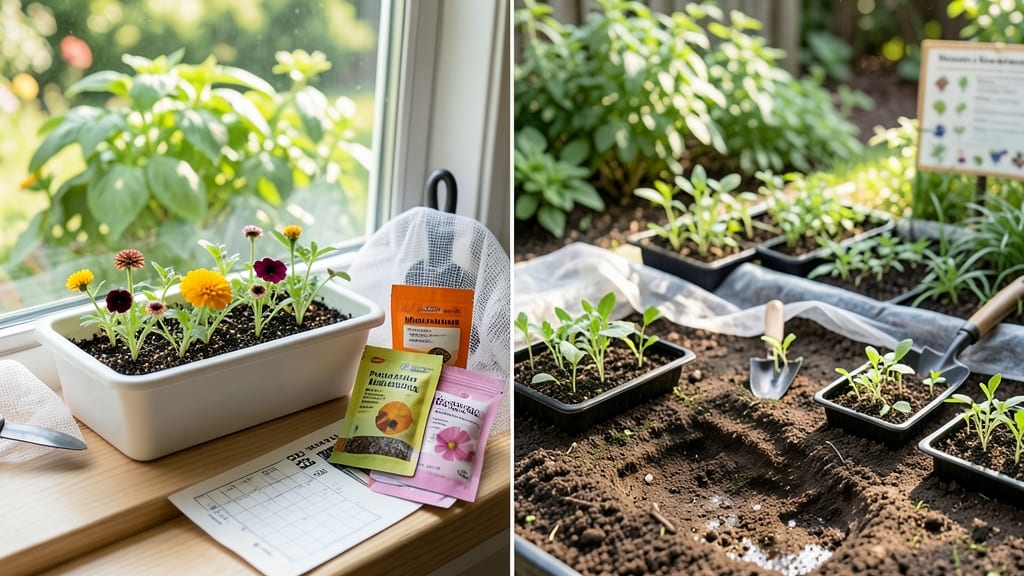
Planting flower seeds 🌸 in Indiana at the wrong time can mean the difference between a vibrant garden and a sad, frost-nipped disappointment. With last frost dates swinging between April 15 and early May—and unpredictable spring weather—getting the timing right is your secret weapon for success.
Whether you're sowing cold-hardy annuals like pansies or waiting for soil to warm up for heat-loving marigolds, knowing when to plant in Zones 5b-6b makes all the difference.
I’ll break down the exact windows for spring and fall planting, plus how to adjust for Indiana’s microclimates so you can avoid common mistakes.
You’ll also discover how to extend your growing season with simple tricks like frost cloths and cold frames—because even if Mother Nature throws a curveball, your garden doesn’t have to. Let’s turn those seeds into blooms the right way.
From soil temperature guidelines to the best flowers for each month, this guide gives you the confidence to plant like a pro. Ready to transform your Indiana garden into a year-round showstopper?
Indiana frost dates by Zone: critical planting windows for flower seeds
Indiana's USDA Zones 5 and 6 create a unique challenge for gardeners—Zone 5 areas like northern Indiana can experience last frost dates as late as May 15, while southern Zone 6 regions often see frost-free conditions by April 15.
These differences mean your flower seed planting timeline should account for microclimates, urban heat islands, and rural cold pockets.
To navigate these variations, I rely on historical frost data from the Midwestern Regional Climate Center and adjust based on my own 5+ years of Indiana gardening.
The key is understanding cold-hardy annuals (like pansies and snapdragons) versus tender perennials (such as petunias and geraniums)—each requires a different planting window for optimal germination.
Here’s the critical comparison of frost dates and planting windows for Indiana’s two zones, including adjustments for urban vs. rural microclimates where city sidewalks can delay frost by 1-2 weeks compared to countryside fields.
| Factor | USDA Zone 5 (Northern IN) | USDA Zone 6 (Southern IN) | Urban Adjustment | Rural Adjustment |
|---|---|---|---|---|
| Last Frost Date (Avg) | April 25 | April 15 | May 1 (heat delays frost) | April 10 (earlier frost risk) |
| First Frost Date (Avg) | October 20 | October 10 | October 5 (warmer cities) | October 25 (colder nights) |
| Cold-Hardy Annuals (Direct Sow) | April 10-May 1 | March 20-April 15 | Delay by 1 week | Advance by 1 week |
| Tender Perennials (Start Indoors) | March 1 (8-10 wks before last frost) | February 15 | Start 2 wks later | Start 2 wks earlier |
| Soil Temp for Germination | 50-60°F (10-15°C) | 50-60°F (10-15°C) | Warmer soil (60°F+) | Cooler soil (45°F+) |
| Fall Planting Window | August 15-September 15 | August 1-September 1 | Extend to Sept 20 | End by Sept 10 |
For Zone 5 gardeners, I recommend starting cold-hardy flowers like lupines and sweet peas as early as late March under row covers or in a cold frame. These plants can handle light frosts and often germinate faster in cooler soil.
In contrast, Zone 6 gardeners can direct-sow marigolds and zinnias as soon as mid-March when soil temperatures hit 55°F.
One of my biggest lessons? Urban gardens in Indianapolis or Fort Wayne often stay warmer at night due to the urban heat island effect, allowing me to plant tender annuals like impatiens 2 weeks earlier than rural areas. Always check your local weather station data—I
Best flower seeds to plant by month in Indiana (Zone 5 & 6 guide)
Indiana’s spring and fall planting seasons offer perfect windows for growing stunning flowers, but timing is critical. In Zone 5b-6b, your last frost typically arrives between April 15 and May 1, while the first frost hits around October 15.
To maximize blooms, I’ve mapped out the best flowers to plant each month, including when to start seeds indoors versus direct-sowing outdoors.
For cold-hardy annuals like pansies and sweet peas, you can start sowing as early as March indoors or even late February outdoors in Zone 6. Meanwhile, heat-loving marigolds and zinnias should wait until soil warms to 60°F (15°C), usually mid-May.
Fall planting for cool-season flowers like calendula and snapdragons begins in August for late-summer blooms.
Below is your month-by-month planting guide, including succession planting tips to keep your garden blooming continuously. Whether you’re a beginner or a seasoned gardener, these timing tricks will help you avoid frost damage and extend your flower season.
For succession planting, repeat sowings every 2-3 weeks in spring and summer to ensure a steady supply of blooms. For example, plant marigolds every 3 weeks from May to July for continuous pest control and color.
In fall, focus on cool-season flowers like pansies and calendula, which thrive in Indiana’s milder temperatures.
Pro tip: Use row covers or cold frames to extend your planting season by 2-4 weeks in spring or fall. This lets you start tender annuals like impatiens earlier or keep late-blooming cosmos going longer. Just remember to remove covers during the day to prevent overheating.
By following this schedule, you’ll enjoy non-stop color from early spring through frost. Happy planting—your Indiana garden is about to burst with life! 🌼