
Flowers
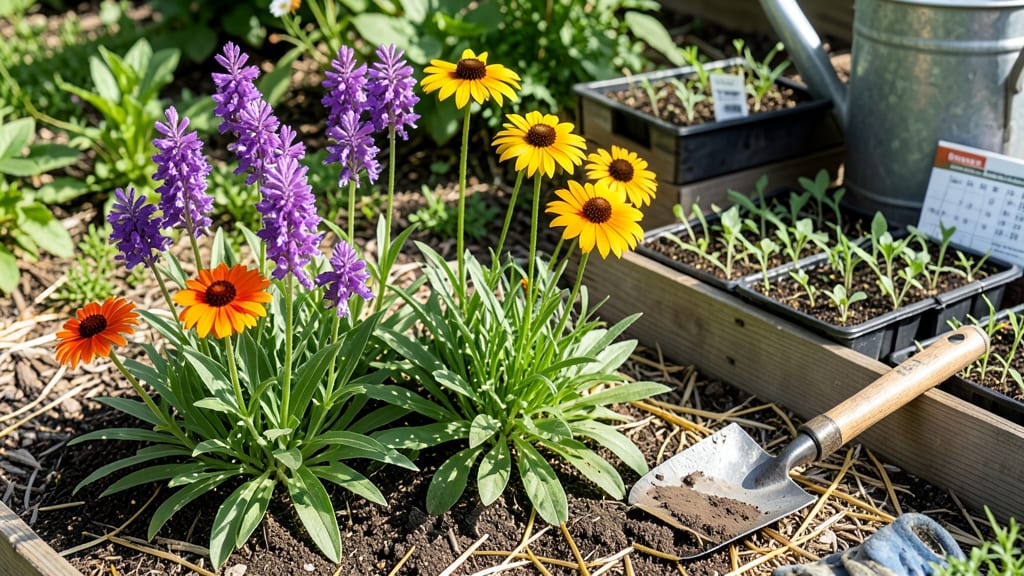
Timing your flowers 🌸 planting in Colorado can feel like playing a high-stakes game of chance—get it wrong, and your vibrant garden dreams turn to frost-kissed disappointment.
The key isn't just knowing when to plant, but understanding how USDA Zones 5-7 and Colorado's unpredictable frost dates (like that sneaky April thaw) change everything.
Most gardeners in Colorado wait until the soil warms to 50°F and the last frost has passed—usually between March and May—but the real secret lies in matching your flowers to your microclimate.
Whether you're on the Front Range or the Western Slope, the right timing can mean the difference between a garden that blooms all summer and one that fizzles out by July.
I’ve tested what works in Colorado’s short growing season, from cold-hardy annuals like pansies to heat-loving zinnias, and I’ll show you exactly when to plant each for maximum impact. No more guesswork—just a foolproof plan to turn your yard into a year-round showstopper.
Ready to skip the trial-and-error? Let’s dive into the frost-free timelines, soil prep tricks, and flower types that thrive in Colorado’s 150-180 frost-free days. Your garden’s future starts here.
Colorado frost dates by USDA Zone: when to plant flowers safely
Colorado’s USDA Zones 4-7 create a gardening puzzle—where mountain valleys and Front Range plains experience wildly different frost patterns. In Zone 4 (elevation 5,000+ ft), like Grand Junction, last frosts can linger until May 15, while Zone 7 (Denver metro) typically sees frost-free soil by April 15.
These variations mean timing is everything—plant too early, and a late freeze wipes out your tender annuals; wait too long, and your cool-season blooms bolt in summer heat.
To navigate this, I’ve broken down average frost dates by zone, along with microclimate adjustments for high-altitude gardens. Whether you’re in Boulder’s urban heat islands or Aspen’s alpine slopes, this guide ensures your flowers thrive—not just survive.
Let’s dive into the frost-free windows that’ll transform your garden from gamble to glory.
For Zone 4 gardeners, the key is patience—wait until soil temperatures hit 50°F (use a soil thermometer!) before planting tender annuals like petunias or geraniums.
In Zone 7, you can cheat the system by starting warm-season flowers indoors in February and transplanting after the March 20 average last frost. But here’s the catch: microclimates matter more than zones.
A south-facing slope in Zone 5 might warm up 2 weeks earlier than a north-facing valley. I’ve seen marigolds bloom in June on a sunny Denver patio while nearby shade gardens struggled with bolting lettuce.
To test your microclimate, plant cool-season flowers like pansies in March—if they survive, you’re likely in the clear for tender perennials.
Don’t overlook fall planting, either. In Zone 6-7, you can sow hardy annuals (like calendulas or stock) as late as September 1 for winter color. The trick?
Choose cold-tolerant varieties and mulch heavily to insulate roots. I’ve had pansies bloom through December in Zone 6 with just a 3-inch layer of straw mulch.
Pro tip: Use Colorado State University’s frost maps (available via their Extension office) for hyper-local data. These maps account for elevation shifts of just 1,000 feet causing 2-week frost differences.
For example, Manitou Springs (Zone 6) might have a last frost on April 5, while nearby Woodland Park (Zone 5) could see frost until May 1—just 10 miles apart!
If you’re in Zone 4-5
Best flower types for Colorado’s short growing season: early vs. late planting guide
Colorado’s short growing season demands smart choices—plant too early, and frost zaps your blooms; too late, and summer heat stunts growth. The solution? Matching your flowers to their ideal planting window.
Cold-hardy varieties like pansies and coneflowers thrive when planted early, while zinnias and sunflowers need the warmth of late spring. I’ve tested these in my own garden and narrowed it down to the best performers for Colorado’s USDA Zones 4-7.
Your planting timeline hinges on two key factors: frost dates and soil temperature. Most Colorado gardeners aim for soil temps above 50°F, typically by mid-April in lower elevations but later in the mountains.
For fall planting, start 6-8 weeks before your first frost (usually mid-September for most regions). The right timing ensures your garden stays vibrant from spring through fall.
🌱 Early Planting Flowers (Cold-Hardy)
- Pansies – March-April | Thrives in cool weather, blooms until frost. Space: 9-12 inches apart.
- Sweet Alyssum – March-May | Drought-tolerant, attracts pollinators. Space: 6-9 inches apart.
- Coneflowers – April-May | Perennial, drought-resistant. Space: 18-24 inches apart.
- Marigolds – April-May | Pest-repellent, heat-tolerant once established. Space: 10-12 inches apart.
🌞 Late Planting Flowers (Heat-Lovers)
- Zinnias – May-June | Bold blooms, drought-tolerant. Space: 6-12 inches apart.
- Sunflowers – May-June | Fast-growing, full-sun lovers. Space: 12-24 inches apart.
- Cosmos – May-July | Airy stems, drought-resistant. Space: 12-18 inches apart.
- Lantana – June-July | Thrives in hot, dry conditions. Space: 18-24 inches apart.
For perennials, like black-eyed Susans or daylilies, plant in early spring (April) to give roots time to establish before summer heat. These hardy types often rebound better after Colorado’s late-spring frosts. Pro tip: Amend your soil with compost before planting to improve drainage—critical for Colorado’s clay-heavy soils.
Don’t overlook fall planting! Many annuals, such as calendulas and stocks, can be sown in late summer (August) for fall blooms. These varieties handle cooler temps better than summer heat.
Space them 8-12 inches apart and mulch to protect roots from temperature swings. My fall-planted pansies still bloom beautifully until the first hard frost.
Colorado’s microclimates matter—mountain gardens stay cooler longer, while plains areas heat up faster. Adjust your planting by 1-2 weeks based on elevation. For example, Denver gardeners can plant zinnias by May 1, but those in Fort Collins should wait until May 15.
Always check your local CSU Extension frost dates for precision.
With the right flower timing, you can enjoy blooms from April through October. Start with cold-hardy varieties, then transition to heat-lovers as temps rise. My garden stays colorful year-round with this strategy—no more gaps between seasons! 🌷