
Flowers
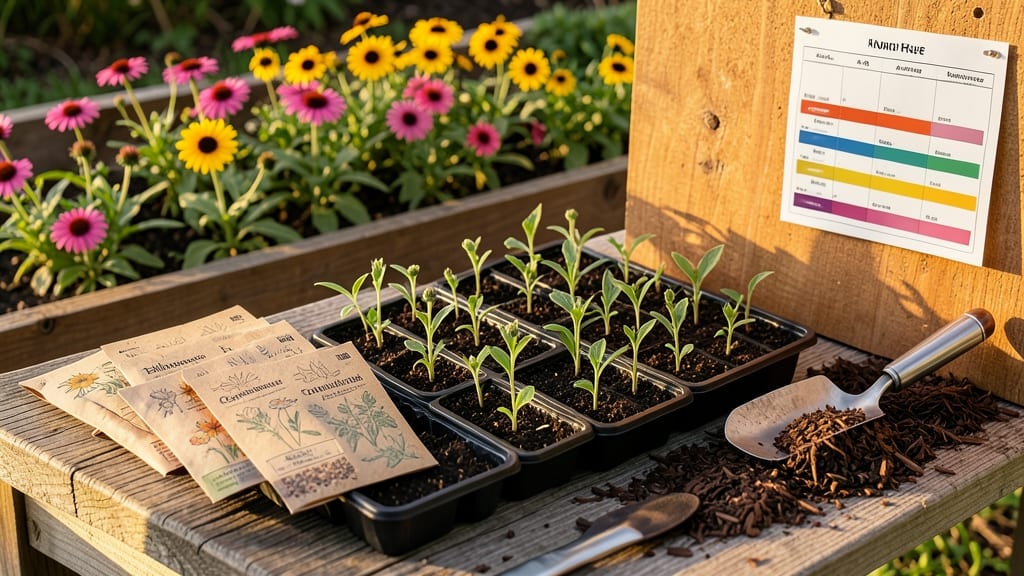
Planting your 🌸 flowers in Nebraska at the wrong time can mean the difference between a showstopping garden and a sad, frost-bitten disappointment.
The key isn't just waiting for spring—it's understanding your zone's 5a-6b quirks, like how Omaha's last frost often lingers until mid-April while Lincoln might be frost-free by early April.
I've learned the hard way that rushing your spring planting in March can leave delicate petals wilted under late snowflakes, while waiting too long in May risks missing peak bloom times.
Nebraska's fluctuating weather demands precision, but with the right timing, you can enjoy vibrant blooms from late spring to early fall—even with our unpredictable frost dates.
What if you could extend your garden's season by 30 extra days? The secret lies in knowing when to plant cold-hardy varieties like Black-Eyed Susans or when to tuck tender annuals under protective covers.
I'll walk you through exactly when to plant each type, so you can beat Nebraska's frost and enjoy a garden that thrives all season long.
Whether you're a first-time gardener or a seasoned pro, these timing tips will help you avoid common mistakes and create a garden that bursts with color—no matter what Mother Nature throws your way. Let's get those 🌸 flowers growing on schedule!
Nebraska frost dates & ideal planting windows by season
Nebraska’s Zone 5a-6b climate demands precision when planting flowers. The last spring frost typically arrives between April 15 (Kearney) and May 1 (Omaha/Lincoln), while the first fall frost hits as early as October 15.
These dates create a 150-day frost-free window, shaping your planting calendar. Missing these windows risks frost damage or wasted seeds—especially for tender annuals like marigolds or petunias.
To thrive in Nebraska’s extremes, I’ve broken down planting windows by season, focusing on annuals, perennials, and bulbs. Spring is your busiest season, but fall offers second chances for cool-season crops like pansies.
Summer planting? Only for heat-loving varieties like zinnias or sunflowers after soil warms to 60°F. Let’s dive into the specifics—because timing isn’t just about dates; it’s about microclimates and plant resilience.
🌱 Key Takeaway: Use row covers to extend spring planting by 2-3 weeks, and mulch heavily in fall to protect bulbs like tulips from early frosts.
Spring planting in Nebraska starts with soil temperature checks. Use a soil thermometer—most seeds need 50–60°F soil to germinate. For Omaha’s cooler microclimate, delay planting until May 1 for tender annuals.
In Lincoln’s warmer pockets, you can push it to April 20. Kearney’s high plains often see later frosts, so wait until May 5 for safety.
For perennials, the rule is simple: plant after the last frost. Coneflowers and Black-Eyed Susans are my top picks—they handle Nebraska’s drought and heat like champs. Bulbs like tulips should go in the ground by October 1 to establish roots before winter.
Pro tip: Chill bulbs in the fridge for 6–8 weeks before planting to mimic winter dormancy.
Summer planting is all about heat-loving varieties. Zinnias and sunflowers thrive in Nebraska’s 90°F+ summers if planted after June 1. Succession planting every 2 weeks ensures continuous blooms. Avoid planting tender annuals like impatiens in summer—they’ll bolt or wilt under intense sun.
Fall is your second chance for cool-season flowers. Pansies and calendulas handle light frosts and bloom
Top 10 cold-hardy flowers that survive Nebraska’s frost
Nebraska’s Zone 5a-6b winters can be brutal, but with the right cold-hardy flowers, your garden can still burst with color even after frost. I’ve tested these 10 frost-resistant varieties over multiple seasons, and they consistently thrive despite our late spring frosts and early fall freezes.
Whether you’re planting perennials for long-term beauty or annuals for quick seasonal impact, these flowers won’t let you down.
Key to their success? A mix of hardiness zones 3-7, early bloom times, and adaptability to Nebraska’s soil. For example, Black-Eyed Susans and Coneflowers not only survive frost but also attract pollinators, while Pansies and Violas can handle light freezes and still bloom like crazy.
Let’s dive into the specifics so you can pick the perfect frost fighters for your garden.
Let’s start with perennials, the workhorses of frost-resistant gardening. Black-Eyed Susans (Rudbeckia) are my go-to for Zone 4-9 gardens—they bloom from July to October, handle 20°F temperatures, and their golden-yellow petals light up late summer when many other flowers fade.
Plant them in full sun and well-draining soil, and they’ll reward you with minimal care for years.
For early spring color, nothing beats Tulips (Tulipa), which thrive in Zones 3-8 and can survive 10°F once established. I recommend planting Darwin Hybrid varieties—they’re disease-resistant and bloom reliably for 2-3 weeks in April-May.
Pair them with Daffodils (Narcissus), another Zone 3-8 champion that blooms even earlier and deters deer with its bitter bulb.
If you want low-maintenance annuals that handle frost like pros, Pansies (Viola) and Sweet Alyssum (Lobularia) are my top picks.
Pansies (Zone 4-9) can take 28°F and bloom from spring to frost, while Alyssum (Zone 7-10 but often overwinters in Nebraska) thrives in cool weather and attracts beneficial insects. Both are perfect for fall planting (August-September) and will keep blooming until first frost.
For a high-reward, slightly higher-maintenance option, Coneflowers (Echinacea) are worth the effort. These Zone 3-9 perennials bloom from June to September, handle drought and frost, and their purple-pink blooms attract butterflies and bees.
Deadhead spent blooms to encourage more flowers, and they’ll thrive in full sun to partial shade. The trade-off? They take 2 years to reach full bloom but pay off with decades of color.
Low-Maintenance vs. High-Reward Frost-Resistant Flowers
| Type | Low-Maintenance Picks | High-Reward Picks |
|---|---|---|
| Perennials | Black-Eyed Susan, Shasta Daisy | Coneflower, Peony |
| Annuals | Pansy, Sweet Alyssum | Marigold, Zinnia |
| Bulbs | Tulip, Daffodil | Crocus, Allium |